


Universities Unite on Curriculum Reform: Less Repetition, More Practical Training
- CoHE President Özvar’s call to reform university curricula resonates with academics and students
- Academics call for higher educational quality, while students seek a lighter course load and more hands-on learning
October 25, 2026
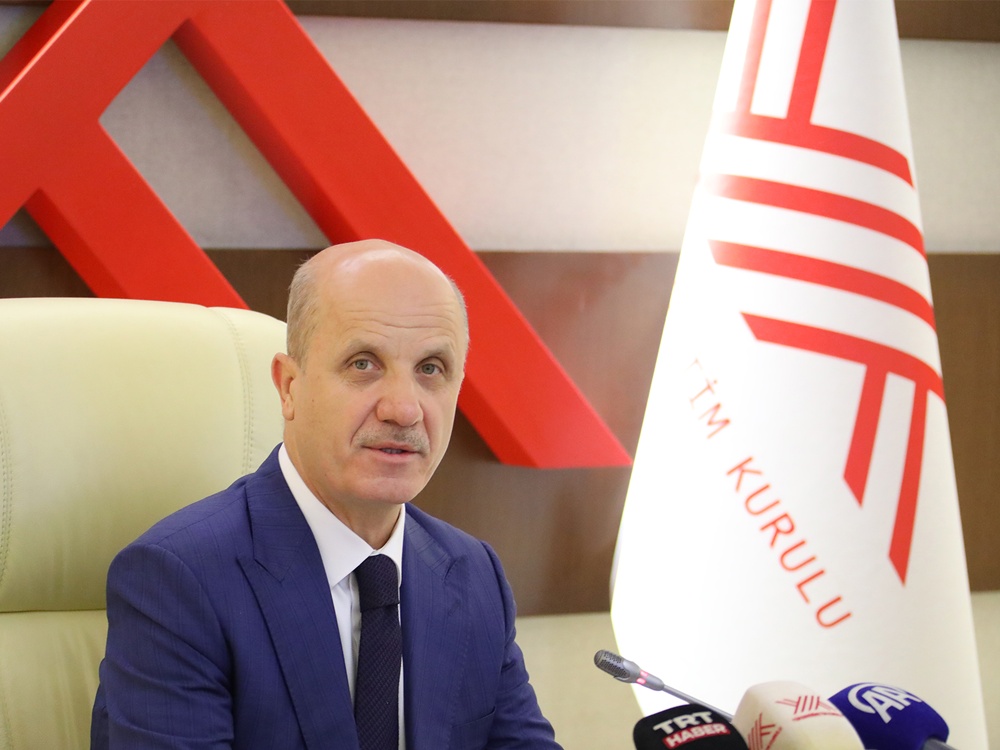
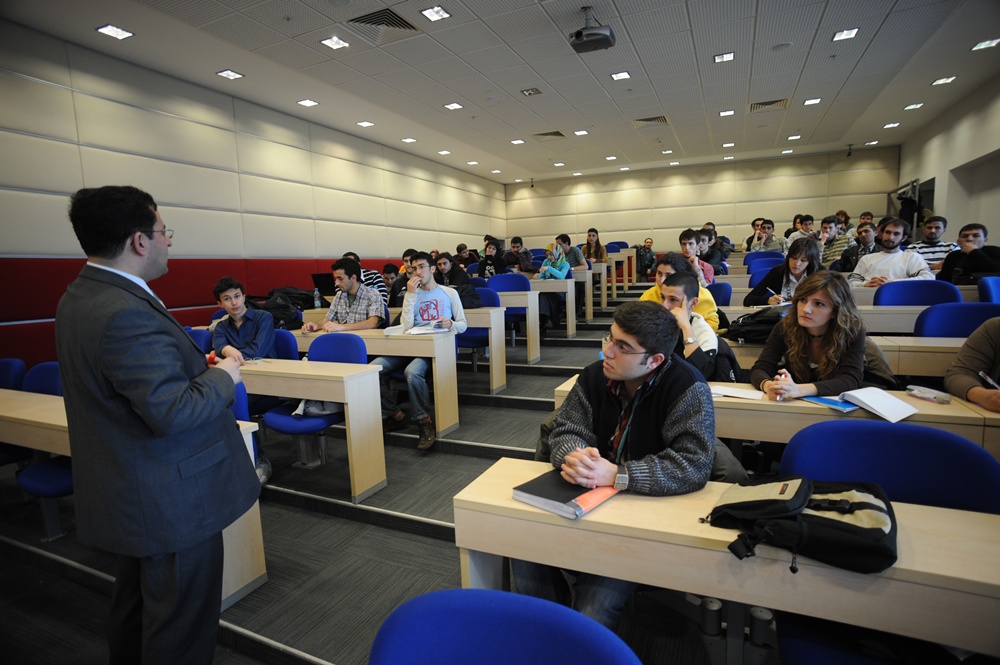
Council of Higher Education (CoHE) President Erol Özvar’s call to review the number of courses and university curricula has resonated with academics and students. While academics emphasized the need to focus on educational quality rather than the number of courses, students called for reducing repetitive content, allocating more time to research and projects, and expanding practical training.
Özvar had stated that the number of courses and credit requirements in undergraduate programs needed to be reassessed and that overlapping content across different courses should be reviewed. “Türkiye must comply with the standards of the European Higher Education Area (EHEA). If we are requiring undergraduate students to take twice as many courses as the average student there, we need to reconsider this,” he said.
Prof. Gürcü Koç, a faculty member in the Department of Curriculum and Instruction at Gazi University’s Faculty of Education, said streamlining curricula was important for improving the quality of higher education. Noting that the number of courses alone did not determine the quality of learning, Koç said, “Improving the quality of higher education does not mean giving students an excessive amount of information.”
Koç emphasized the need to develop students’ ability to retain knowledge, establish connections between concepts and think independently. She called for the streamlining process to be based on scientific criteria, recommending the establishment of committees that include experts in the relevant disciplines, assessment and evaluation, and curriculum development. She also proposed gathering feedback from students, graduates and employers.
- “When there are too many courses, students focus on exams”
Prof. Gülgün Alpan, Head of the Department of Curriculum and Instruction at Gazi University’s Faculty of Education, said curriculum streamlining should be approached as a comprehensive curriculum design process.
Noting that heavy course loads lead students to focus more on preparing for exams than on learning, Alpan said, “When there are too many courses, students focus on exams.” She added that combining overlapping topics across different courses would give students more time to devote to scientific research and projects.
Prof. Eda Gürlen, a faculty member in the Department of Curriculum and Instruction at Hacettepe University’s Faculty of Education, said streamlining courses would contribute to meaningful and lasting learning. She explained that students had reported struggling to find time to develop themselves in other areas because of their heavy course loads. “Studying less information in greater depth is very important to us,” Gürlen said.
She recommended revising repetitive course content, enabling teacher candidates to observe school environments earlier in their studies, and increasing the emphasis on practical training. “Rather than focusing on the number of courses, we should prioritize quality,” she said.
Dr. Zeynep Şen, a faculty member at the same faculty, also warned that having too many fragmented courses could lead to superficial learning. “We would therefore prefer fewer courses with deeper content and a greater emphasis on practical application,” she said, adding that this would create more time for students to participate in research and projects.
Assoc. Prof. Pınar Özdemir Şimşek, also from Hacettepe University’s Faculty of Education, noted that intensive course schedules could negatively affect students’ attention and interest in learning. “Students are constantly switching between subjects and cannot focus,” she said, emphasizing the need to allocate more time to teaching methods based on research and inquiry. “Covering fewer topics in greater depth would be much more effective,” Şimşek said, stressing that the focus should be on the depth of learning rather than the number of courses.
“Repetitive content undermines our motivation”
Students also said that heavy course schedules left them with insufficient time for research, projects and extracurricular activities.
İsmail Erdem, a third-year student in Classroom Teaching at Hacettepe University, said he took 13 courses a week and that the workload made it difficult to pursue scientific studies. Noting that some courses covered the same topics repeatedly, Erdem called for teaching practicums to begin earlier in students’ studies.
Yağmur İrem Aksoy, a student in Psychological Counseling and Guidance at Hacettepe University, said students took 11 courses a week and struggled to find time for student organizations and cultural activities. She noted that repetitive course content reduced their motivation, adding, “It also undermines our motivation.”
Ezgi Işılalp, a fourth-year student in Early Childhood Education at Hacettepe University, said the heavy workload of courses and assignments made it harder to prepare for professional practice.
- Engineering students call for more hands-on training
Muhammed Emin Yozgat, a fourth-year Computer Engineering student at Gazi University’s Faculty of Engineering, emphasized the importance of applying knowledge acquired at university to real-world situations as part of preparing for professional life. Noting that some courses covered similar content, Yozgat said greater emphasis on practical training would make the transition into the workforce easier. Gülşen İrem Erol, a third-year Energy Systems Engineering student at Gazi University, said she took approximately 13 courses a week. “Both my projects and my social life are suffering,” she said. Noting that some topics covered in previous years were being taught again, Erol called for similar course content to be consolidated and more time to be allocated to hands-on learning.
Images


Images