


Japanese Archaeologist Prof. Sachihiro Omura Honored in Kaman for His Lifelong Contributions to Anatolian Archaeology
- CoHE President Özvar: “We will always remember with gratitude Prof. Omura’s contributions to Anatolia and Turkish-Japanese friendship”
- “The Kaman-Kalehöyük excavations shed light on thousands of years of settlement history in Central Anatolia”
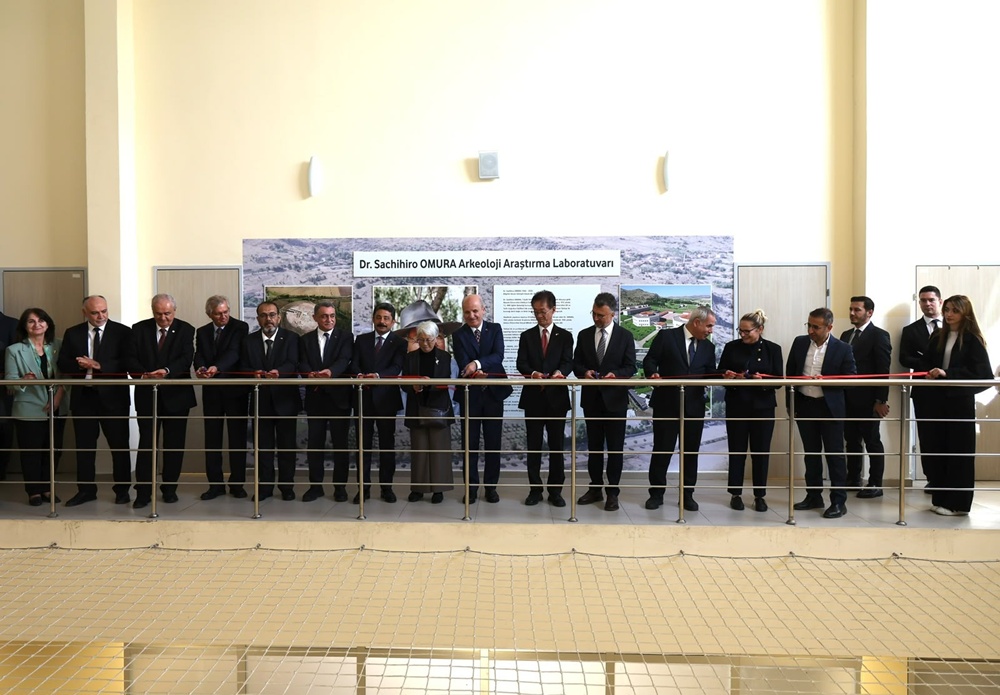
- Prof. Sachihiro Omura Archaeology Research Laboratory inaugurated
November 3, 2026
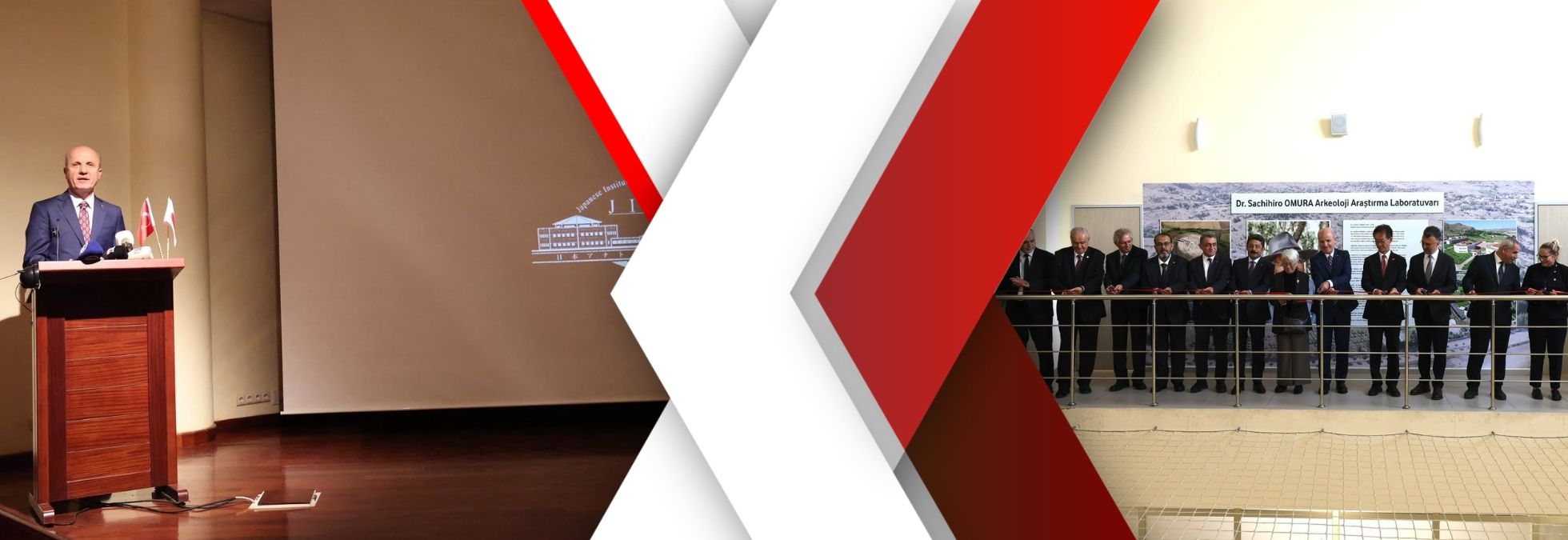
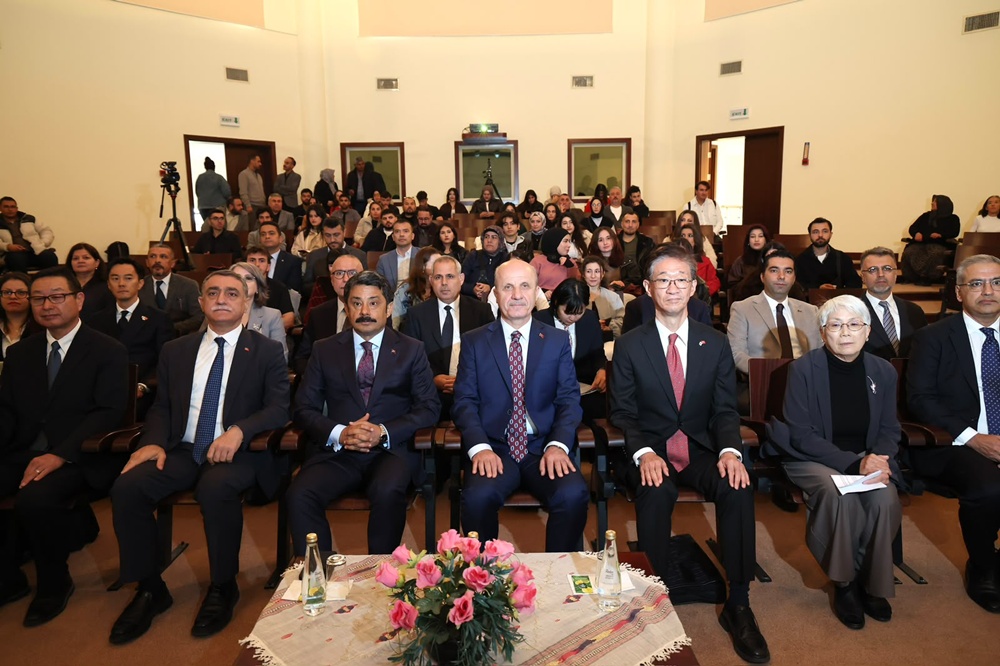
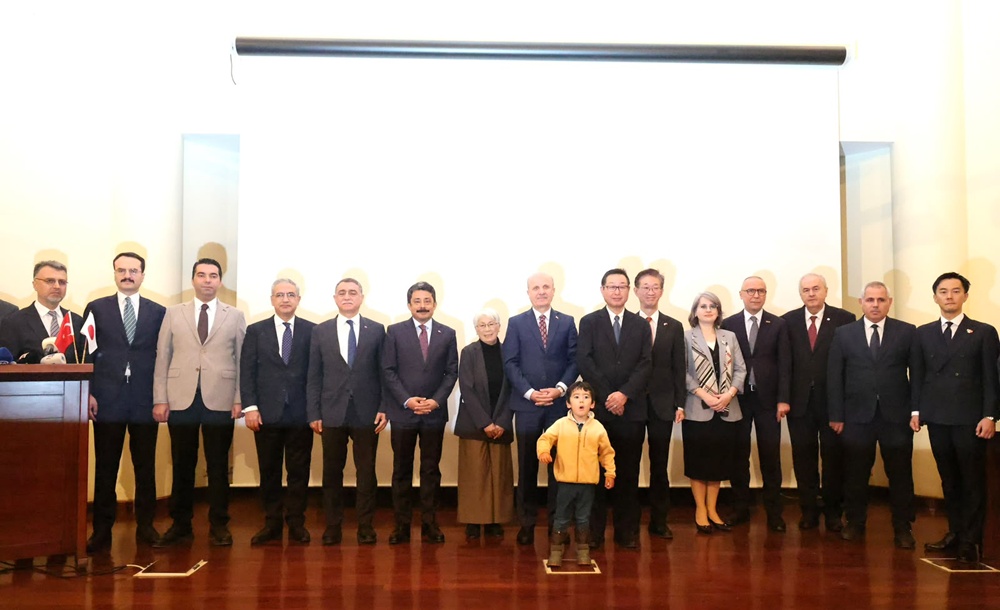
Erol Özvar, President of the Council of Higher Education (CoHE), attended a memorial ceremony in Kaman, a district of Kırşehir, honoring Japanese scientist Prof. Sachihiro Omura, who devoted nearly 50 years of his life to researching the history of Anatolia.
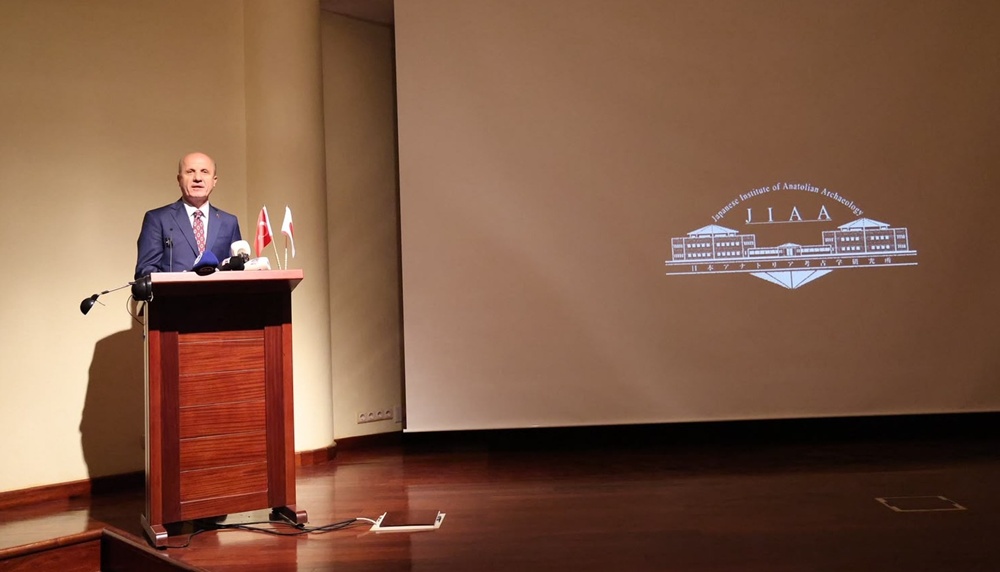
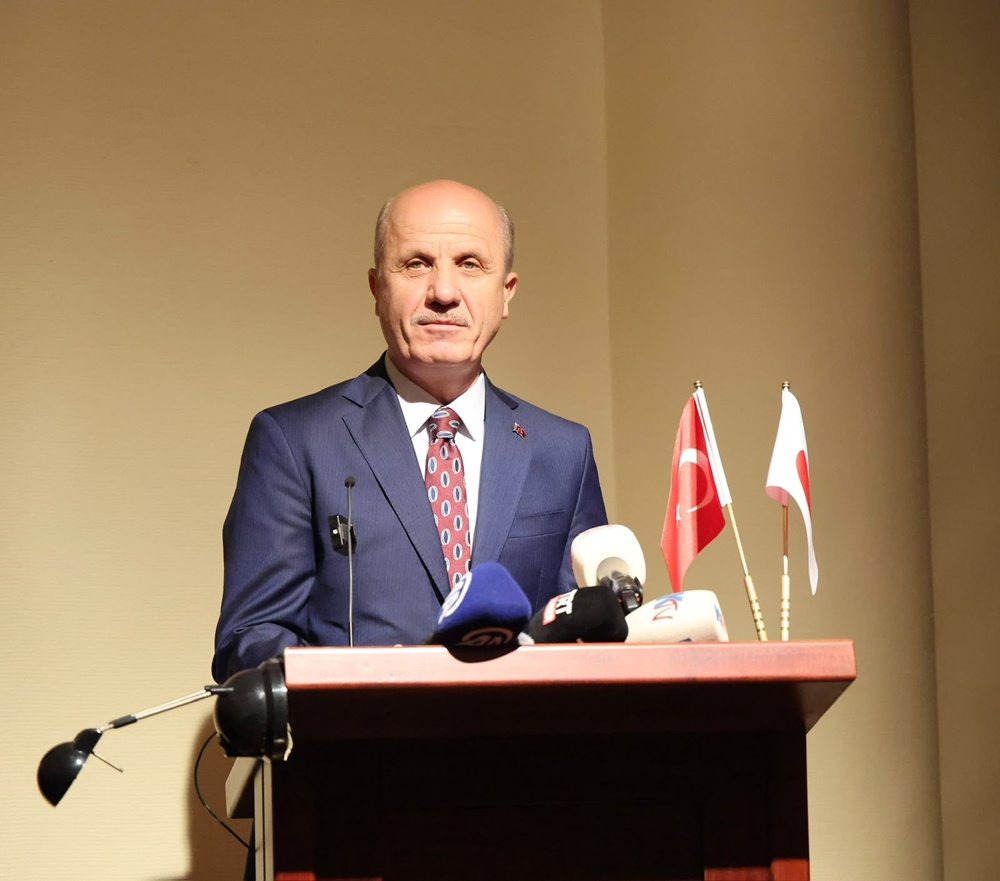
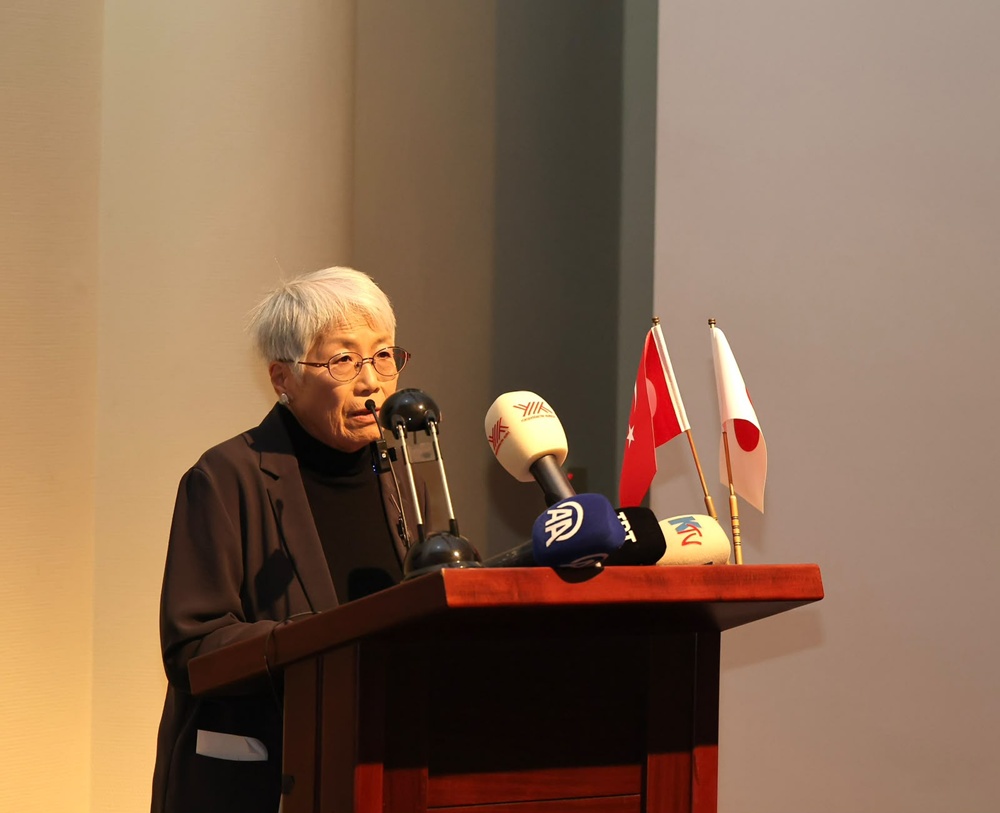
Speaking at the ceremony held at the Japanese Institute of Anatolian Archaeology, Özvar extended his condolences to Omura’s family, loved ones, colleagues, and students, and paid tribute to the scientist, who passed away last year, with respect and gratitude.
Recalling that Omura had come to Türkiye from Japan in the early 1970s as a young researcher, Özvar said his scientific work in Central Anatolia presented an exemplary portrait of a dedicated scholar. Özvar, who had the opportunity to meet Omura approximately five years ago, said that his modest, sincere, and inquisitive personality had left a strong impression on him. He noted that the findings uncovered during the Kaman-Kalehöyük excavations, which Omura launched in 1986, shed light on the settlement history of Central Anatolia and significantly enriched knowledge of the Bronze and Iron Ages in particular.
Pointing out that the work was the product of a collective scientific effort, Özvar stated that, under Omura’s leadership, Turkish and Japanese archaeologists, researchers, students, and excavation workers had worked together for many years.
- Özvar and Omura Had Met in Kaman
Özvar recalled that during a visit to Kaman in 2022 with Prof. Vatan Karakaya, then Rector of Kırşehir Ahi Evran University, he had met Omura and observed the archaeological work at Kalehöyük firsthand, receiving information about the artifacts unearthed during the excavations. At a later date, Özvar had also received Omura and Deniz Erbişim, Secretary-General of the Japanese Institute of Anatolian Archaeology, during their visit to CoHE.
“An Entrepreneurial Scientist”
Özvar explained that, in addition to his scientific work, Omura had spearheaded the establishment of the Japanese Institute of Anatolian Archaeology in 1998 and made great efforts to ensure the institution could continue its activities.
Noting that Omura had worked tirelessly with his wife and students to secure the resources needed by the institute and had held meetings with various institutions and scientists in Japan, Özvar said, “In this respect, he truly stands before us not only as a scientist but also, so to speak, as an entrepreneurial scientist.” Drawing attention to Omura’s efforts to sustain scientific institutions and pass them on to future generations, Özvar emphasized that he had set an example for both Japanese and Turkish young people in this regard.
Özvar noted that the institute, which is affiliated with the Japan Middle East Culture Center and operates with the support of the Japanese government, had become an important research center. He expressed his belief that it would continue to train new generations of scientists.
- Turkish-Japanese Friendship Strengthened Through Science
Stating that Omura’s contributions to Türkiye extended beyond archaeology, Özvar said that he had worked side by side with Turkish scientists and built close friendships with the people of Kaman.
“The scientific cooperation that developed under his leadership and the Japanese Institute of Anatolian Archaeology, which continues its activities here today, are among the finest and most lasting achievements of Turkish-Japanese friendship,” Özvar said. Pointing to the growing partnerships between the two countries in science, technology, and higher education, he noted that the Turkish-Japanese University of Science and Technology, which welcomed its first students this year, would bring together the scientific knowledge and research experience of both countries.
Özvar said he believed the university would add new strength and momentum to bilateral relations through the qualified human resources it would educate and its joint research activities. He also expressed Türkiye’s desire to further strengthen ties between universities and scientists in the two countries.
- Ambassador Tamura: “The Institute Is an Academic Institution Unlike Any Other in Türkiye”
Japanese Ambassador to Ankara Tamura Masami stated that the Japanese Institute of Anatolian Archaeology was an academic institution unlike any other among foreign archaeological excavation projects in Türkiye, bringing together excavation, conservation, research, and exhibition activities.
Kırşehir Governor Murat Sefa Demiryürek emphasized the importance of enabling young people to learn about excavation work firsthand, develop research skills, and receive training alongside Turkish and Japanese academics.
Prof. Omura’s wife, Masako Omura, stated that it had been very important to her husband for young people from Türkiye and Japan to work together in Anatolia, achieve new successes, and build the future together.
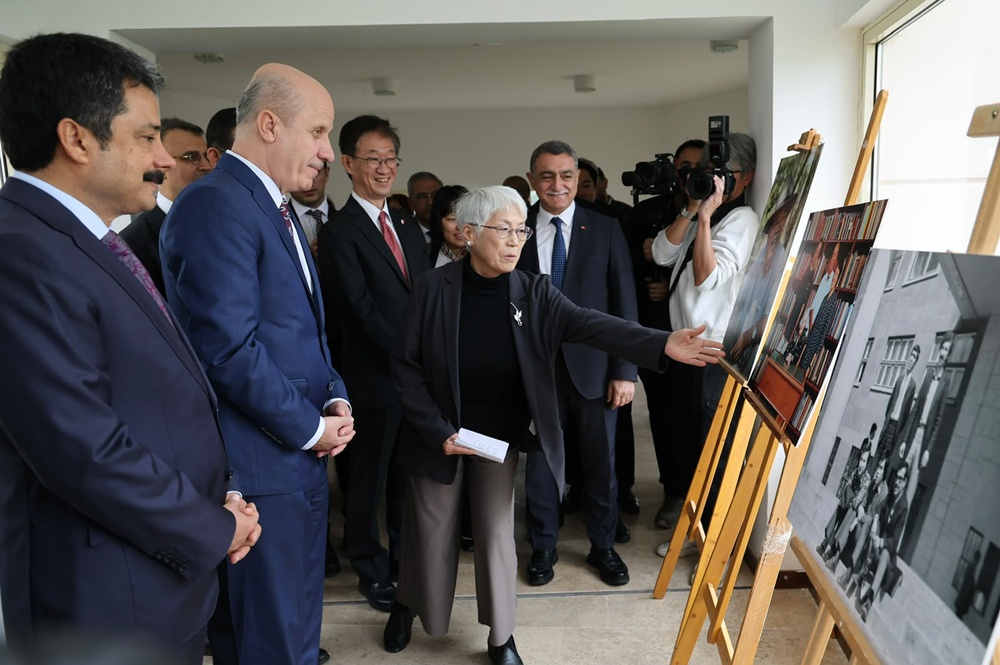
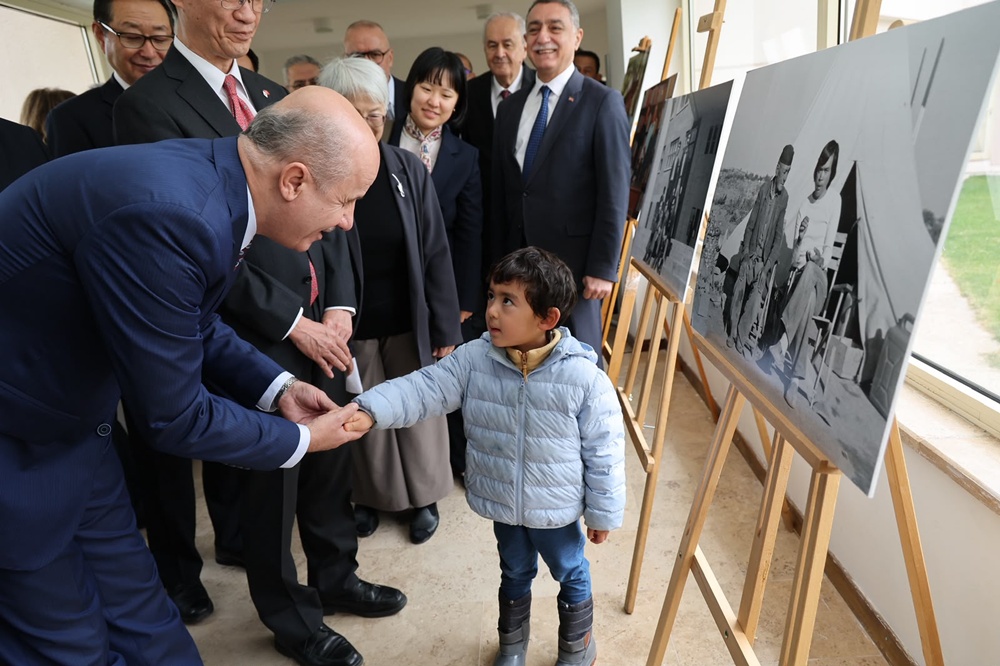
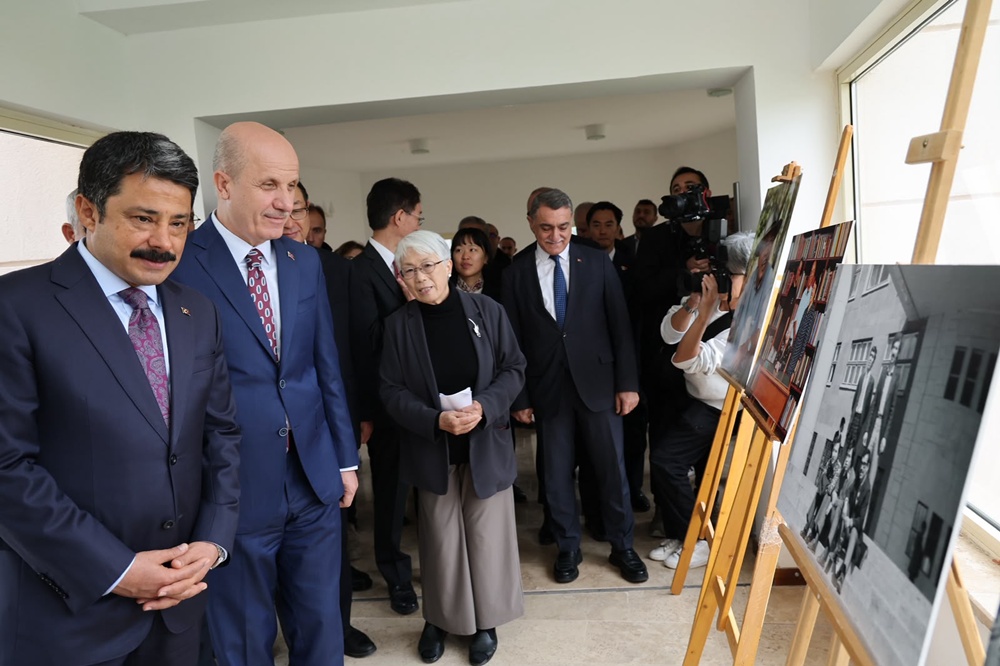
A photography exhibition showcasing Omura’s work at the Kaman-Kalehöyük excavations and his scientific career was opened at the ceremony venue. Özvar toured the exhibition with Masako Omura and Ambassador Tamura. The short documentary A Lifetime in Anatolian Soil: Dr. Sachihiro Omura and the Kaman Excavations was also screened during the ceremony.
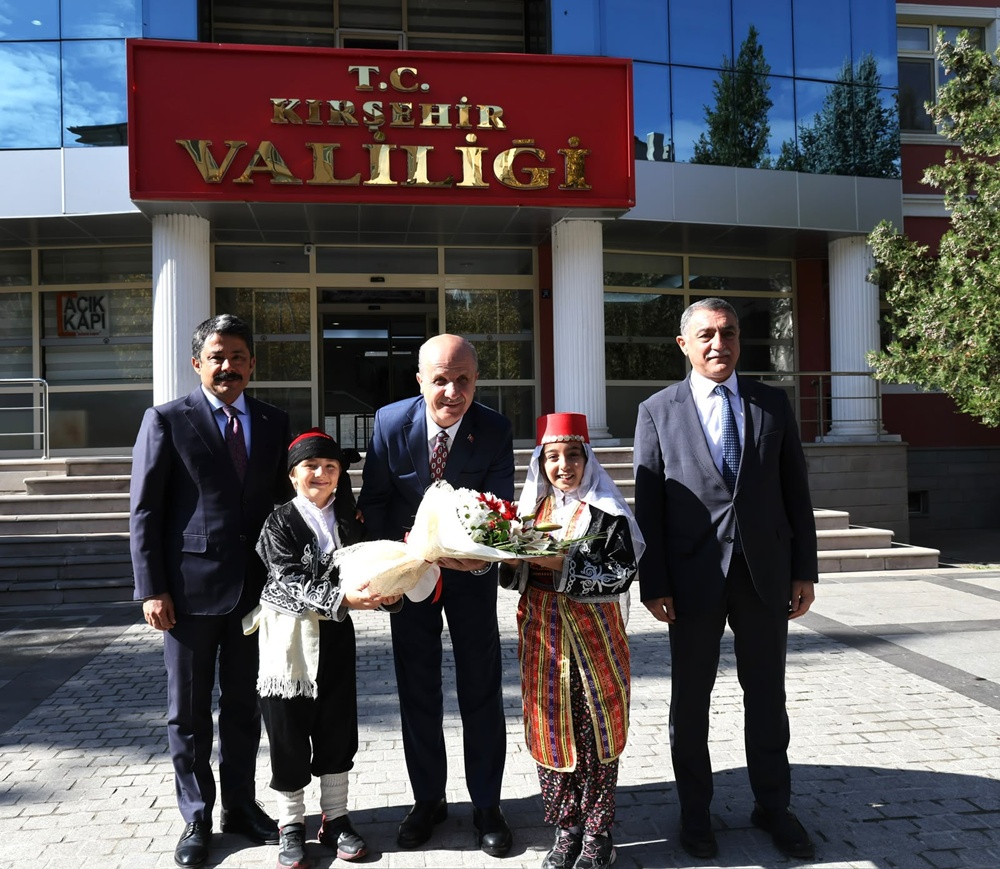
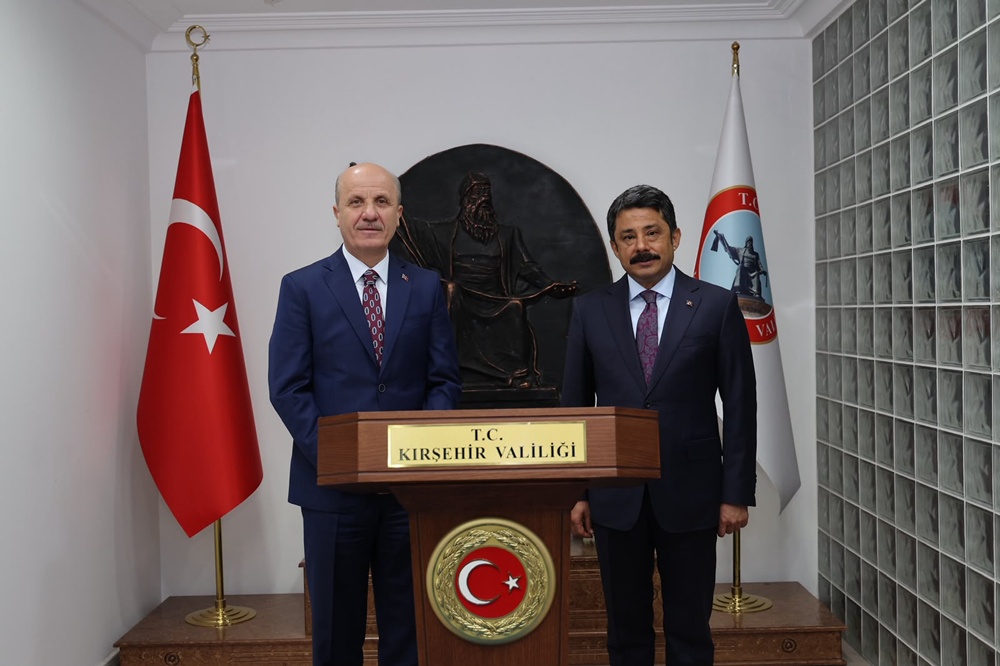
Following the memorial ceremony, Özvar and his accompanying delegation paid an official visit to Kırşehir Governor Murat Sefa Demiryürek at his office.
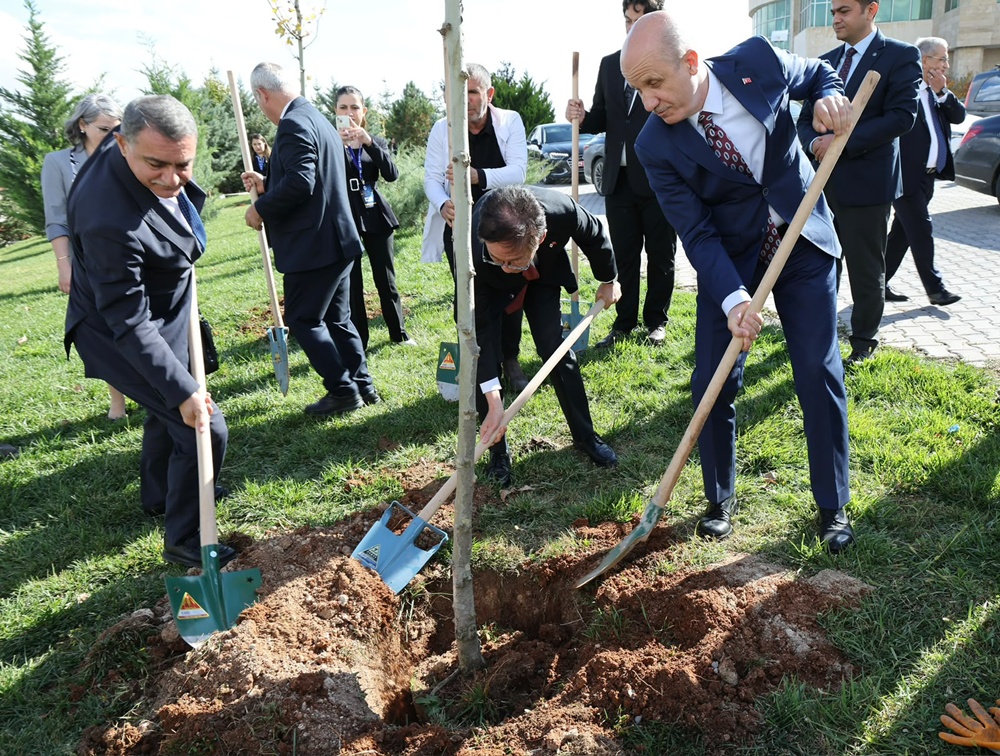
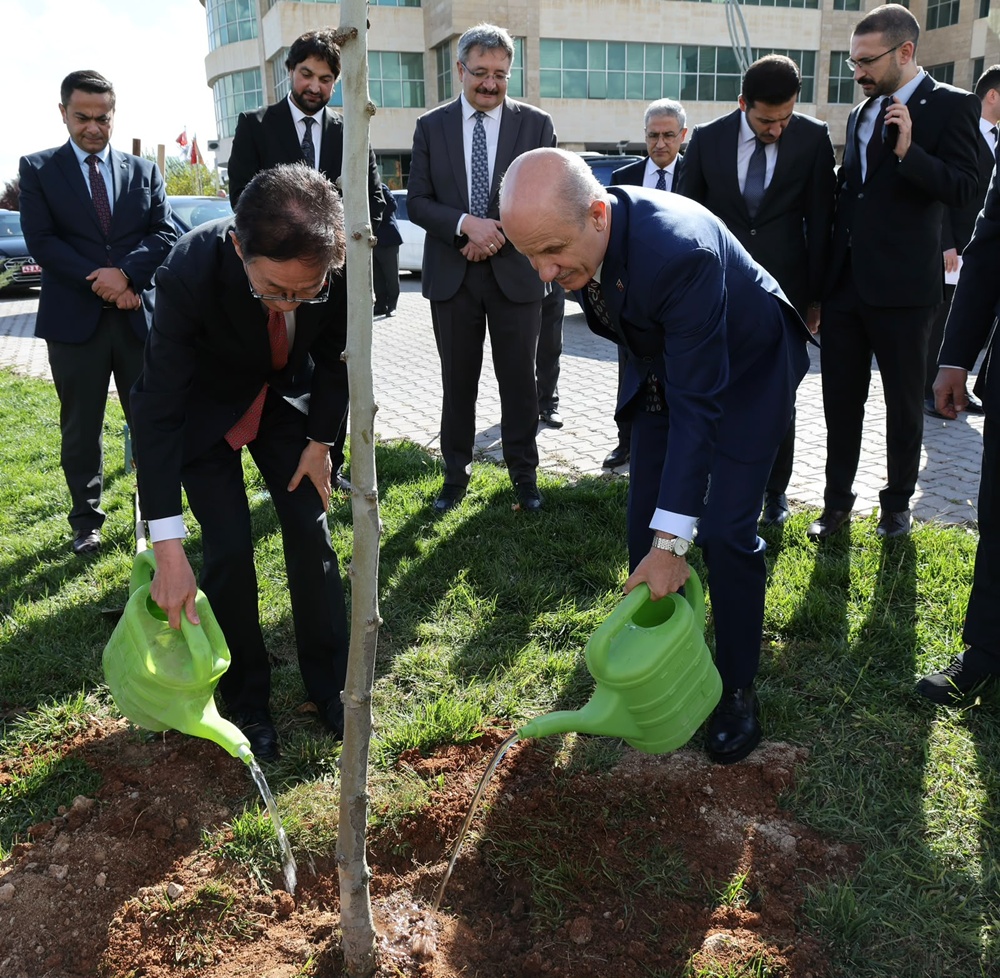
Özvar and Ambassador Tamura later planted two plane trees in front of the Rectorate building of Kırşehir Ahi Evran University.
- Prof. Omura’s Legacy to Live On Through Archaeology Laboratory
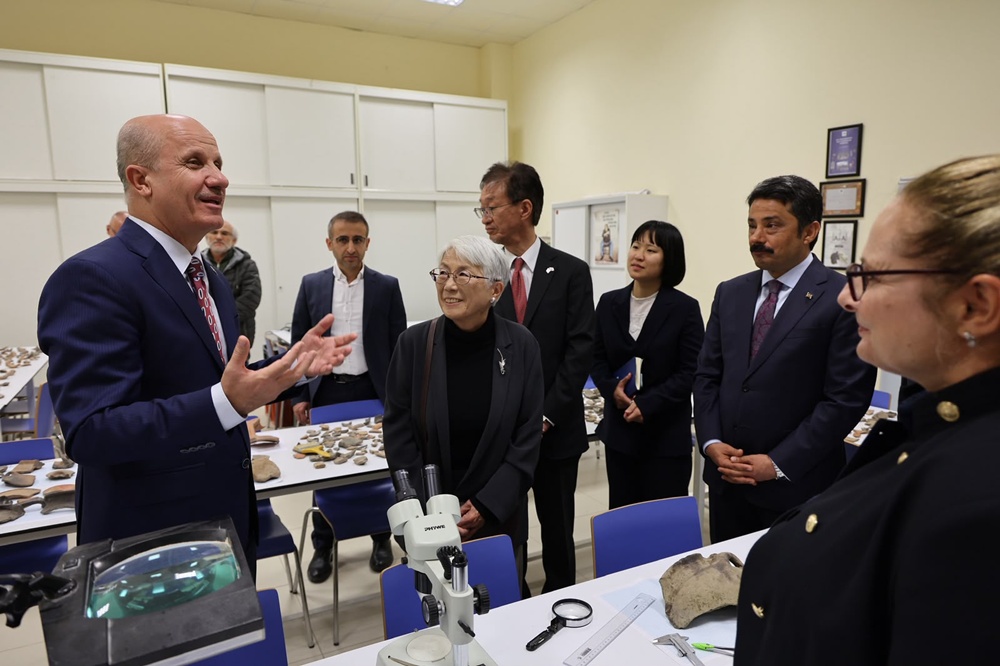
As part of the program, the Prof. Sachihiro Omura Archaeology Research Laboratory, established within the university’s Faculty of Arts and Sciences, was also inaugurated.
“I am delighted that the name of such a distinguished scientist, who devoted his life to Anatolian archaeology, will live on in a laboratory dedicated to supporting new research. I hope this laboratory will make valuable contributions to Anatolian archaeology,” Özvar said.
Following the inauguration, Özvar toured the laboratory, examined artifacts discovered during various excavations, and received information about the research being conducted there.
Images
Images