


International Researchers to Strengthen Türkiye’s Scientific Capabilities
- Bilkent University and Boğaziçi University to bring 12 international researchers into Türkiye’s scientific research ecosystem
- Projects to be conducted in strategic fields ranging from artificial intelligence and quantum computing to next-generation communication systems and health technologies
- CoHE President Özvar: “Our universities will play a leading role in the global competition for talent”
November 1, 2026
Türkiye has taken another step toward becoming a hub for international researchers. Bilkent University and Boğaziçi University are bringing a total of 12 scientists into their research teams under TÜBİTAK’s support programs for international researchers.
The scientists benefiting from these support programs will establish new research teams in Türkiye and conduct studies in advanced technology, energy, the environment, and health. In line with the Council of Higher Education’s (CoHE) goals of strengthening internationalization and research capacity, these programs enable researchers with scientific experience gained abroad to continue their work at universities in Türkiye. In addition to project funding, researchers receive support for research start-up packages and team formation.
- TRY 82.4 Million in Research Funding for Bilkent University
A total of TRY 82.4 million has been allocated to support the projects of six researchers at Bilkent University. The projects, in electrical and electronics engineering, computer engineering, and neuroscience, will focus on 5G and 6G communication systems, artificial intelligence, cryptography, magnetic resonance imaging, next-generation batteries, and cognitive neuroscience.
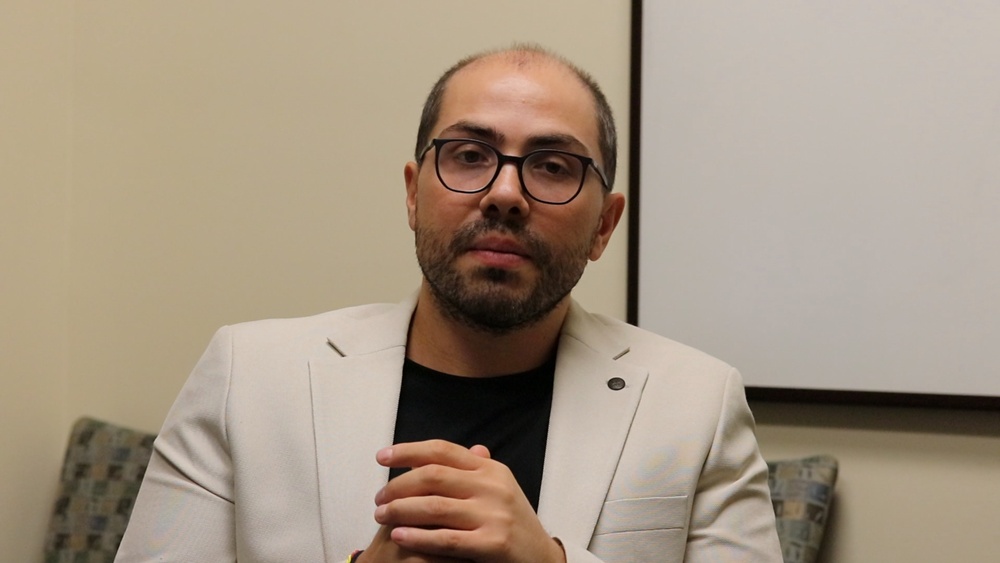
Among the researchers receiving support is Mohammad Mahmoody, a faculty member in the Department of Computer Engineering. Through his project, titled “Trustworthy AI and Quantum Computing from a Cryptographic Perspective,” Mahmoody is focusing on the security challenges of digital technologies. He explained that the project aims to use cryptographic methods to protect data used by artificial intelligence systems, verify the origins of generated content, and improve the reliability of decision-making processes.
Mahmoody noted that large language models can face adversarial prompts designed to bypass security rules. He emphasized that AI systems must be trustworthy not only in terms of the results they produce but also in the data they use and the decision-making processes through which they arrive at those results.
Highlighting that the wider adoption of quantum computers could threaten some existing encryption systems, Mahmoody stressed the importance of developing new encryption methods that quantum computers would find difficult to break. He added that quantum technologies could also create new opportunities in data transmission and secure communications. As part of the project, undergraduate, master's, and doctoral students are expected to join the research teams.
- Energy, Environmental, and Health Research at Boğaziçi University
The six researchers joining Boğaziçi University will conduct projects in environmental science, chemistry, and neuroscience. Their research areas include water resource management, microbial ecology, polymeric device technologies, energy storage systems, sensory processes, and sleep neurobiology. The university aims to bring together different disciplines through research in sustainability, climate change, clean energy, and life sciences.
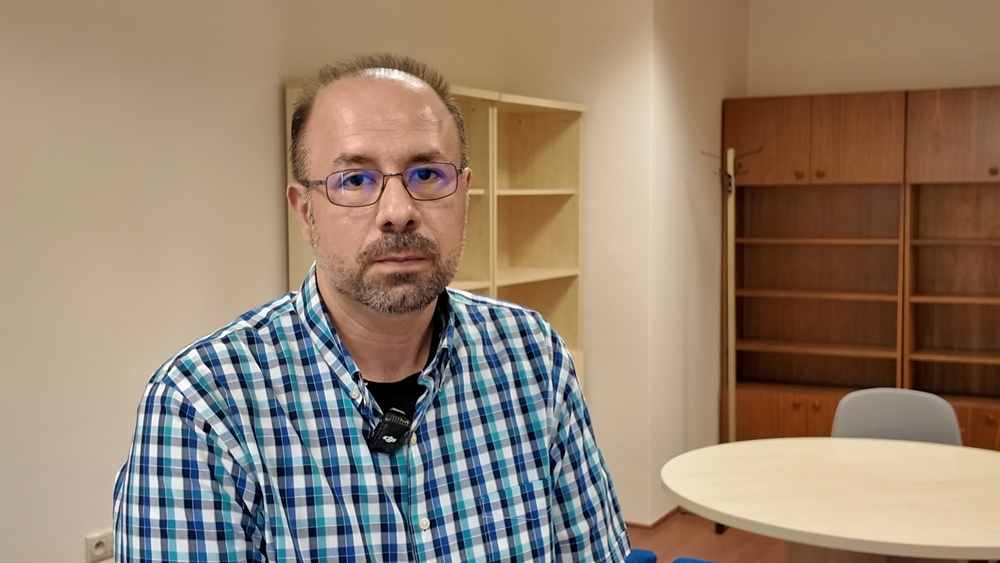
Dr. İsmail Altınbaşak, a Boğaziçi University doctoral graduate and researcher at Mayo Clinic, returned to Türkiye after working in the United States for approximately two years on biomaterials and health technologies. Through his five-year project, Altınbaşak is seeking to address a major challenge in cell-based therapies. The project aims to develop a technology that can deliver therapeutic cells to specific areas of the body in a controlled manner and enable them to remain functional there for longer periods.
“Our aim is to develop a new technology platform that can enable cells intended for therapeutic use to be positioned more precisely in a specific area of the body and maintain their functions there for longer,” Altınbaşak said. Describing the system they aim to develop as a temporary living environment or carrier platform for cells, he explained that the approach is intended to help keep cells at the targeted site and enable them to continue functioning throughout treatment.
Altınbaşak explained that the project will bring together materials science, cell biology, polymer chemistry, and engineering. He said he hopes to strengthen the link between fundamental scientific research and healthcare applications. Over the five-year project, he aims to advance the technology through different stages and bring it closer to real-world applications, while contributing to Türkiye’s research infrastructure in medical devices and health technologies.
Undergraduate and graduate students are also expected to participate in research activities at both universities. These projects are therefore expected to contribute to the training of a new generation of researchers.
Özvar: “We Aim to Bring the World’s Most Accomplished Researchers to Our Universities”
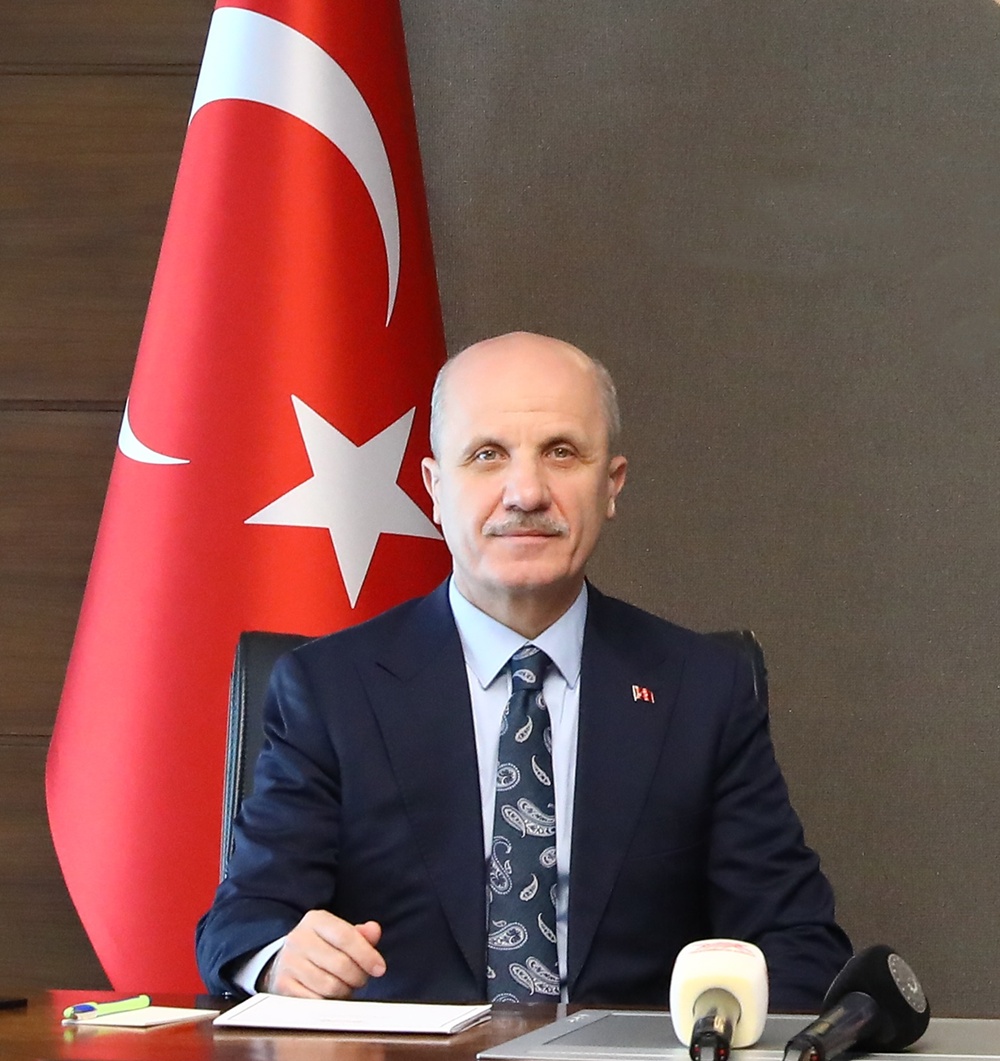
Erol Özvar, President of the Council of Higher Education, emphasized the importance of attracting talented scientists to Turkish universities as part of Türkiye’s internationalization goals in higher education. “International graduates with expertise in strategic fields, particularly artificial intelligence, advanced technology, engineering, medicine, and the natural sciences, will be brought into Turkish universities and industry,” he said.
Özvar noted that global competition for talented researchers is intensifying. He said many countries around the world are developing new policies and offering substantial scholarship opportunities to attract high-achieving young people to their universities.
Emphasizing that Türkiye also needs to make greater use of the global talent pool, Özvar said, “We aim to attract the most accomplished and talented international doctoral students to our country and universities. We want our research universities to play a leading role in this process and become more visible and attractive internationally.”
Images

Images