


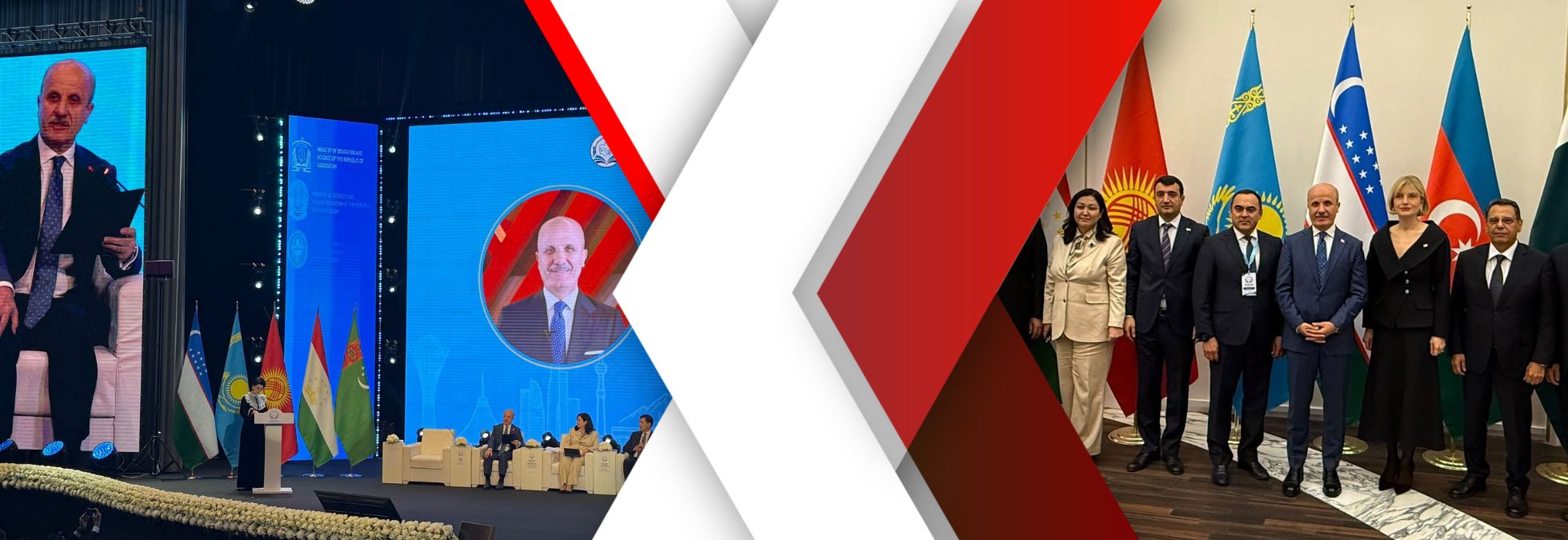
CoHE President Özvar Visits Uzbekistan
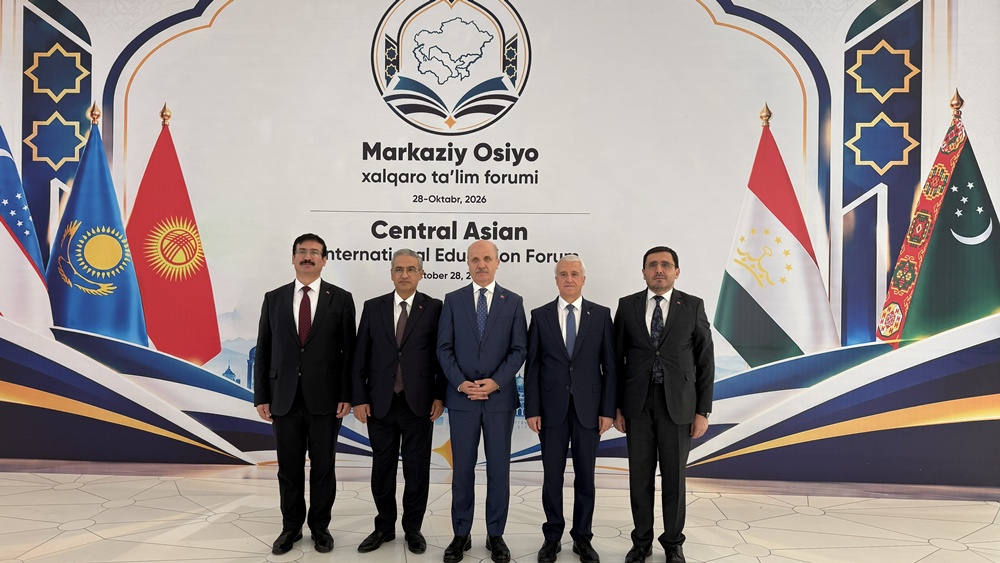
- At the Central Asia International Education Forum in Tashkent, CoHE President Özvar called for strengthening the Higher Education Area of the Turkic World.
- A new initiative for cooperation across the Turkic world, from degrees to academic exchange
- Özvar outlined five priorities, ranging from student and academic staff mobility to joint degrees, recognition of qualifications, and scientific research.
- CoHE President Özvar: “Türkiye views higher education cooperation with Central Asia as a strategic investment in our shared future.”
October 28, 2026
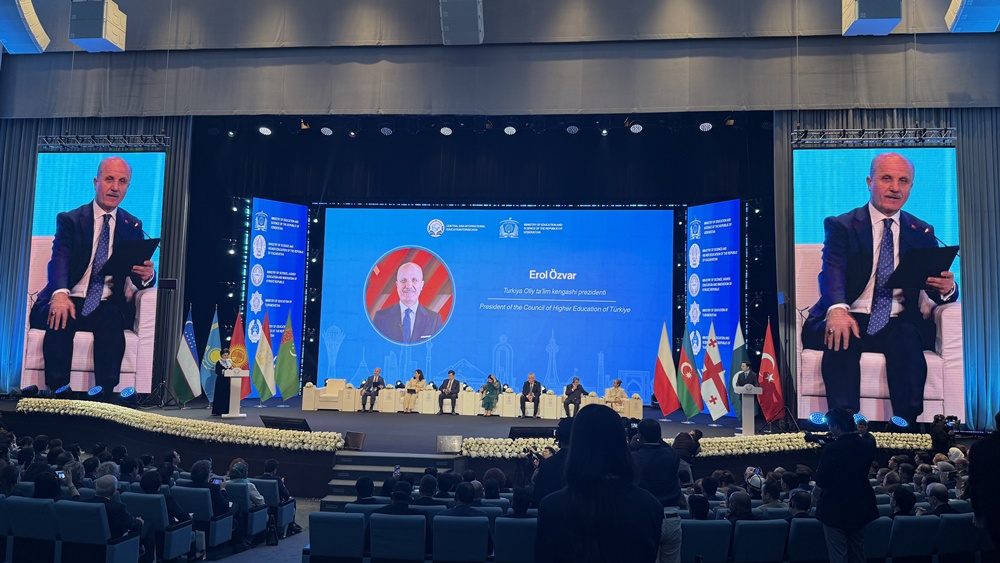
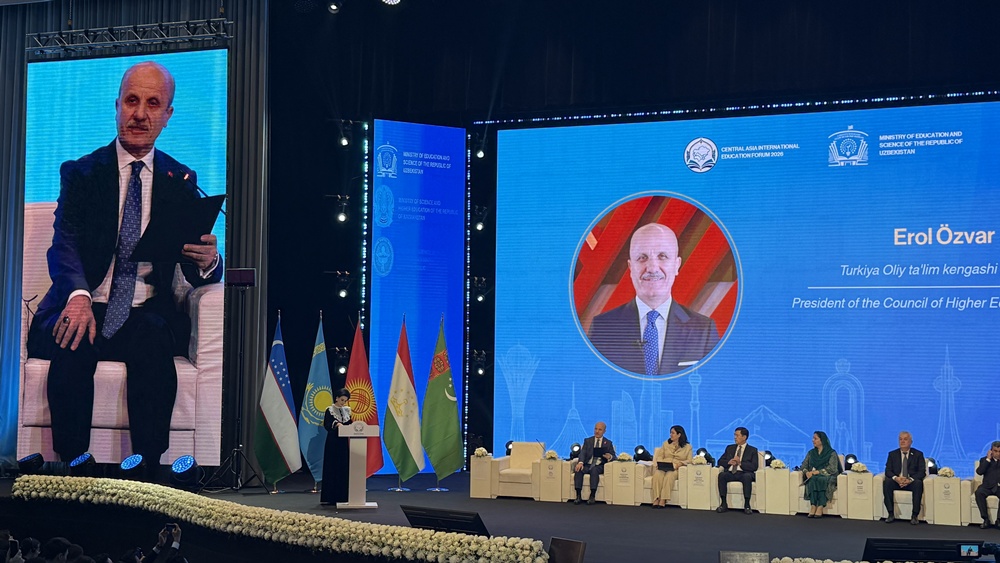
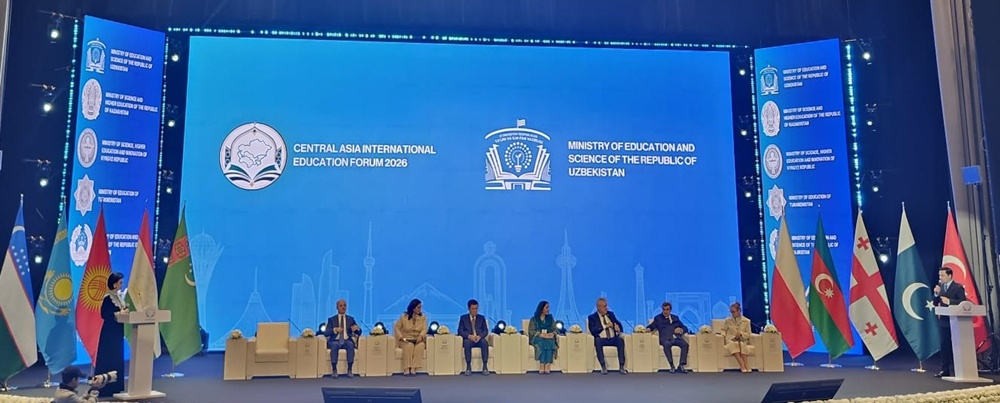
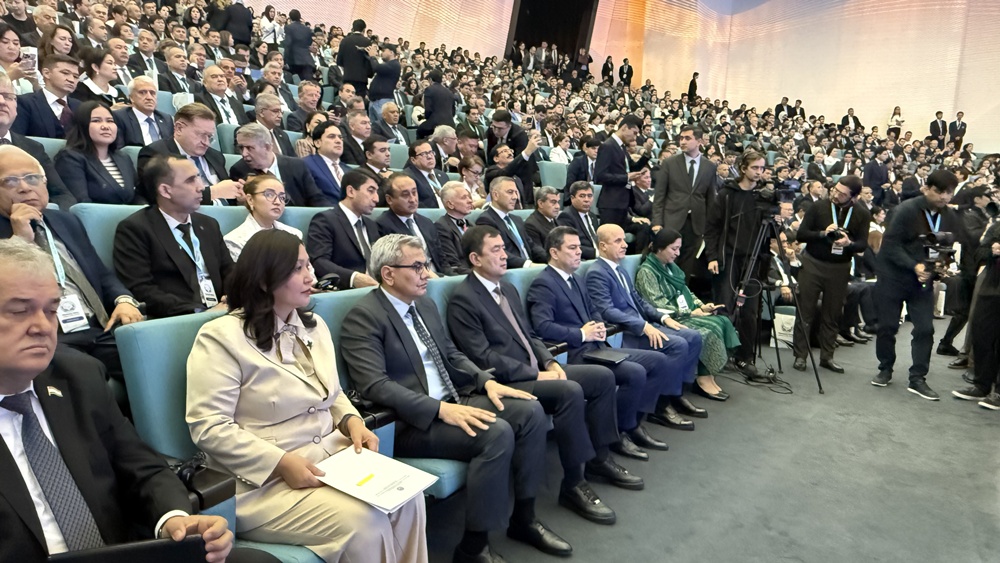
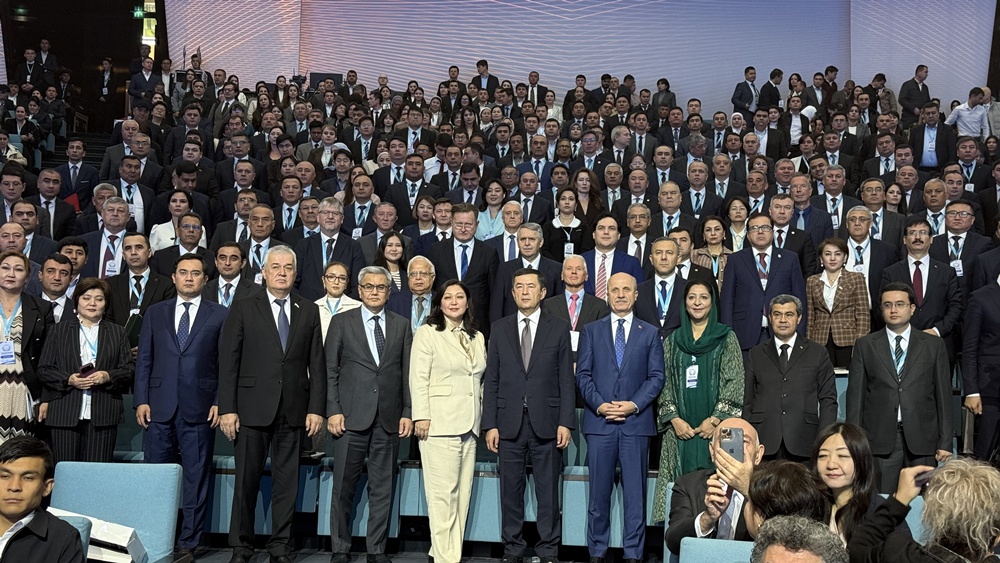
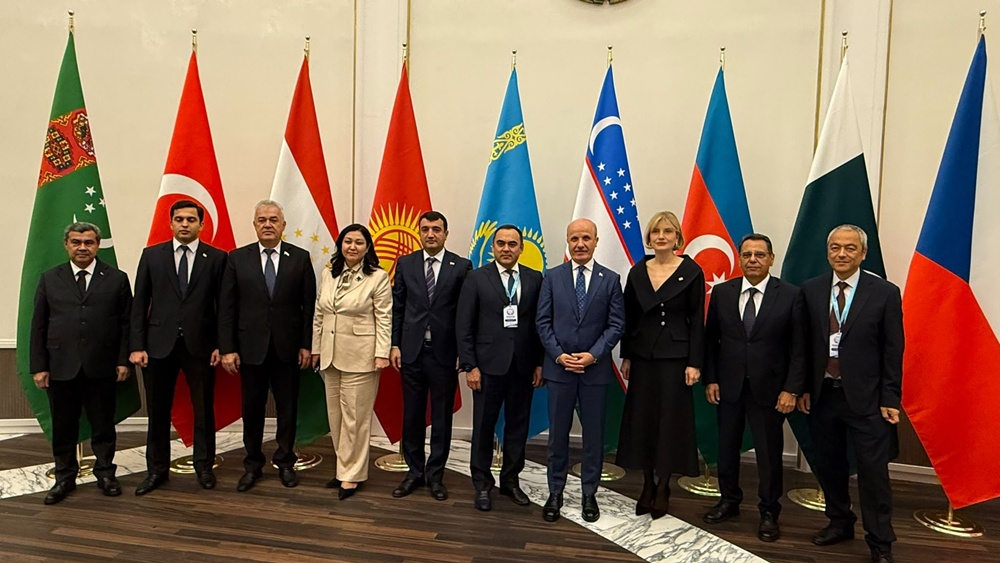
Council of Higher Education (CoHE) President Erol Özvar called for strengthening the Higher Education Area of the Turkic World at the International Education Forum for Central Asia held in Tashkent, the capital of Uzbekistan, outlining five priorities for advancing regional academic cooperation.
Özvar emphasized the need to facilitate student and academic staff mobility, expand joint and dual-degree programs, ensure mutual recognition of degrees and qualifications, support joint scientific research, and improve the academic quality of universities.
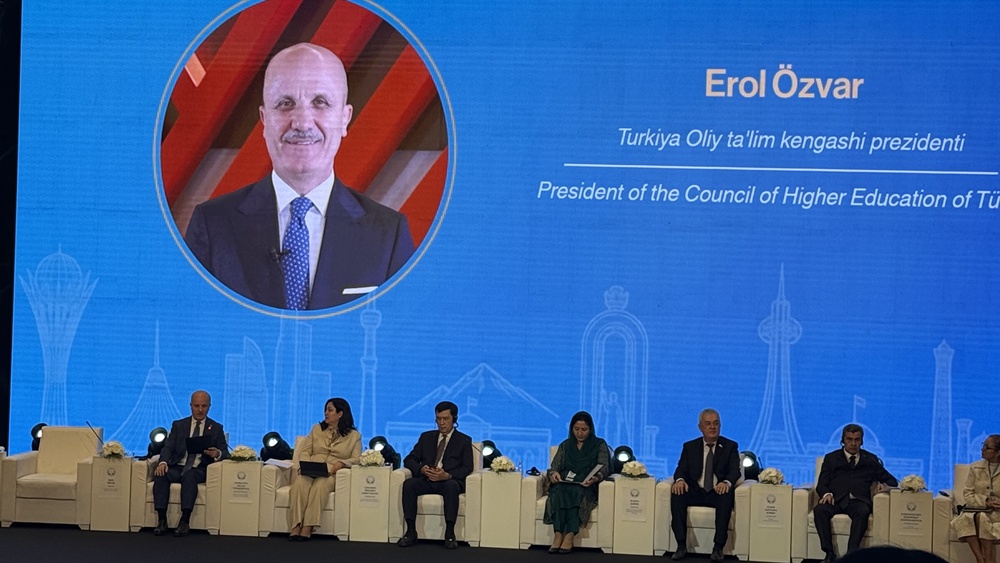
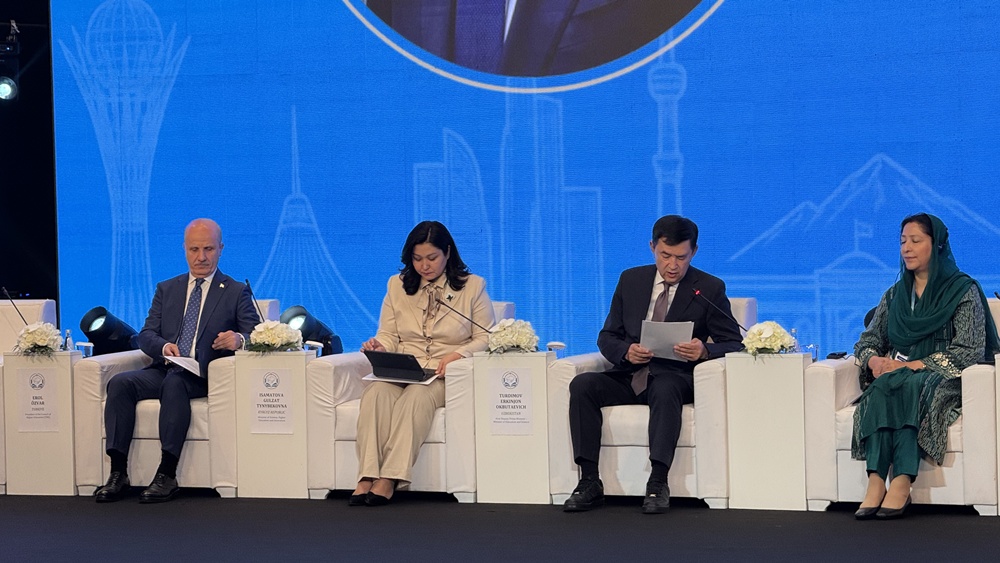
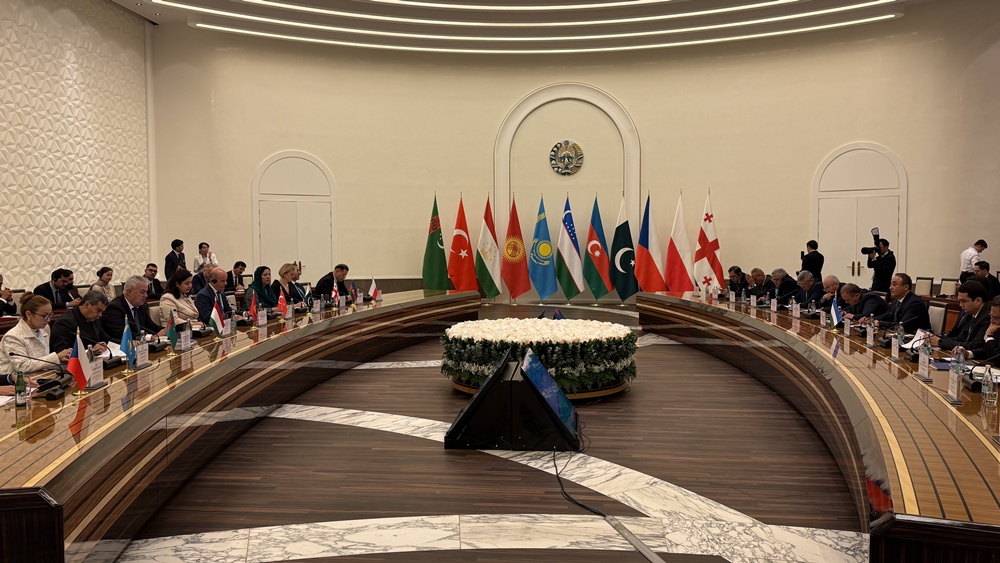
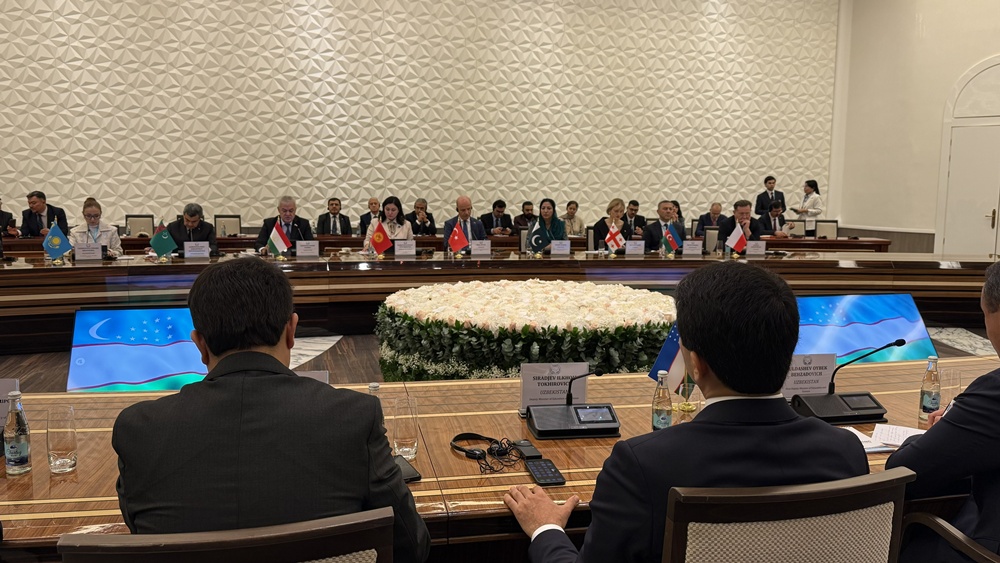
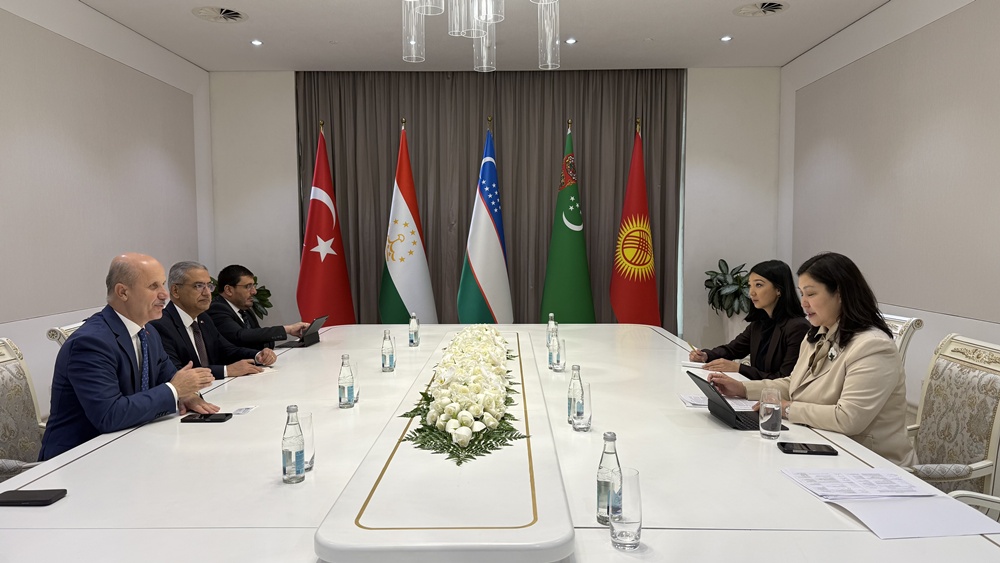
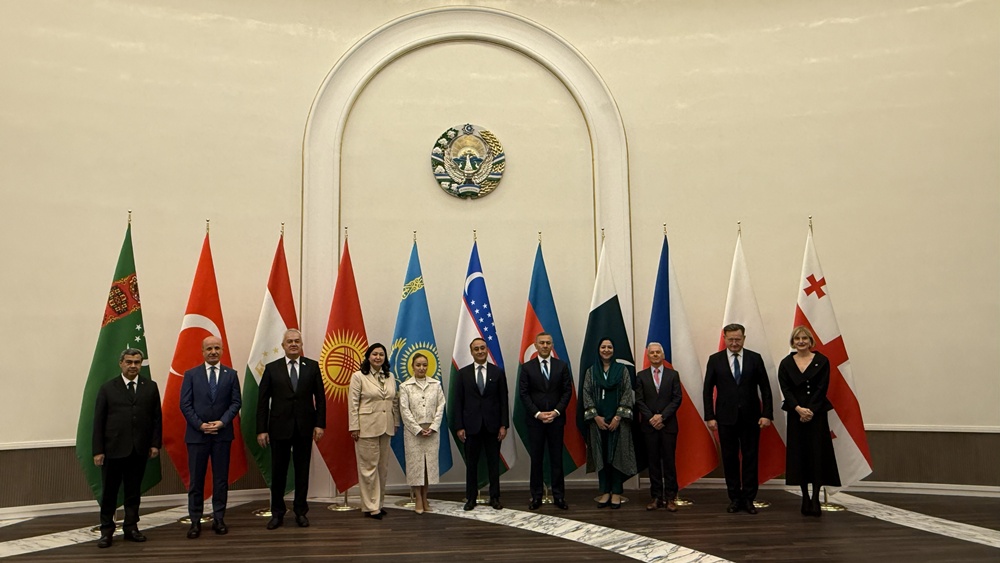
Speaking at the opening of the forum, held under the theme “Central Asia: A New Space for Education, Science and Innovation,” Özvar subsequently shared his views at a roundtable meeting with education ministers titled “Developing a Common Education Area in Central Asia and International Cooperation.”
At the forum’s opening, Özvar highlighted Central Asia’s rich scientific and cultural heritage and said countries in the region needed to work more closely together to strengthen its position as a hub for knowledge, scientific discovery, and innovation.
Stating that Türkiye attaches great importance to higher education relations with countries in the region, Özvar said, “Türkiye views higher education cooperation with Central Asia not merely as an academic endeavor, but as a strategic investment in our shared future.”
Noting that artificial intelligence, digital transformation, and green transformation were reshaping societies, Özvar said challenges related to water and food security, public health, and energy required joint scientific solutions. Emphasizing that Türkiye was ready to share its expertise in artificial intelligence, cybersecurity, and green transformation with countries in the region, he said universities could establish joint courses, digital learning resources, and research networks.
- Five priorities for academic cooperation
Speaking at the roundtable with education ministers, Özvar said five priorities needed to be implemented to achieve tangible results in establishing a common higher education area. First, he called for making student and academic staff mobility more accessible and inclusive, noting that procedures related to admission requirements, credit transfer, funding, and academic calendars needed to be streamlined.
Identifying the expansion of joint and dual-degree programs as the second priority, Özvar proposed developing arrangements that would enable students to study in more than one country. He named the mutual recognition of degrees and qualifications as the third priority, emphasizing that greater transparency in recognition procedures and stronger institutional trust would enhance academic mobility.
Özvar identified joint scientific research as the fourth priority, stating that research partnerships, consortia, and joint grant calls should be developed among universities. As the fifth priority, he called for improving universities’ academic quality and international visibility and strengthening cooperation among quality assurance agencies.
- Dedicated funding for the Orhun Exchange Program
Stressing that academic mobility needed to be supported by sustainable funding, Özvar announced his support for establishing a dedicated fund to expand the Orhun Exchange Program. He noted that development partners and the private sector could also contribute to the fund, alongside participating countries.
Özvar also expressed support for establishing a permanent secretariat for the Union of Turkic Universities, adding that the harmonization of curricula and credits would facilitate cooperation among universities.
- Institutional framework for the Higher Education Area of the Turkic World
Addressing efforts to establish the Higher Education Area of the Turkic World, Özvar recalled that the declaration adopted at the 12th Summit of the Organization of Turkic States, held in Gabala on October 7, 2025, provided an important foundation for this process.
Özvar highlighted the importance of several proposed mechanisms: a Higher Education Area of the Turkic World Data Bank, an Agency for the Recognition and Equivalence of Degrees, an Organization of Turkic States Higher Education Foundation, and a Quality Assurance Agency for the Higher Education Area of the Turkic World. These mechanisms are intended to facilitate information sharing among higher education systems, support degree recognition procedures, provide funding for academic mobility, and strengthen common quality standards.
Özvar cited Khoja Ahmed Yasawi International Kazakh-Turkish University, Kyrgyz-Turkish Manas University, Türkiye-Azerbaijan University, and the International University of Turkic States in Tashkent as successful examples of regional academic partnerships.
- “Our shared goal is to turn our common aspirations into sustainable projects”
Emphasizing that regional higher education cooperation should deliver tangible results, Özvar said, “Our shared goal is to turn our common aspirations into sustainable projects.”
Following the forum, Özvar called for an action-oriented strategic roadmap covering student exchange, joint-degree programs, degree recognition, scientific research, grant mechanisms, and quality assurance. He stressed that the work should proceed according to a clear timetable with clearly defined responsibilities. Özvar stated that Türkiye remained committed to strengthening its higher education partnerships with Central Asian countries and contributing to the development of the Higher Education Area of the Turkic World.
Images
Images