


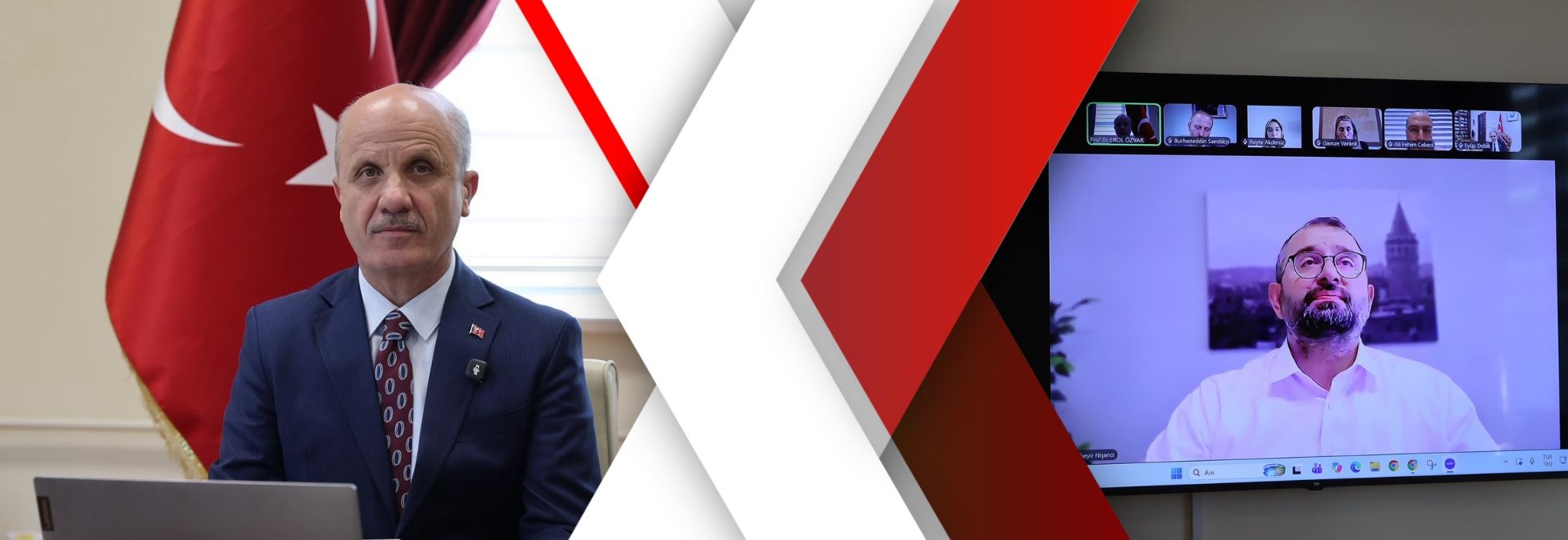
230,000 People Apply to Digital University to Study Artificial Intelligence
- 55,000 people to receive free training at Türkiye’s Digital University
- CoHE President Özvar delivers the inaugural lecture of the Digital University Platform:
- “Our goal is a higher education system that develops new educational models”
- “40 percent of workers’ skills will change by 2030”
November 3, 2026
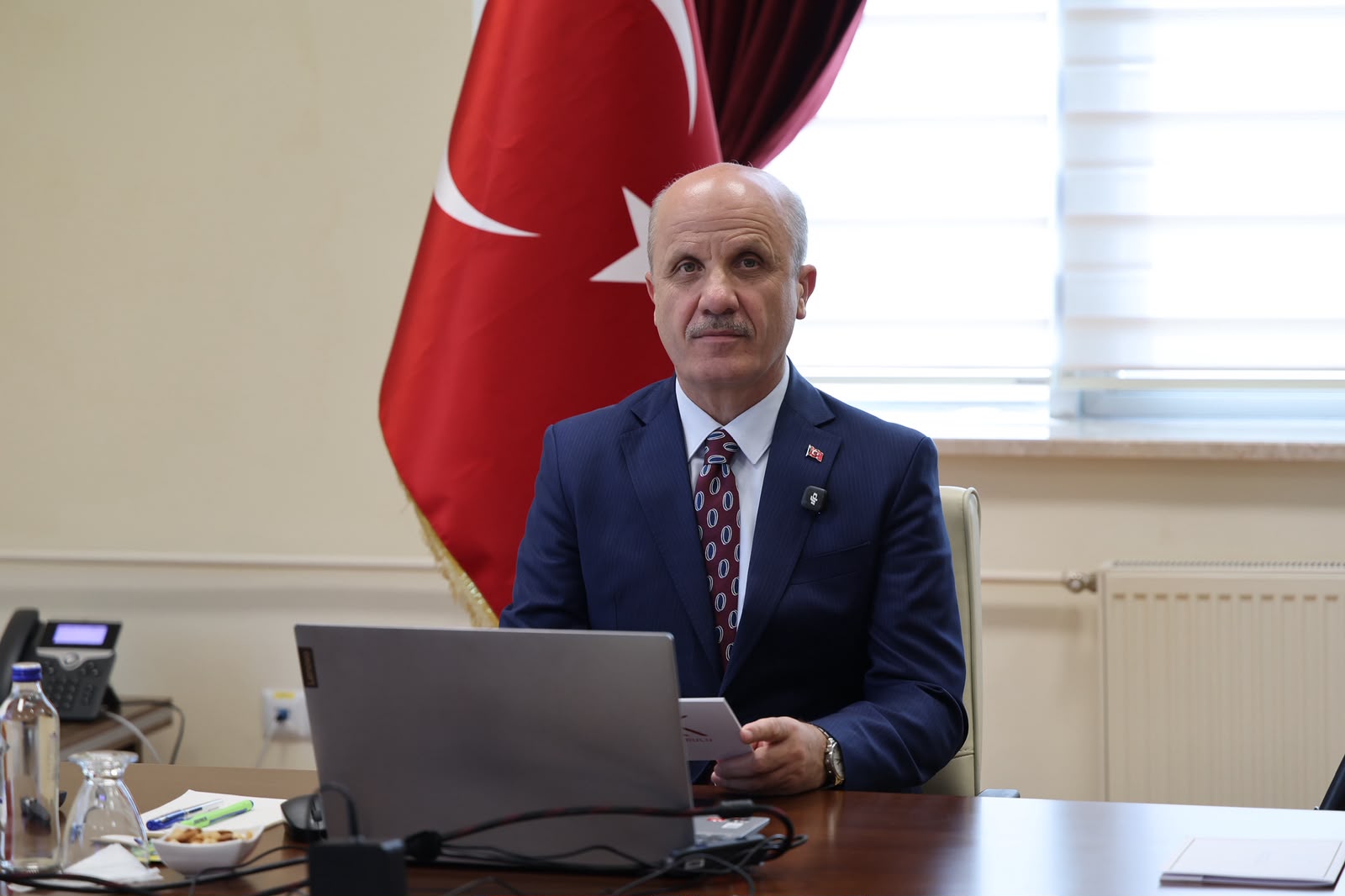
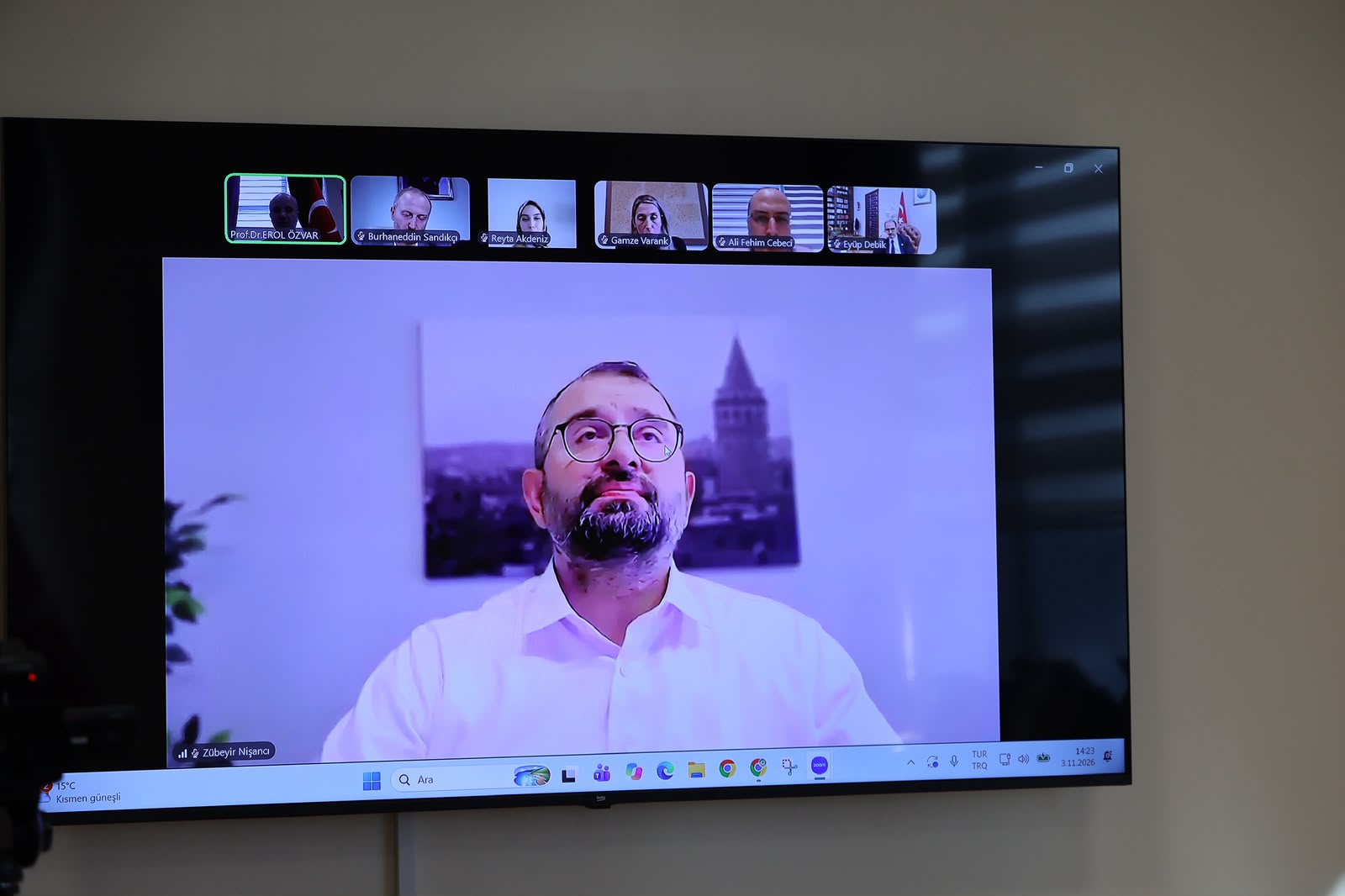
Erol Özvar, President of the Council of Higher Education (CoHE), emphasized that around 40 percent of workers’ existing skills will change or become obsolete by 2030, stressing that lifelong learning is no longer a choice but a necessity. He made these remarks during the online launch meeting held to mark the start of the new academic term on the Digital University Platform.
Joining the meeting from the campus of Ahi Evran University in Kırşehir, Özvar noted that developments in science and technology are reshaping many aspects of life, from working methods and production processes to everyday activities and educational approaches.
Özvar stated that advances in artificial intelligence, data science, and digital technologies, in particular, are rapidly transforming the ways societies produce and use knowledge.
Noting that this transformation is also being reflected in professions and labor markets, Özvar explained that while some professions are losing their importance, new areas of specialization are emerging, and the knowledge and skills required in existing professions are also changing. Citing international reports projecting that approximately 40 percent of workers’ current skills will change or become obsolete by 2030, Özvar stressed that this striking finding demonstrates that continuously developing one’s skills is no longer a choice but a necessity.
Özvar stated that the knowledge and skills acquired during university education cannot remain sufficient throughout a person’s lifetime. He noted that, alongside students, engineers, teachers, physicians, and public-sector employees who have been practicing their professions for years also need to acquire new knowledge and skills. Pointing out that digital technologies have removed many barriers to learning, Özvar said that people can acquire new areas of expertise without leaving their cities or interrupting their work, making education less restricted by particular locations or age groups.
Stating that Türkiye is closely following developments in science and technology and restructuring its higher education system in response to changing needs, Özvar said their goal is to establish a higher education system that does not merely adapt to technological advances but also makes use of the opportunities they offer to develop new educational models.
- Data Analytics School Received More Than 135,000 Applications in Its First Year
Özvar described the Data Analytics School, launched last year, as an important example of this approach and said the program had attracted considerable interest in its first year.
Reporting that the school received more than 135,000 applications in its first term, Özvar stated that approximately 30,000 people actively participated in the training and benefited from courses delivered by academics. He said it was encouraging that participants included not only university students but also people from a wide range of professions. He added that positive feedback and an overall satisfaction rate of 86 percent had provided a significant incentive to expand the initiative.
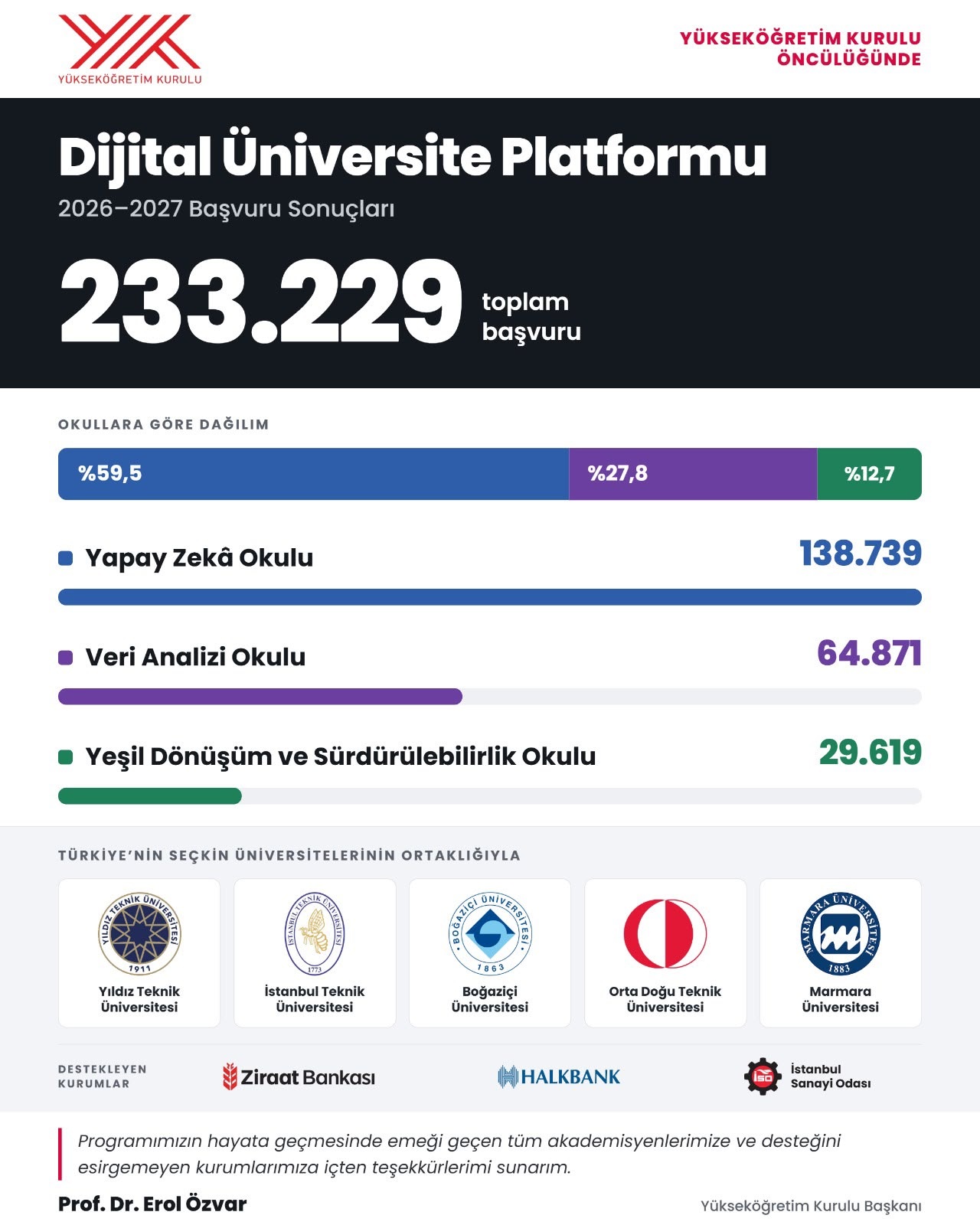
Announcing that approximately 230,000 people had applied to the new platform this year, Özvar said that around 55,000 people would benefit from the training. He noted that the increase in both applications and participants demonstrated the strong public response to the project and expressed his satisfaction that the initiative would reach more people than it had the previous year.
Emphasizing that they do not view the platform merely as a program for training specialists in specific fields, Özvar said their primary goal is to ensure that all segments of society, from students to working professionals, have access to the knowledge and skills required in today's world.
Özvar stated that he believes the training will not only help people prepare for new professions but also enable them to perform their existing jobs more effectively and to a higher standard. He added that one of the platform’s key strengths is its ability to bring together the academic expertise of universities within a shared structure.
- “We Aim to Further Develop the Platform”
Özvar stated that they aim to expand the Digital University Platform in the coming period by introducing new schools and areas of study.
He said they expected participants to share their assessments and feedback on the courses, programs, and content, noting that these views would help guide the platform’s further development.
Özvar emphasized that the platform is not intended solely for university students. He stated that they want people at different stages of education, from primary school to graduate studies, as well as working professionals and members of various occupational groups, to benefit from these opportunities.
This year, the Digital University Platform offers a total of 16 training modules across three separate schools. All courses are provided free of charge and delivered online.
Images

Images