


CoHE President Özvar Calls for a Transformation in University Education in Kırşehir: “Fewer Courses, More Practical Training”
- CoHE President Özvar: “We cannot expect our young people to specialize in a particular field when they have to take 70 or 80 courses”
- “We must adopt new assessment methods based on writing, projects, and presentations”
- “Our goal is to increase the number of universities whose graduates are sought after around the world”
- Students at the University of Renewal call on Özvar to extend the program to four years
November 3, 2026
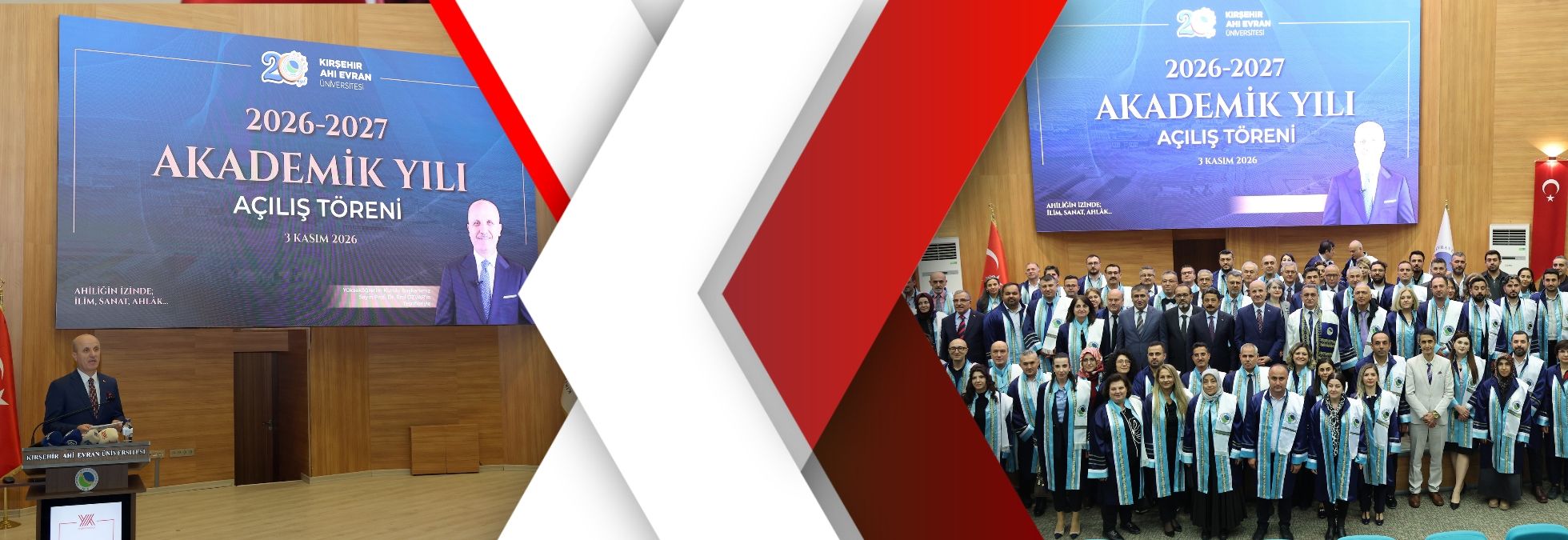
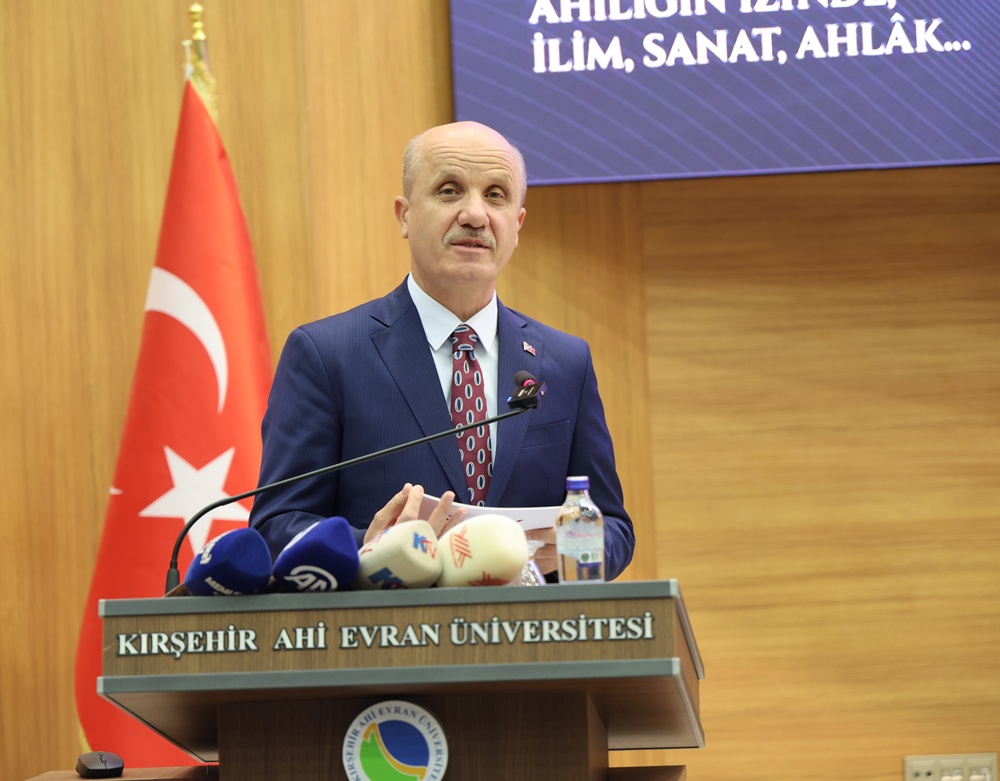
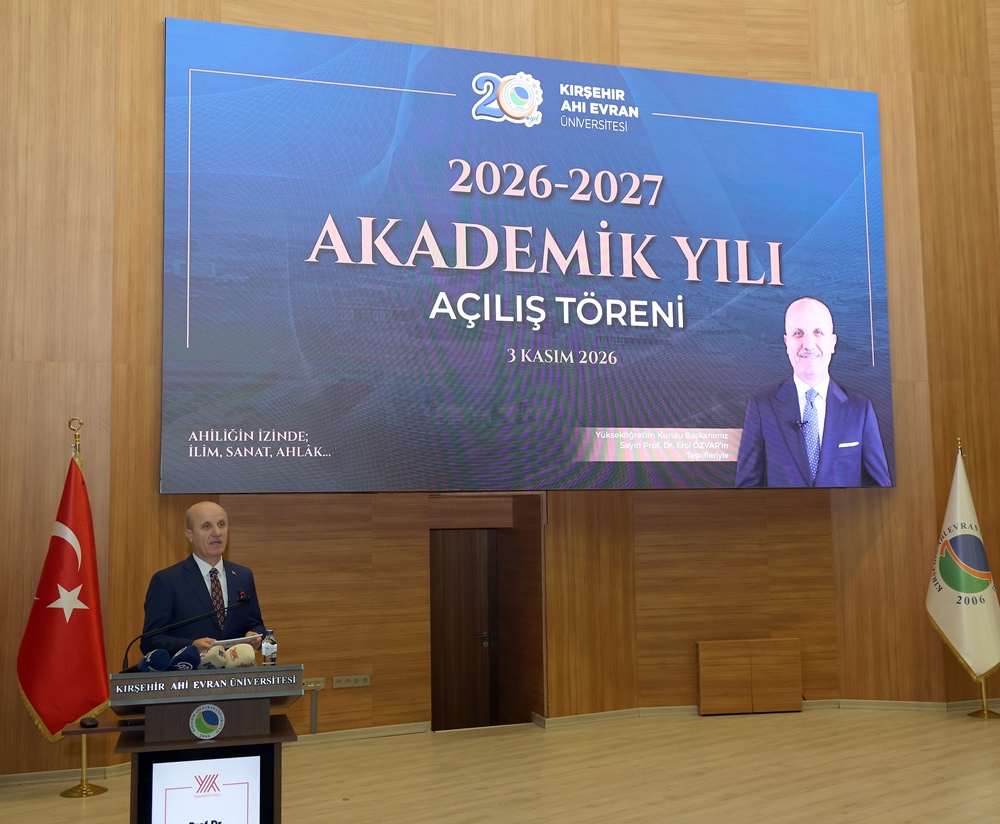
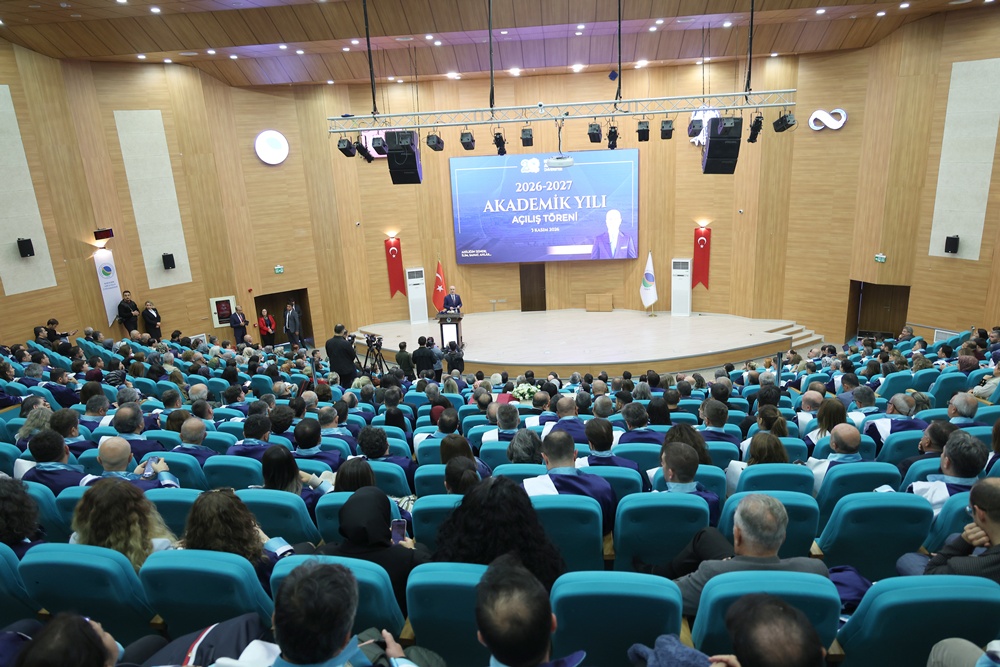
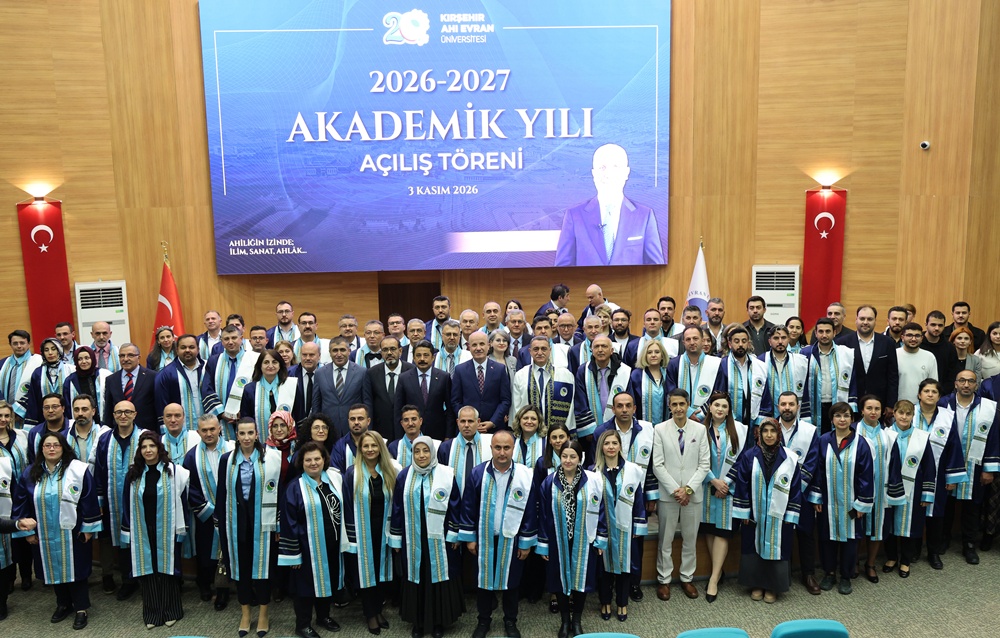
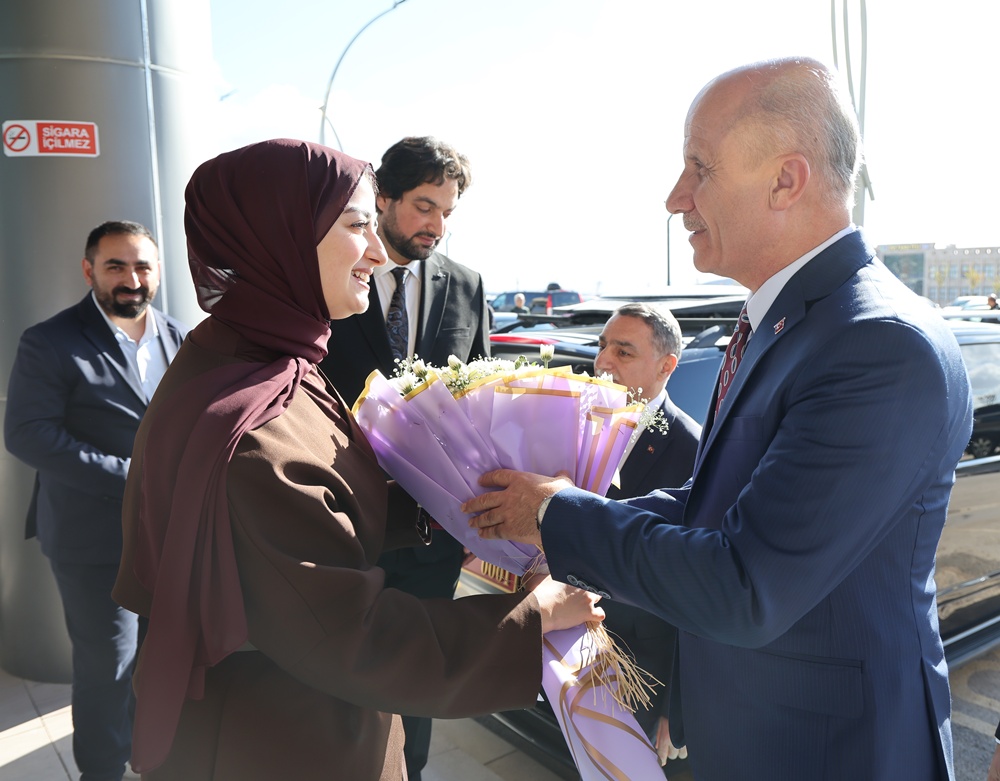
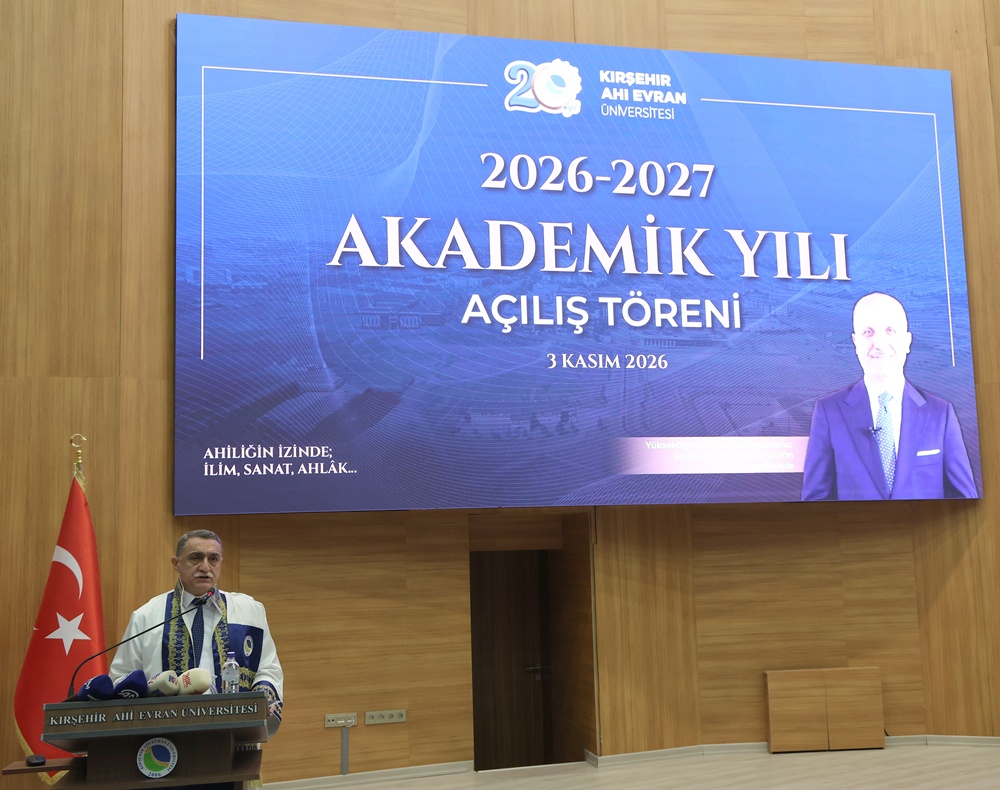
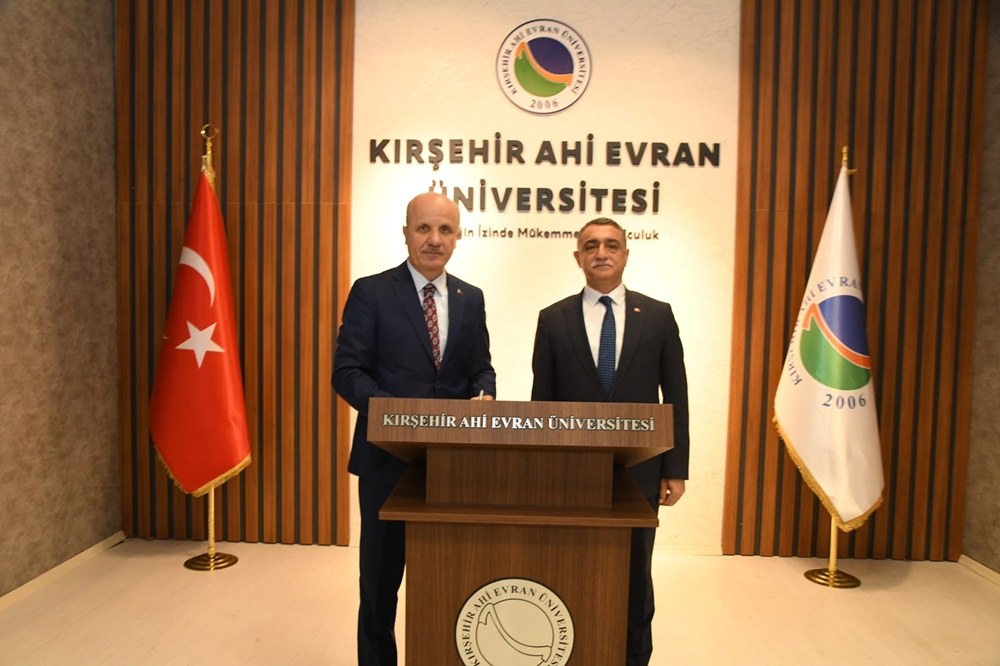
Erol Özvar, President of the Council of Higher Education (CoHE), attended the 2026-2027 Academic Year Opening Ceremony at Kırşehir Ahi Evran University.
Addressing students and academics, Özvar said university education should move toward a model based on fewer courses, more practical training, and learning by doing. Calling for simplified curricula and renewed assessment and evaluation methods, he emphasized that the focus should be not on students’ ability to access information, but on their ability to use and question it and develop new solutions.
Highlighting the importance of Ahi Evran’s philosophy, which brings together knowledge, labor, and ethics, Özvar said, “Ahi Evran’s approach, which unites knowledge, labor, and ethics, remains a valuable legacy that can guide our universities today.”
- The Era of Simply Transferring Knowledge at Universities Is Changing
Özvar stated that transformation in education is not merely a matter of introducing new programs or expanding digital opportunities. The real issue, he said, is to rethink how teaching takes place at universities and how students learn.
Noting that access to information has become extremely easy and that students can access course materials from leading universities around the world on their phones, Özvar said the value of universities and academics can no longer be defined solely by their ability to provide access to information. Emphasizing that this development does not diminish the importance of academics but, on the contrary, makes their knowledge, original perspectives, and experience even more valuable, Özvar continued:
“It is not enough to repeat information that students can easily obtain from a text or an artificial intelligence tool. Our task is to teach young people how to think, question, conduct research using scientific methods, and develop solutions to the problems they encounter. That is why we insist on one principle: fewer courses, more practical training, and learning by doing.”
Pointing to the importance of students actively working in laboratories, workshops, field settings, businesses, and research projects, Özvar said, “If a course begins and ends in the classroom, it means we are not making full use of its potential.”
- “We Must Go Beyond the Classroom”
Emphasizing that university education should not be limited to classroom instruction, Özvar said, “The classroom is no longer what it used to be. We absolutely must go beyond the classroom. Limiting university education solely to classroom courses makes it exceedingly narrow. Our faculty members must engage with students not only in the classroom but also outside it. Our faculty members will take the lead in this process and drive the most significant transformation.”
- “We Must Not Overwhelm Students with Theoretical Courses”
Stating that simplifying curricula and reducing the number of courses in undergraduate programs are among their priorities, Özvar said courses with similar content should be consolidated and unnecessary repetition eliminated. He continued:
“We cannot expect our young people to specialize in a particular field when they have to take 70 or 80 courses. What field can a student who has to learn 70 or 80 courses possibly specialize in? We must stop overwhelming students with theoretical courses. These courses and curricula definitely need to be simplified.
Without compromising educational quality or professional competencies, we should consolidate courses with similar content, eliminate unnecessary repetition, and establish a realistic course load. This will give students more time to read, conduct research, develop projects, and gain practical experience.”
- Call on Universities to Diversify Examination Systems
Emphasizing that approaches to assessment and evaluation must also be renewed alongside teaching methods, Özvar said multiple-choice examinations could still be used, but assessment and evaluation should not rely entirely on this method.
Özvar noted that multiple-choice examinations are one form of assessment and can continue to serve a purpose, but added: “If you place the entire burden of assessment and evaluation on multiple-choice examinations, you cannot measure what you are actually teaching. There are many assessment and evaluation techniques. We therefore have to diversify them.”
Pointing out that examinations should help students develop self-confidence, Özvar said, “Examinations should not be designed to undermine a student’s self-confidence; on the contrary, they should also help students gain confidence in themselves. If an examination prevents a student from enjoying life, then it is not right. An examination must, on the contrary, be a process through which students can build their self-confidence.”
Özvar noted that student numbers per classroom had declined in many departments. He said insisting on the same examination format in an environment with fewer students would undermine the quality of education.
Calling on departmental and faculty boards, as well as university administrations, to take decisions on this issue, Özvar said, “We expect our universities, senates, and executive boards to take action. We must adopt new methods based on writing, projects, and presentations.”
- Artificial Intelligence Training for Academics and Students
Addressing the use of artificial intelligence in education, Özvar said training in this field should be placed on an institutional footing to make greater use of technological opportunities. Noting that academics often try to learn about AI on their own, he said universities should organize training programs on the subject.
Emphasizing that students, as well as academics, should receive AI training, Özvar said, “All our faculty members need to receive artificial intelligence training. We need to bring this to a more institutional level.” He stressed that while making use of the opportunities offered by AI, scientific thinking and human effort must remain fundamental determinants. He also noted that content generated by artificial intelligence cannot, on its own, be accepted as accurate and reliable information.
- Specialist Medical Training in Türkiye for Physicians from Gaza
Özvar announced that arrangements had been introduced to enable physicians from Gaza who cannot access medical specialty training there to continue their education in Türkiye. He said that after receiving high-quality specialist training in Türkiye, these physicians would return to serve the Palestinian people. Referring to the longstanding bonds of brotherhood between the peoples of Türkiye and Palestine, Özvar said, “We will continue this support with determination.”
Reporting that they continue to introduce new programs to prepare the higher education system for changes in the labor market, Özvar said that approximately 80 new programs had been launched over the past three years, particularly in artificial intelligence, cybersecurity, digitalization in agriculture and healthcare, and green transformation.
Announcing that the number of programs designed to prepare young people for the professions of the future had reached 724 across 160 universities, Özvar said they aimed to prepare universities for the world of tomorrow.
- 550 Young Researchers in the First Year, 3,000 in Five Years
Speaking about efforts to train researchers needed by Türkiye in strategic technology fields, Özvar recalled that the Türkiye Strategic Technology Human Resources Program had been launched with the support of President Recep Tayyip Erdoğan.
Özvar announced that 550 young people would be employed as research assistants at research universities in the program’s first year. He said the goal was to train a total of 3,000 young researchers over five years.
Pointing out that universities’ research capacity should contribute more substantially to the country’s economic development, Özvar said they expected universities to develop more original technologies, establish stronger partnerships with industry, and make greater contributions to the national economy.
- Graduates of Turkish Universities Increasingly Sought After Worldwide
Özvar stated that the rising international standing of Turkish universities was also reflected in their graduates’ success in the business world. He announced that the number of Turkish universities included among the 300 most preferred by employers in the 2027 Global Employability University Ranking, which is based on employer assessments, had increased from four to six. Emphasizing the significance of this result in demonstrating the international business community’s recognition of the knowledge, skills, and competencies that universities provide to their graduates, Özvar said, “Our goal is to increase the number of universities whose graduates are sought after around the world.”
- A Strong University Vision from the Values of Ahi Culture to the 2030 Vision
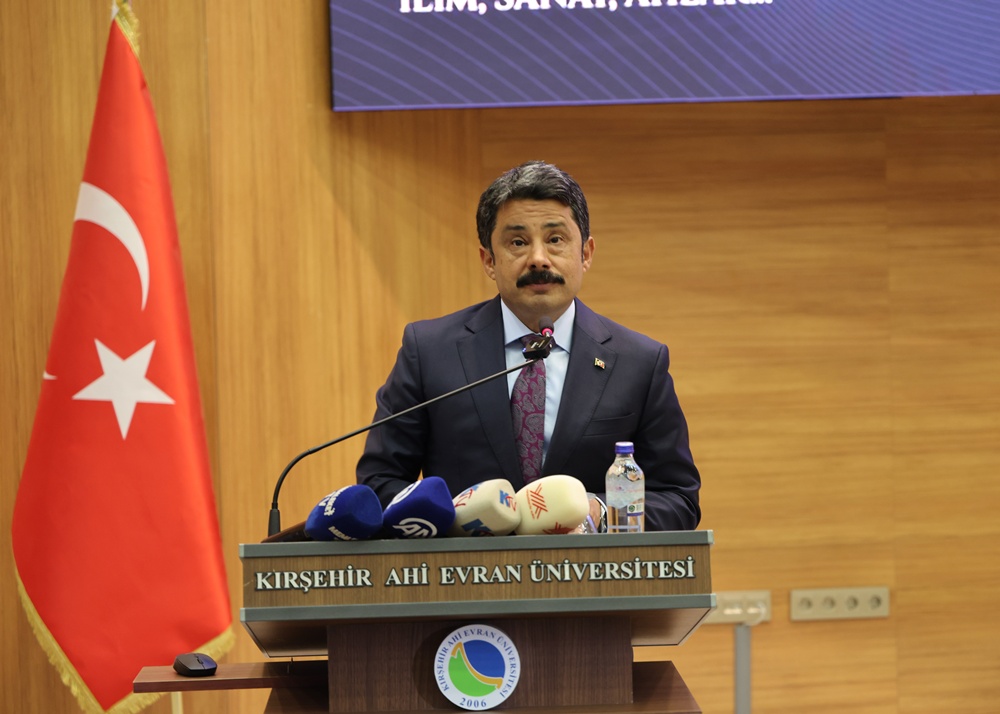
Speaking at the ceremony, Kırşehir Governor Murat Sefa Demiryürek stated that Kırşehir Ahi Evran University played an important role in the development of the city through its contributions to local government and healthcare services, as well as its educational and research activities. Noting that the governor’s office and the university worked in close cooperation, Demiryürek said they drew on the knowledge and expertise of academics when seeking solutions to the city’s needs.
Prof. Dr. Mustafa Kasım Karahocagil, Rector of Kırşehir Ahi Evran University, stated that the university sought to build all its activities—from education and training to local and regional development, internationalization, and quality initiatives in higher education—on the values of Ahi culture, in line with the goals of CoHE’s 2030 vision.
- Students at the University of Renewal Call for the Program to Be Extended
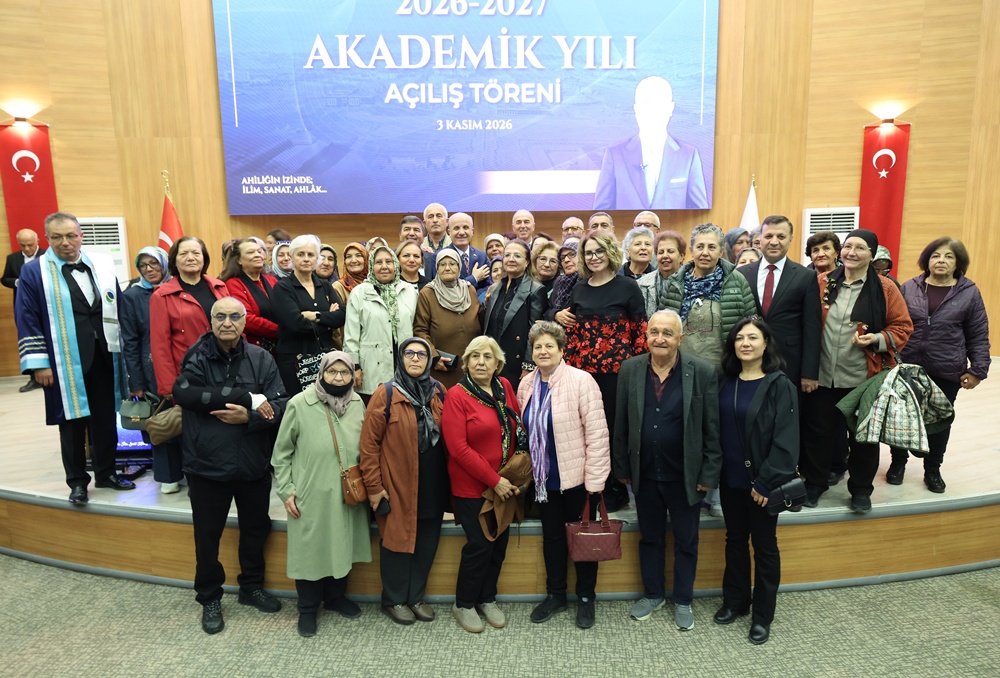
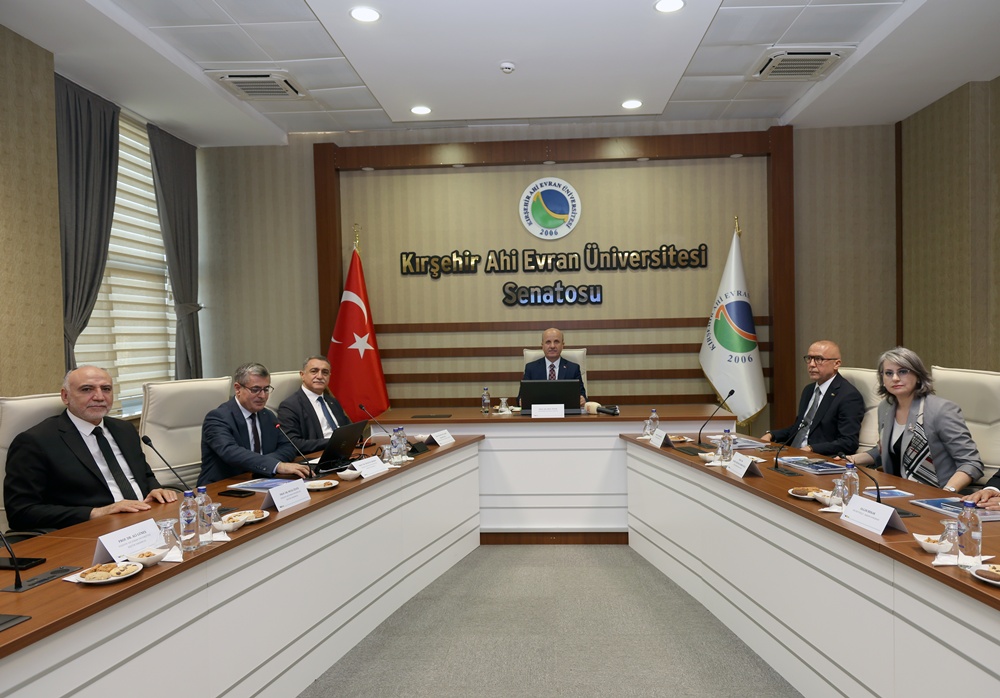
Following the academic year opening ceremony, Özvar met with 60 students and Assoc. Prof. Dr. Hilal Seki Öz, Coordinator of the University of Renewal.
The students briefed Özvar on the activities and projects they had undertaken as part of their studies and requested that the three-year program be extended to four years. They said the University of Renewal had transformed their lives.
Özvar also asked whether the students would like to see more sports and artificial intelligence training included in their curriculum. The students expressed their desire for both fields to have a greater place in the educational program.
Images
Images