


CoHE President Özvar Calls for New Approach to University Teaching: “Courses Should Be Designed Around Subjects, Not Faculty Members”
- Özvar: “We need to take serious and bold steps in our programs, curricula, and course loads”
- “While students in Europe graduate after taking 20-30 courses, our students in Türkiye take no fewer than 50-60”
- “We must give our students more time for practical training, research, and real-world experience”
Özvar Calls on Universities to Embrace Artificial Intelligence: “All our academics should receive training in the use of AI tools. Making this mandatory would be an important step”
- “We believe Türkiye, which has risen to 13th place worldwide in scientific document production, can rank among the top six or seven countries in the coming years”
November 5, 2026
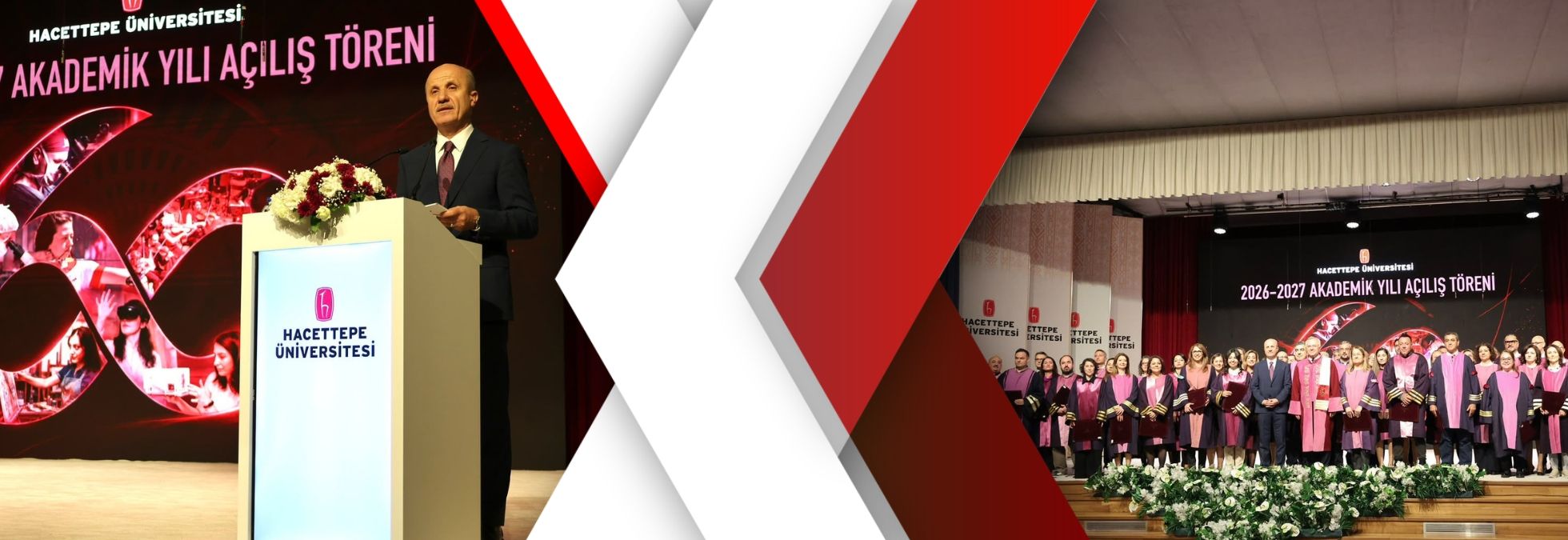
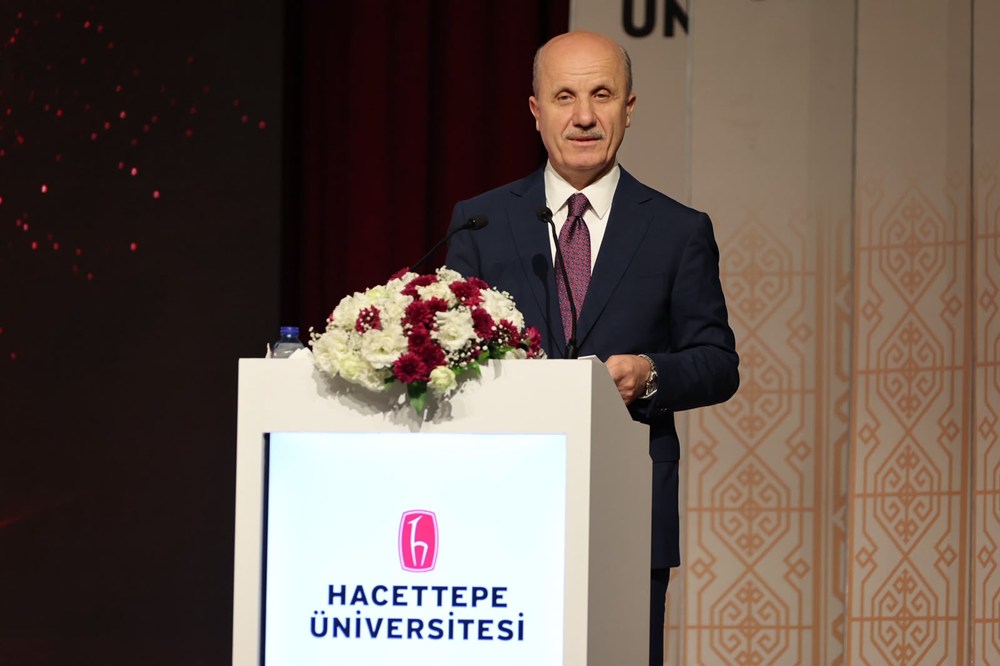
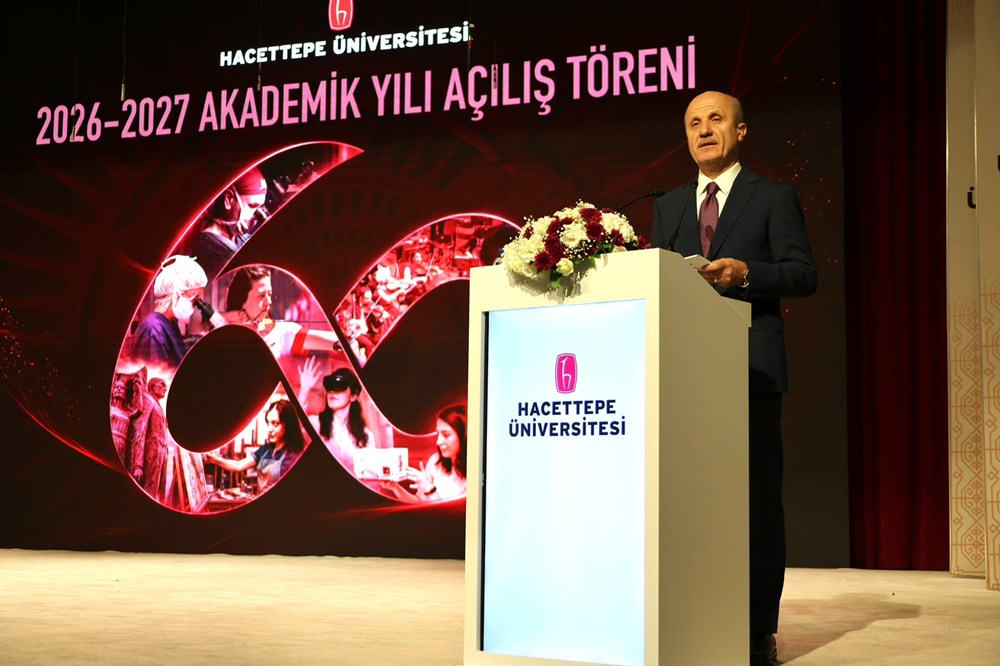
Speaking at Hacettepe University’s 2026-2027 academic year opening ceremony, Erol Özvar, President of the Council of Higher Education (CoHE), emphasized the need to reassess higher education programs and curricula.
Pointing out that technological developments are also transforming higher education, Özvar said traditional teaching and learning methods needed to be reconsidered.
Calling for bold steps in program structures, curricula, and course loads, Özvar stated that the content of courses mattered more than their titles or number.
He said students should be offered more opportunities for practical training and greater exposure to real-life experiences, calling for a review of the number and content of courses to make this possible.
Noting that the number of courses in university programs generally ranges from approximately 50 to 80, Özvar said that the average student in Europe completes an undergraduate degree by taking 20 to 30 courses. He stated that this comparison highlighted the need to reconsider educational programs in Türkiye and stressed that it was time to take action.
- The “Courses Designed Around Faculty Members” Approach Must Change
Stating that the approach to course planning at universities needed to change, Özvar said institutions should move away from the model in which courses are designed around individual faculty members and adopt an approach in which faculty members are assigned according to the courses that need to be taught.
Özvar said that reorganizing course loads would give students more time for practical training, research, and exploring the world around them. He added that courses exceeding undergraduate program requirements could be shifted to graduate programs.
Emphasizing that academics had an important responsibility in implementing this transformation, Özvar stated that faculty members should guide students and prepare them for life. He added that reorganizing course loads would also give academics more time to conduct research and write articles and books.
- Call for Artificial Intelligence Training for All Academics
Addressing the impact of artificial intelligence on higher education, Özvar noted that academics were using these technologies in their research, while students were benefiting from them at different stages of the learning process. He said AI offered significant opportunities in accessing information, conducting research, and learning, while emphasizing that scientific principles and academic responsibility must be upheld when using these opportunities.
Pointing out that international university practices regulate the use of AI through clear rules tailored to the purpose of each course and assessment, Özvar said students should be informed in advance about which tools they may use and to what extent, and should be required to disclose the assistance they receive. He stated that clarity of rules, transparency, and fairness of access should be addressed together when establishing AI-use policies at universities.
Noting that AI-generated outputs cannot automatically be regarded as accurate and reliable information, Özvar said researchers remained responsible for questioning sources, verifying findings, and taking scientific responsibility for their conclusions. He emphasized that ensuring data reliability and protecting personal information were also part of this responsibility.
Calling for structured training programs on the use of AI tools at universities, Özvar said such training should not be limited to academics specializing in artificial intelligence.
Özvar stated that faculty members across all academic disciplines, particularly medicine, pharmacy, dentistry, social sciences, and natural sciences, should receive training in the use of artificial intelligence and educational tools. He described making such training mandatory as an important step and added that the programs should also include students.
- Artificial Intelligence Will Also Transform Assessment and Evaluation Methods
Özvar noted that artificial intelligence could offer examples, exercises, and feedback tailored to different learning needs in teaching processes. He said that stronger faculty guidance and institutional support would be needed to make effective use of these opportunities.
Explaining that international universities use both examinations designed to assess what students can do independently and assignments and projects that permit the use of AI, Özvar called for these practices to be expanded. He noted that supervised examinations assess how well students have learned a subject and whether they can apply their knowledge without external assistance. In assignments and projects, meanwhile, students are expected to explain how they used AI and verify the accuracy of the results they obtained.
Özvar emphasized that universities should establish clear rules defining which knowledge and skills students are expected to demonstrate independently, at what stages they may use artificial intelligence, and how they should disclose and verify such use.
Stating that Hacettepe University had significant potential to advance AI research through its expertise in healthcare, Özvar said collaboration between healthcare teams and researchers in engineering and information technologies could contribute to developing new solutions for diagnosis and treatment. He noted that such work must be conducted with due regard for patient privacy, data protection, scientific validation, and patient safety.
- Praise for Hacettepe University’s Research Performance
Özvar also shared data on Hacettepe University’s research performance during his speech.
He stated that in 2025, the university ranked first among research and candidate research universities in terms of the number of scientific publications and total citations. He also reported that the university ranked third with 292 national projects and first in terms of research funding, exceeding TRY 250 million.
Noting that funding for national projects had increased by more than 50 percent compared with the previous year, Özvar said Hacettepe University ranked fifth with 53 international projects.
Özvar stated that in 2025, Hacettepe University ranked third among research and candidate research universities in both the number of doctoral students, with 3,647, and the number of doctoral graduates, with 632. He added that, according to the latest figures, the number of doctoral students was approaching 3,500.
Reporting that patent applications had increased from 34 to 60 and the number of national patent certificates from 16 to 40 during the same period, Özvar emphasized that these indicators needed to be improved further.
Stating that bringing research findings together with production and economic value was an important priority of higher education policies, Özvar noted that Hacettepe Technopolis, established in 2003, was one of the key centers in this field. He said that 45 companies in which academics hold shares and 107 R&D projects directly involving academics were important indicators of university-industry cooperation.
- Güran: “We Increased Our Publication Output by Approximately 50 Percent”
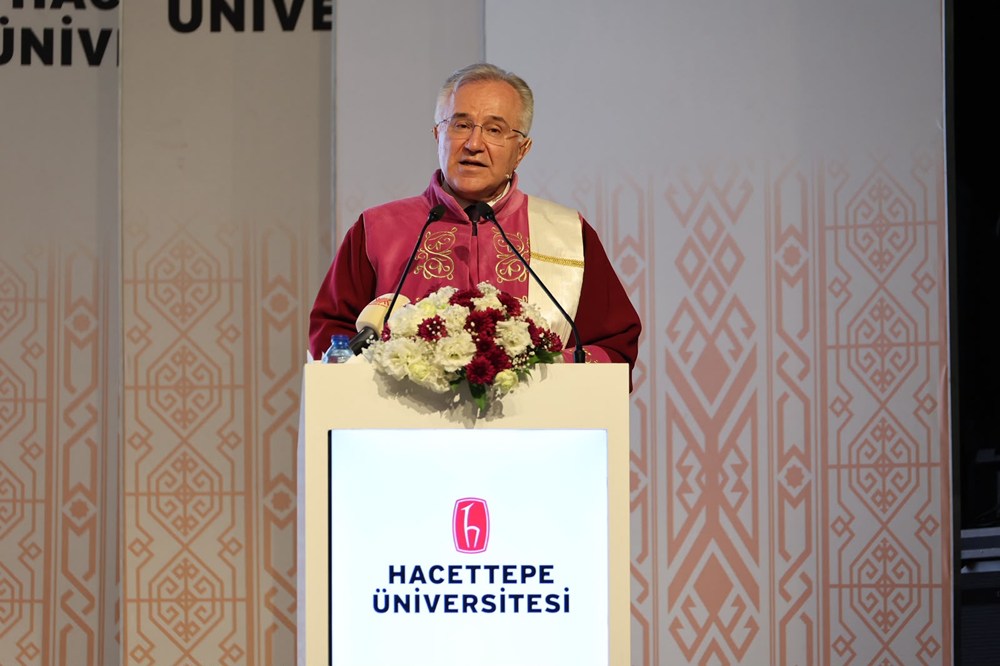
Speaking at the ceremony, Hacettepe University Rector Prof. Mehmet Cahit Güran stated that Hacettepe had the highest volume of scientific publications among universities in Türkiye.
Güran reported that the university’s number of publications indexed in Scopus had risen from 3,045 in 2020 to approximately 4,500 in 2026, representing an increase of around 50 percent. He also noted that the share of publications in the Q1 category had increased.
Stating that the university had established a Multidisciplinary Research Center in Beytepe and a Clinical Research Center in Sıhhiye to strengthen its research infrastructure, Güran said the Beytepe center was scheduled to begin operations within a month, while the Sıhhiye center was expected to be completed in 2028-2029.
Güran also noted that work was continuing to expand Hacettepe Children's Hospital, with the aim of opening the expanded facility in the first quarter of 2027.
Academic Year Opens with Orchestra Concert
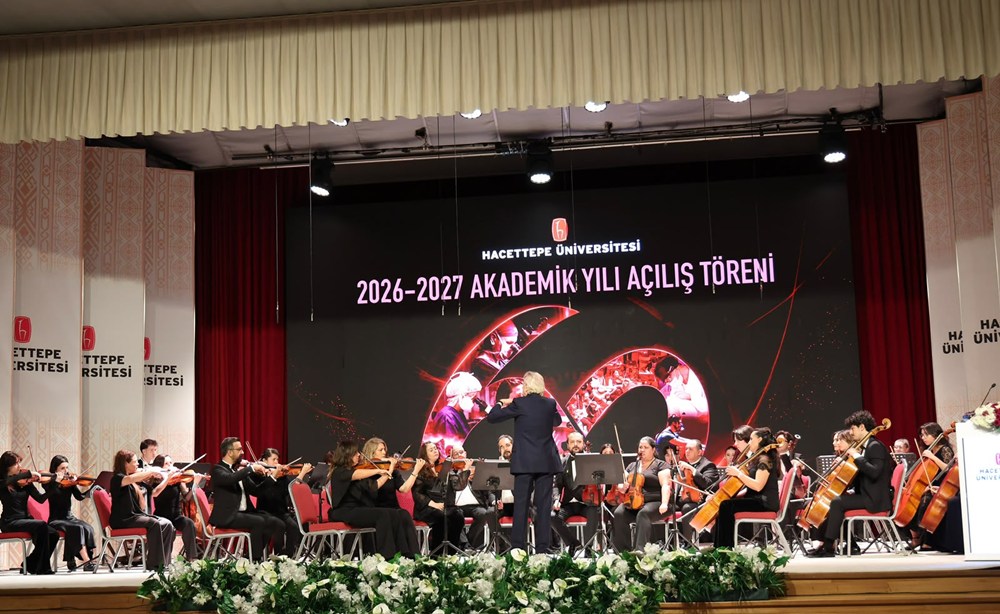
The academic year opening ceremony, held at Hall M of the Cultural Center on Hacettepe University’s Sıhhiye Campus, began with a concert by the Hacettepe University Symphony Orchestra conducted by Prof. Rengim Gökmen.
A film prepared to mark the university’s 60th anniversary was also screened during the ceremony.
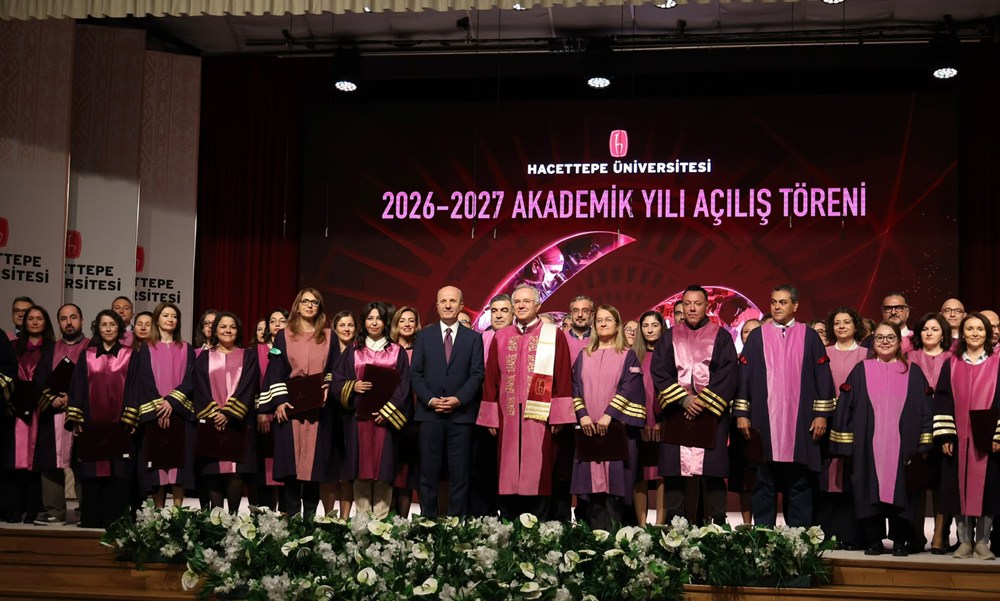
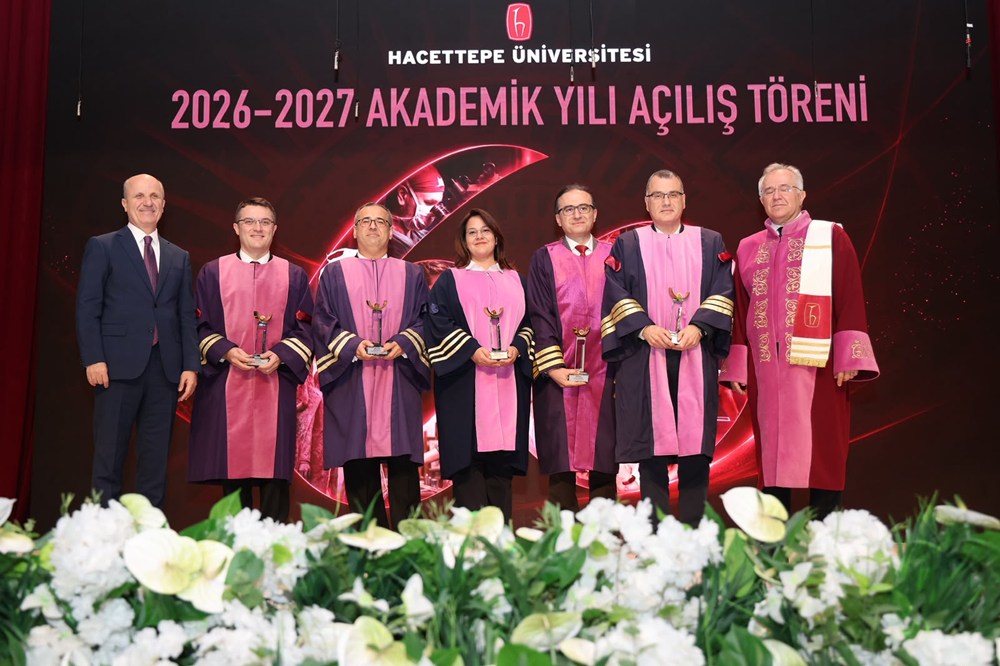
The event was attended by Ankara Chamber of Commerce President Gürsel Baran, academics, university administrators, and students. Scientific incentive awards were presented, and certificates were awarded to faculty members who had been promoted to professor.
Images
Images