


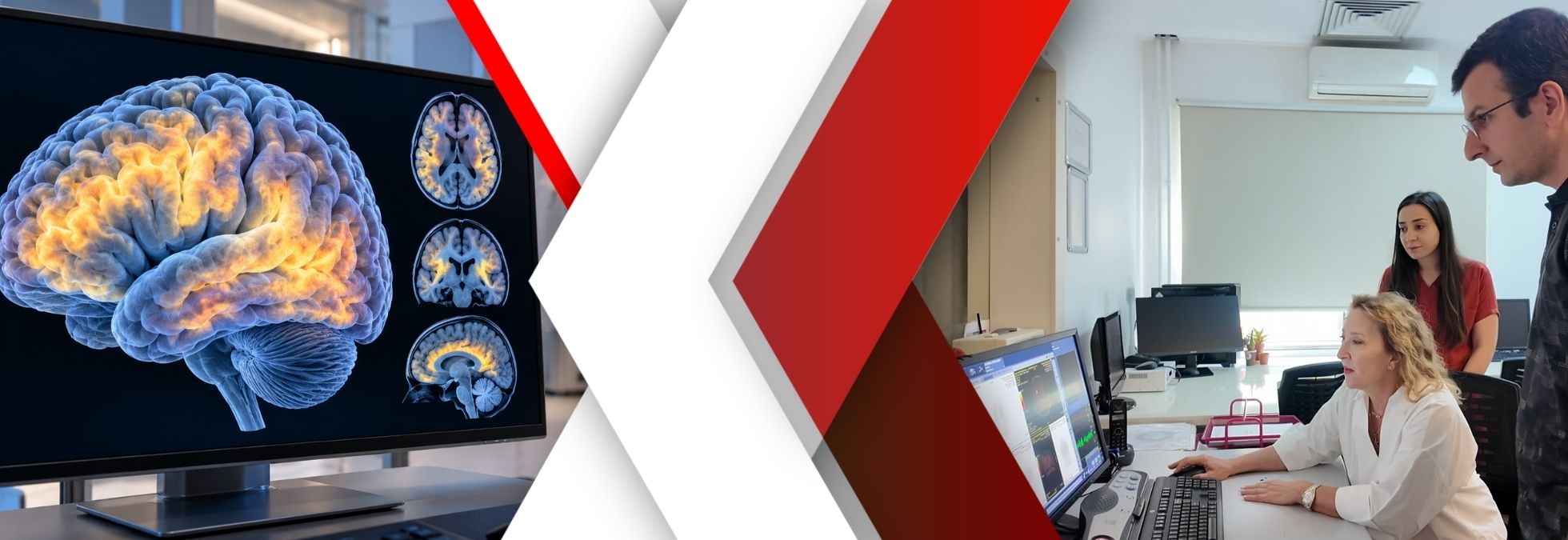
Türkiye Draws International Interest for Its Alzheimer’s Research
- Russian patient researching medical centers around the world chooses Gazi University for an Alzheimer’s assessment
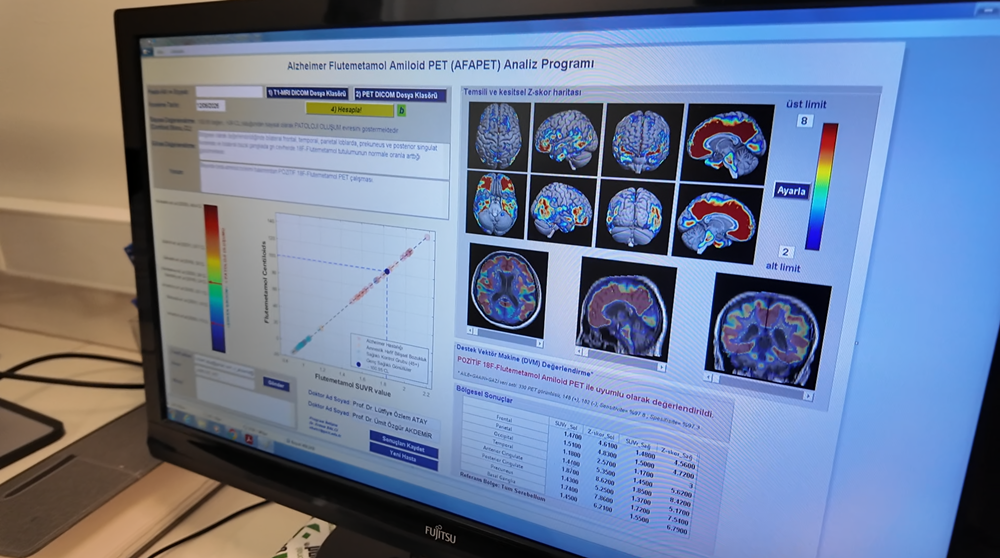
- Software developed at the university helps monitor the disease by quantifying the amount and distribution of Alzheimer’s-related protein deposits in the brain
- AI-powered analysis is being used in Alzheimer’s imaging
October 22, 2026
Gazi University’s work in Alzheimer’s disease research and imaging is attracting interest from international patients. A Russian patient and her daughter traveled from Moscow to Ankara and chose Gazi University for an Alzheimer’s assessment after researching medical centers in various countries, including Japan, South Korea, and Israel.
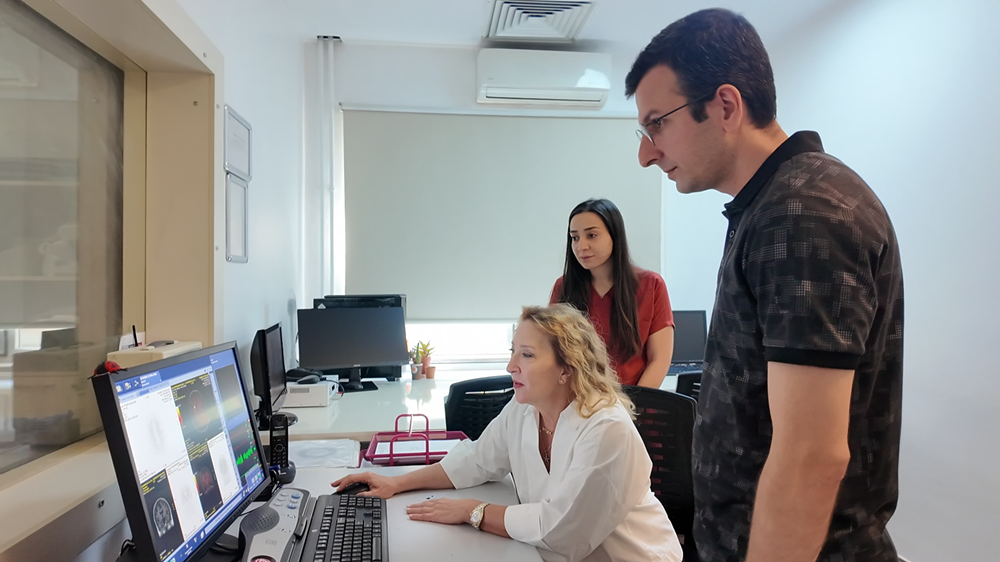
As part of the work conducted by the Department of Nuclear Medicine at Gazi University Faculty of Medicine, specialized software is used to measure the amount and distribution of amyloid, a protein that accumulates in the brain in association with Alzheimer’s disease. The resulting numerical data allow comparisons and follow-up assessments during subsequent evaluations.
The system, developed on the basis of the university’s more than 20 years of experience in brain imaging, also incorporates artificial intelligence and machine learning methods.
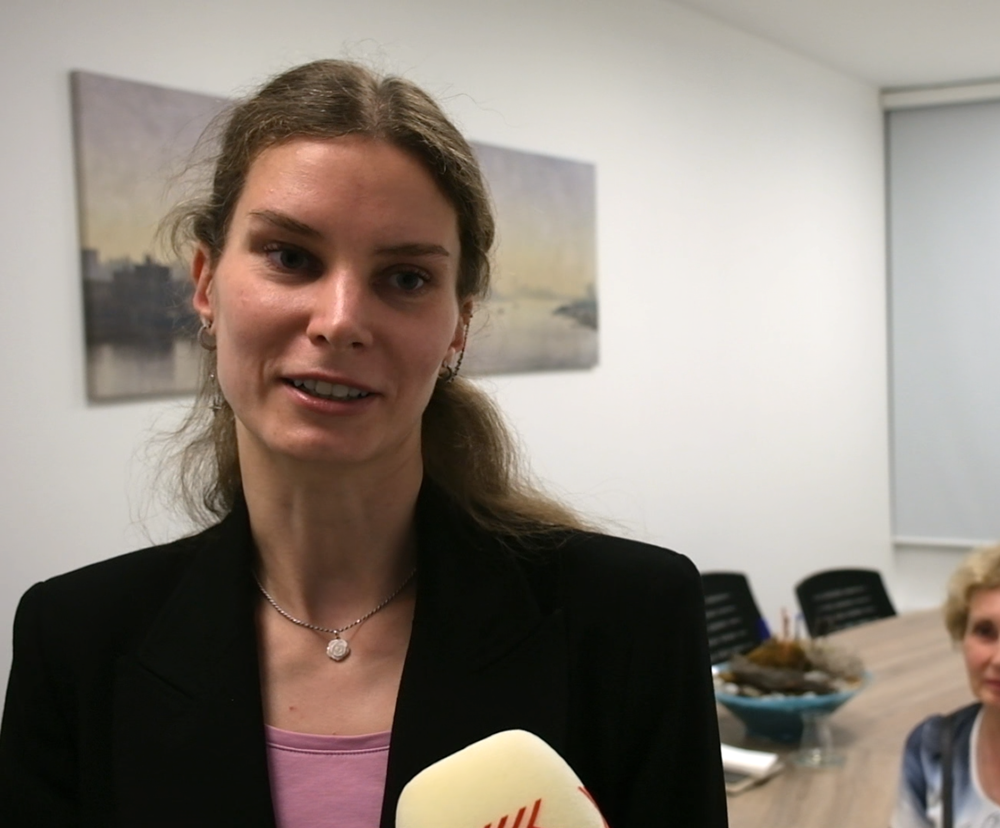
Angelina Stetsenko, who wanted to determine the cause of her mother’s speech and memory problems and obtain the necessary assessments before treatment, explained that she had researched healthcare centers in different countries and contacted their international patient offices.
Stetsenko said she had also used AI tools during her research. She noted that the information she received from Gazi University Hospital and its Department of Nuclear Medicine was among the most comprehensive and clear responses she had received, covering the radiopharmaceutical to be used, the duration of the procedure, and the report to be prepared.
Stetsenko said one factor in choosing Gazi University was that its system not only visualizes amyloid deposits in the brain but also quantifies their amount and distribution across different brain regions. She explained that having this information available for comparison during subsequent treatment assessments was important to them. Expressing her satisfaction with the assessment conducted at the university, Stetsenko said, “I would like to thank everyone for this valuable scientific work being carried out in Türkiye. I am truly very pleased with it, and I recommend it to others.”
- More Than 20 Years of Experience in Alzheimer’s Research
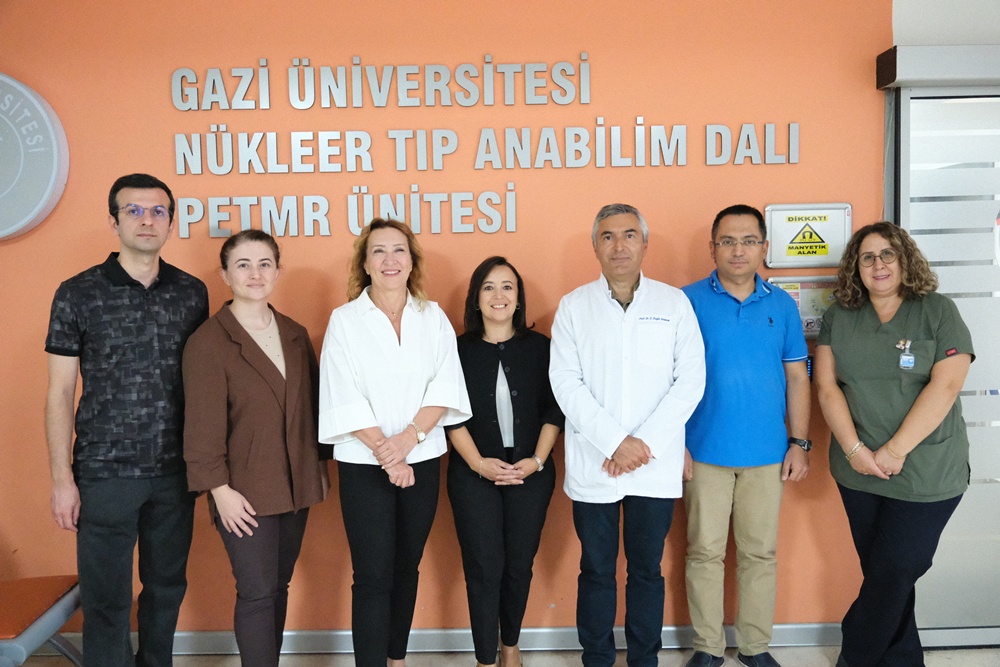
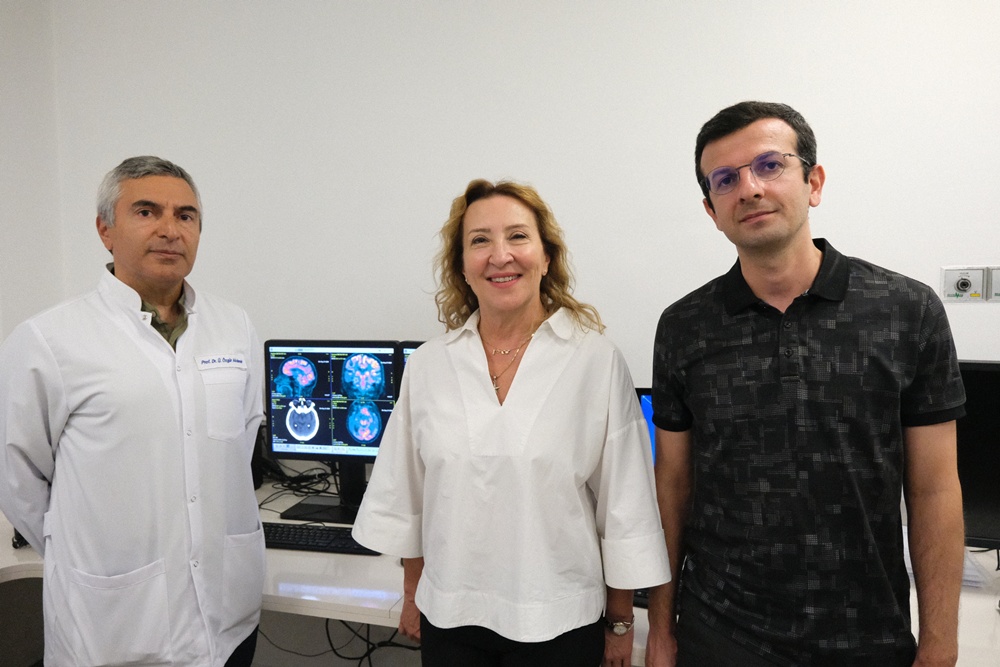
Prof. Lütfiye Özlem Atay, Head of the Department of Nuclear Medicine at Gazi University Faculty of Medicine, said the university had been conducting research on Alzheimer’s disease, Parkinson’s disease, epilepsy, brain tumors, and other forms of dementia for more than 20 years.
Atay explained that the university had combined this experience with quantitative analysis to develop software that calculates amyloid accumulation in the brain. She noted that changes associated with Alzheimer’s disease can begin years before symptoms appear.
Atay explained that most amyloid protein produced in a healthy brain is cleared, whereas in Alzheimer’s disease, the balance between production and clearance is disrupted, leading to the accumulation of the protein. She added that genetic and metabolic factors, as well as a person’s overall health, may influence this process.
Emphasizing the importance of collaboration among different medical specialties in assessing the disease, Atay said, “Universities are where we can bring all of these elements together in a single picture.”
- Türkiye’s First Amyloid PET Scan Was Performed at Gazi University
Prof. Ümit Özgür Akdemir, a faculty member in the Department of Nuclear Medicine at Gazi University Faculty of Medicine, noted that the university had a long-standing record of experience in brain imaging.
Akdemir explained that, since the installation of the university’s first PET/CT scanner, researchers had been using software and databases they developed themselves to identify abnormal areas in the brain. He said these methods, initially used for epilepsy, had gradually been adapted for Alzheimer’s disease and other neurodegenerative conditions.
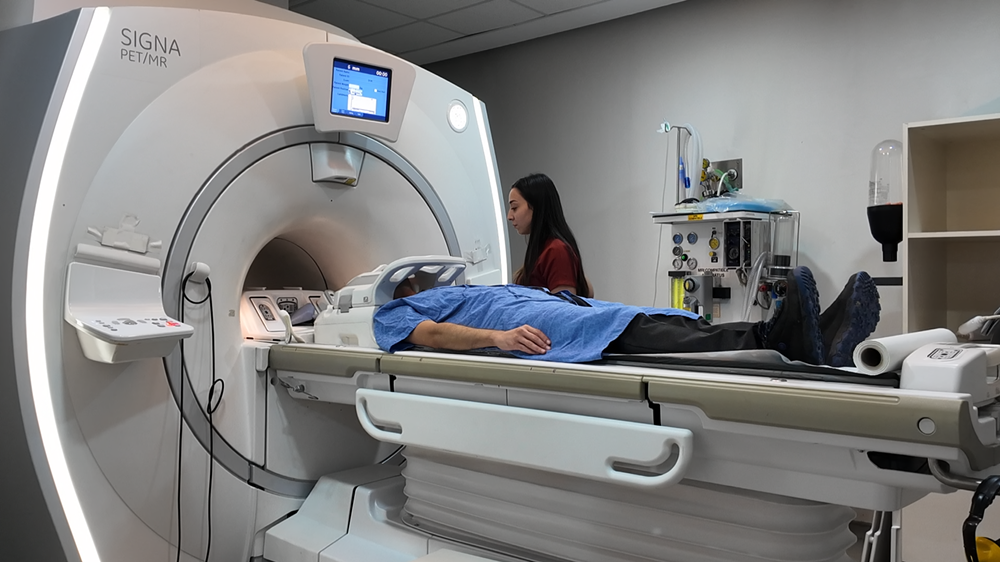
Akdemir stated that this expertise had also been applied to amyloid PET imaging. He noted that the procedure, which helps visualize disease-associated protein deposits in the brain, was first performed in Türkiye at Gazi University in 2022. “This is a world-class center for brain imaging,” he said.
- Quantitative Assessment Through AI-Powered Analysis
Dr. Erdem Balcı, a faculty member in the Department of Nuclear Medicine at Gazi University Faculty of Medicine, also emphasized the importance of evaluating imaging results in Alzheimer’s disease using standardized quantitative methods.
Balcı explained that artificial intelligence and machine learning methods had been integrated into the software developed by the team. He stated that the system, which is used to assess amyloid accumulation in different regions of the brain, achieves an accuracy rate of more than 98%.
Images
Images