


They Practiced Spiking in Their Minds First, Then Became World Champions
- In a joint study by NÖROM and Gazi University, the boys’ volleyball team of Ankara TVF Sports High School underwent mental training for six weeks.
- In addition to physical training, the athletes mentally rehearsed spiking and serving movements without physically performing them.
- Following mental training, increased activation was observed in brain regions associated with the hand and arm movements used in spiking and serving.
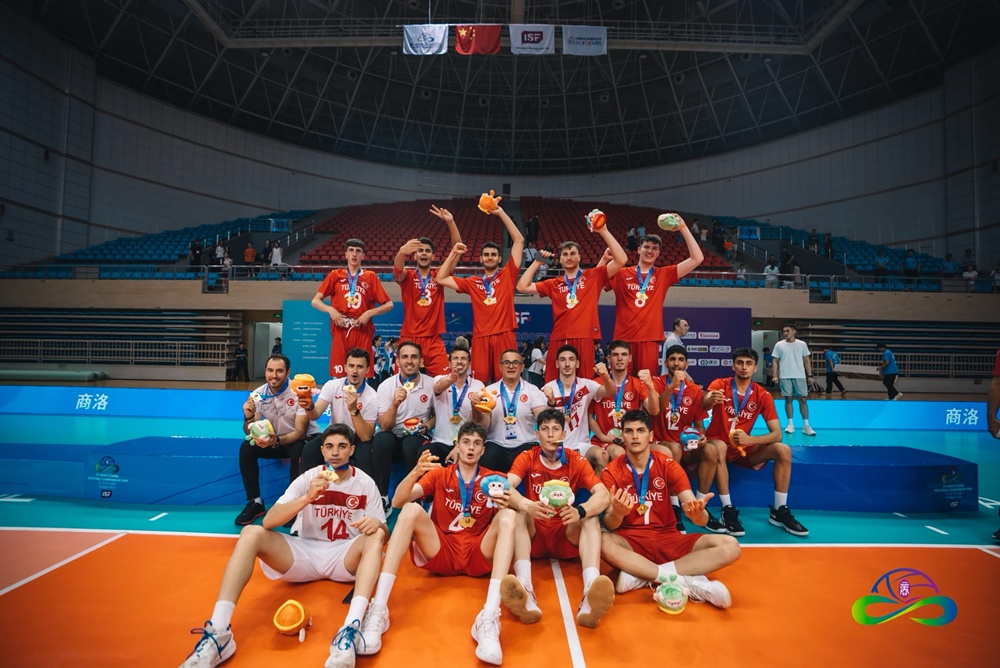
- After the study, the participating team became world champions at the World Schools Volleyball Championship held in China.
October 5, 2026
In a joint study conducted by the Neuroscience and Neurotechnology Center of Excellence (NÖROM) and Gazi University’s Faculty of Sport Sciences, the volleyball team of Ankara TVF Sports High School underwent six weeks of mental training. The team that participated in the study went on to become world champions at the World Schools Volleyball Championship held in China.
As part of the study, conducted approximately one year ago, the boys’ volleyball team of TVF Sports High School completed mental training three times a week for six weeks, following their physical workouts. Listening to audio recordings prepared by their coaches, the athletes visualized the smell of the gym, the crowd and the surrounding noise. They then mentally rehearsed every stage of spiking and serving, from foot positioning and jumping to arm movements and hitting the ball, without physically performing the movements.
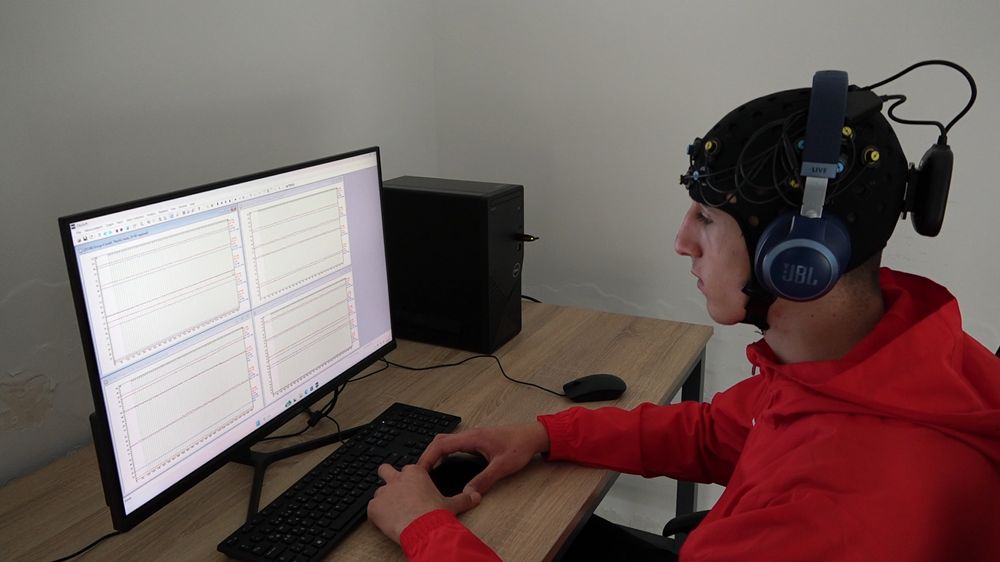
Brain recordings were taken before and after the training using functional near-infrared spectroscopy (fNIRS) at NÖROM. The results showed increased activation in brain regions associated with the hand and arm movements used in spiking and serving after the six-week program. The study also demonstrated for the first time in Türkiye, using fNIRS, that mentally rehearsing a movement produced changes associated with reorganization in the brain regions specific to that movement.
Mental training helps athletes stay focused during competition
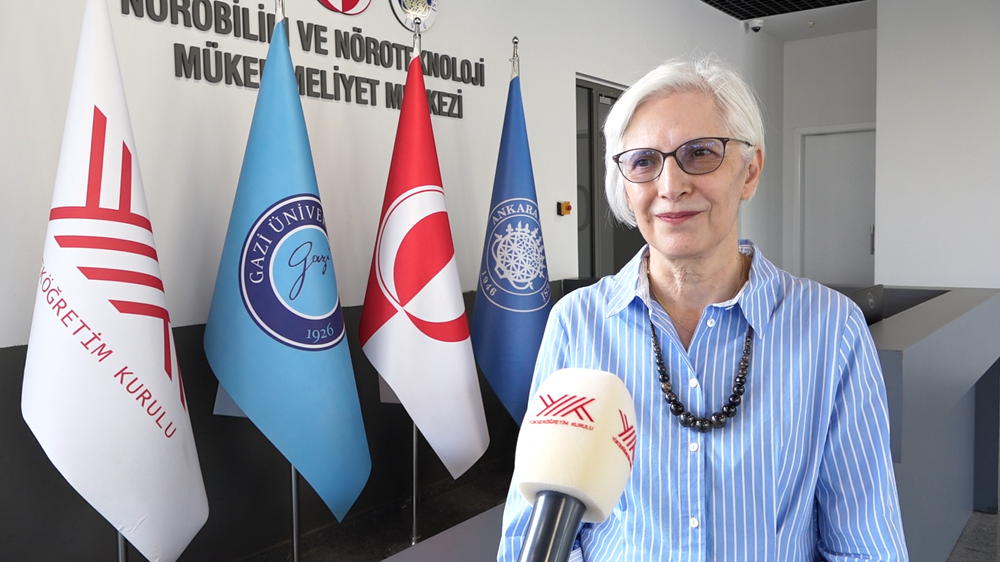
Prof. Özlem Orhan, a faculty member at Gazi University’s Faculty of Sport Sciences, said that alongside physical training, neurocognitive processes such as attention, reaction time, concentration and motor control played an important role in athletic performance.
Explaining that the study had been inspired by her own experience as an athlete, Orhan said, “When we were competing, our coaches would call out to us from the sidelines, saying, ‘Focus, concentrate!’ But we didn’t know how to focus. Athletes already train physically, so we decided to incorporate mental processes into their training as well.”
Orhan added, “These visualization exercises allow athletes to experience the performance in advance, so that when they step onto the court, they are fully prepared.”
World championship title follows six weeks of mental training
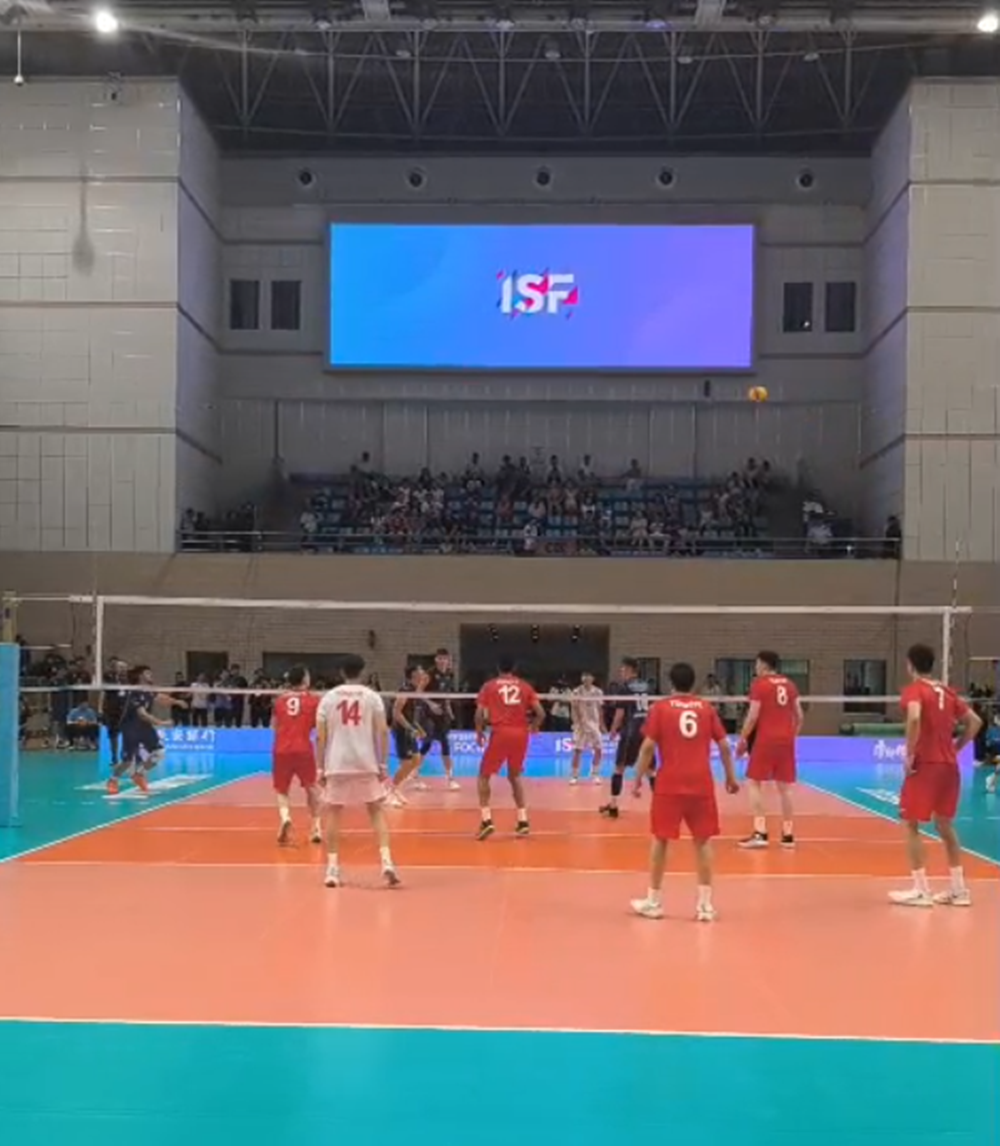
Following the six-week mental training program, the students who participated in the study competed in the World Schools Volleyball Championship organized by the International School Sport Federation (ISF) in China. The team defeated Greece in the final to become world champions.
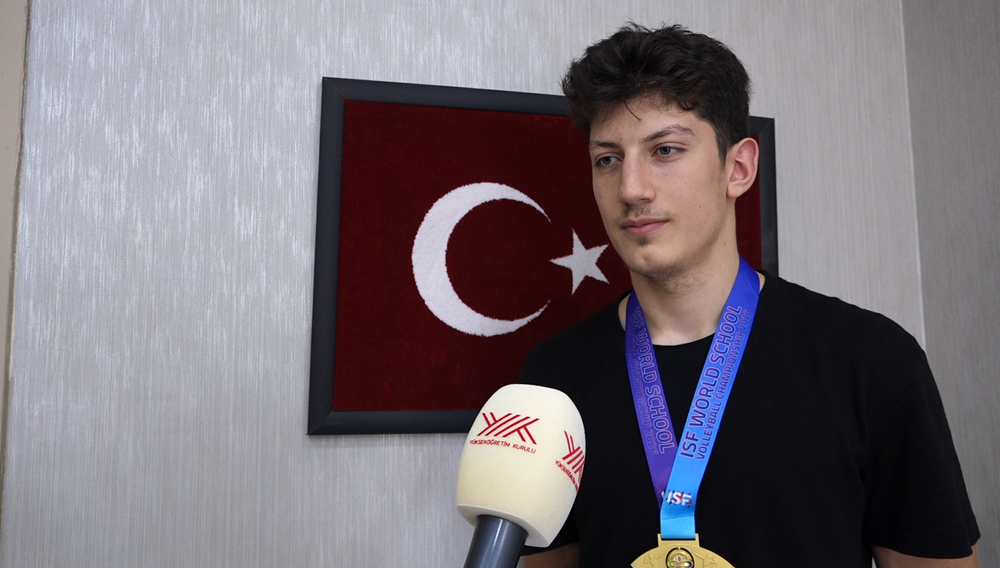
Tevfik Bulak, one of the athletes who graduated from high school this summer and earned a place in the Coaching Education program at Ankara Yıldırım Beyazıt University, said they had mentally visualized serving, defense, attacking and spiking movements throughout the process. “Mental training made a major contribution to our path to success. Believing is already half the battle,” he said.
The coach’s voice guided their mental training
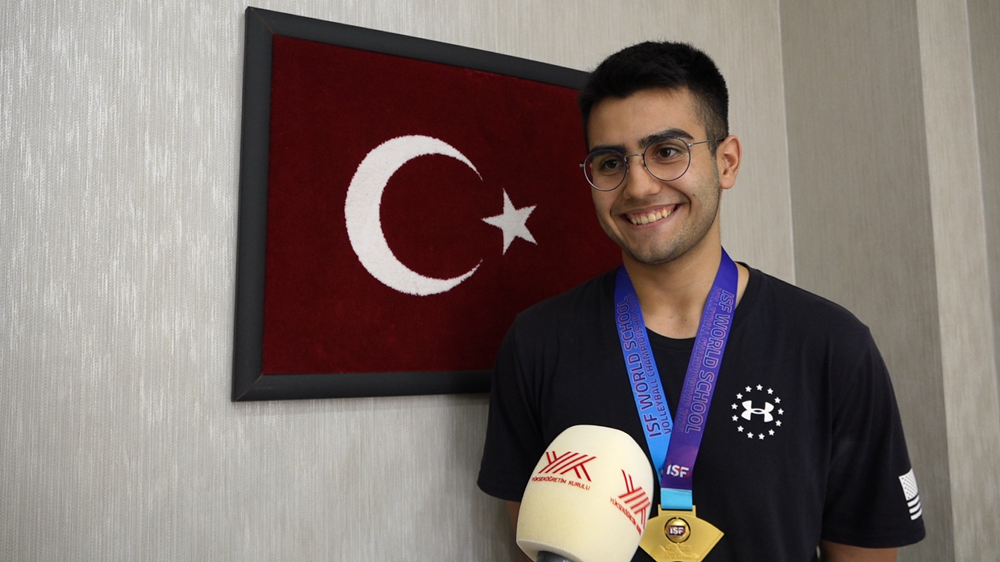
Tarık Erginay, who enrolled in the Coaching Training program at Hacettepe University, explained that the audio recordings prepared by their coaches included instructions designed to help them visualize the details of each movement. “The instructions included phrases such as, ‘Feel every step you take. Feel your feet against the court, feel your shoes, feel the tension in your muscles, and feel your arm extending,’” Erginay said.
He added that he believed mental training had boosted their self-confidence and reduced the number of errors they made on the court.
Ömer Taha Doğru, a student in the Coaching Education program at Ankara Yıldırım Beyazıt University, also described the process: “Our coach had an audio recording. He would tell us to feel our muscles, feel our steps, feel the serve we were making and where we wanted to direct the ball. We listened through headphones, closed our eyes and tried to visualize everything in our minds. This also helped us perform effectively on the court.”
Study demonstrates for the first time in Türkiye, using fNIRS, changes in movement-specific brain activation
Prof. Hayrunnisa Bolay Belen, a member of the CoHE Executive Board and a neurologist, said mental training could make a significant contribution to physical training. She explained that mentally rehearsing a movement could support reorganization in the brain regions associated with that specific action.
Belen noted that when a person mentally rehearses a movement, the brain regions specific to that action become engaged. As connectivity between these regions increases, the brain becomes better prepared to perform the movement.
She explained that this process could be described as brain reshaping and reorganization. Belen added that the pilot study was planned to continue with larger groups and athletes from different sports, and that the method could also be adapted for rehabilitation, in addition to sports.
Increased activation in brain regions associated with spiking and serving movements
Asst. Prof. Merve Sevgi İnce, a researcher at NÖROM, said the athletes had completed mental training three days a week for six weeks using audio recordings made by their own coaches. Brain recordings were taken using fNIRS both before and after the program.
“After six weeks of training, we found increased activation in the brain regions directly associated with the movements the volleyball players had practiced, specifically the areas corresponding to the arms and hands used in spiking and serving,” İnce said.
Explaining what distinguished the study from previous research, İnce said the team had identified the specific anatomical regions where the increased activation occurred. Earlier studies had detected general increases in brain activation, whereas this study demonstrated that the increase took place in regions associated with hand and arm movements.
Athletes entered universities through a system that rewards achievement
Following their world championship victory, some of the athletes secured places at universities through a special admissions quota provided by the Council of Higher Education to recognize athletic achievement.
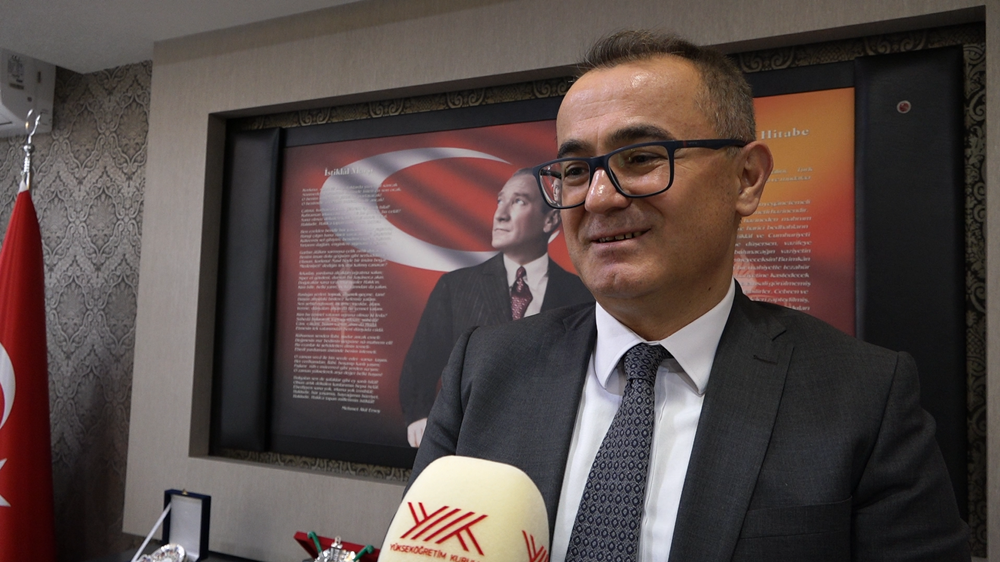
Mehmet Tuna, principal of TVF Sports High School, said the school placed importance on students’ cognitive development as well as their athletic progress. He noted that approximately 60 students, including the group that became world champions, had participated in the study conducted in collaboration with Gazi University’s Faculty of Sport Sciences and NÖROM.
Tuna said the university admission opportunities provided by CoHE to successful athletes served as an important source of motivation for students. “Our world champions and the team that finished third in the world secured university places through the system established by the Council of Higher Education to reward achievement. We explained to these students that this was a reward that went beyond the medal itself,” he said.
Images

Images