


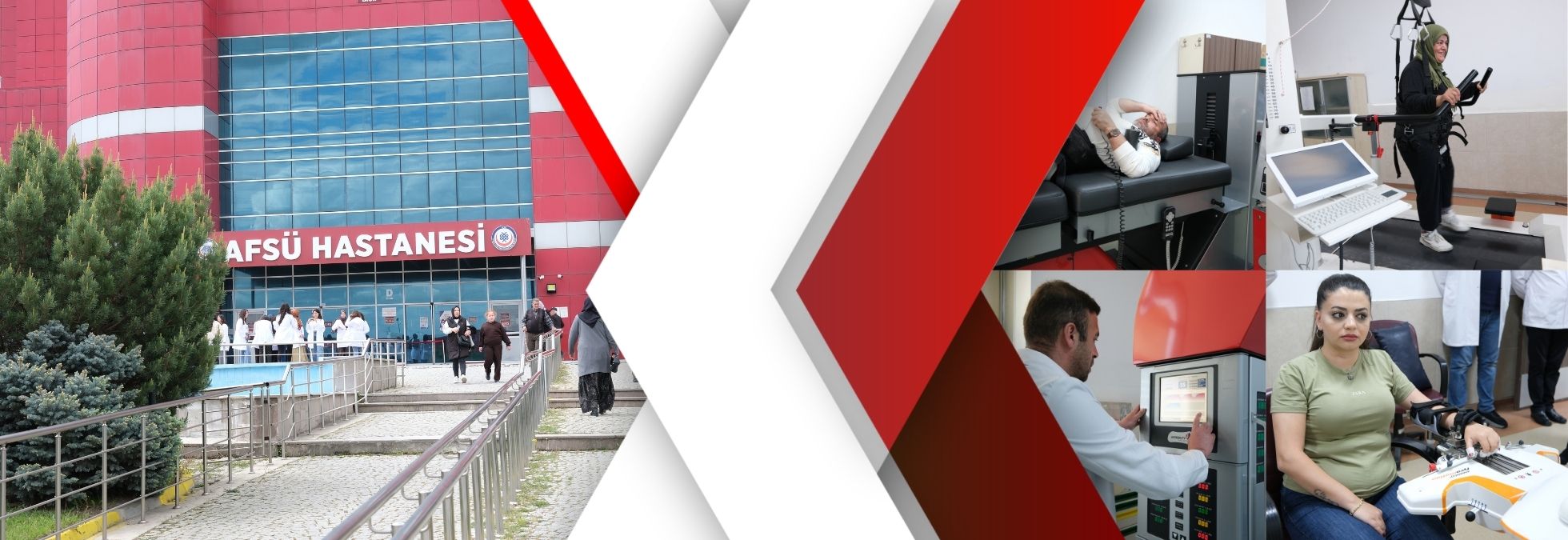
Thermal Water Becomes Part of Treatment at University Hospital
- At Afyonkarahisar Health Sciences University, thermal water, robotic systems and modern rehabilitation methods provide treatment to patients from across Türkiye
- The center serves nearly 600 patients a day while offering students a broad range of clinical experience
- AFSÜ Rector Aslan: “We want to turn this facility into a center for international health tourism”
October 2, 2026
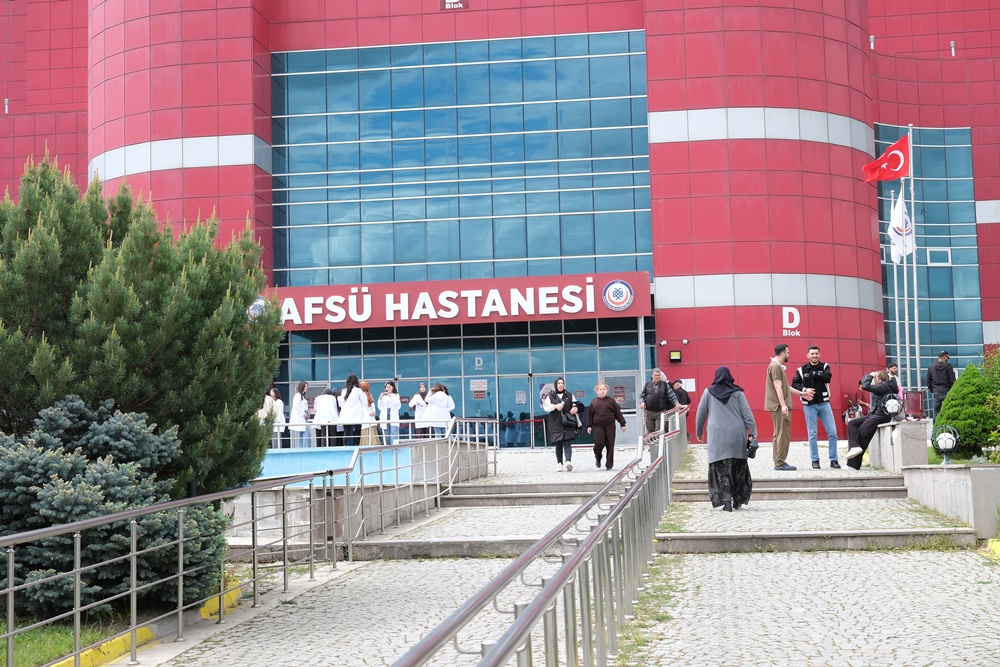
The Physical Therapy and Rehabilitation Hospital at Afyonkarahisar Health Sciences University (AFSÜ) continues to provide treatment to patients from across Türkiye through aquatic rehabilitation using thermal water, robotic systems and its extensive patient capacity.
Modern methods used in both neurological and orthopedic rehabilitation help patients improve their functional abilities, while the supportive therapeutic environment provided by thermal water contributes to their recovery. Students enrolled in health-related programs at the university also gain experience across a wide range of clinical settings.
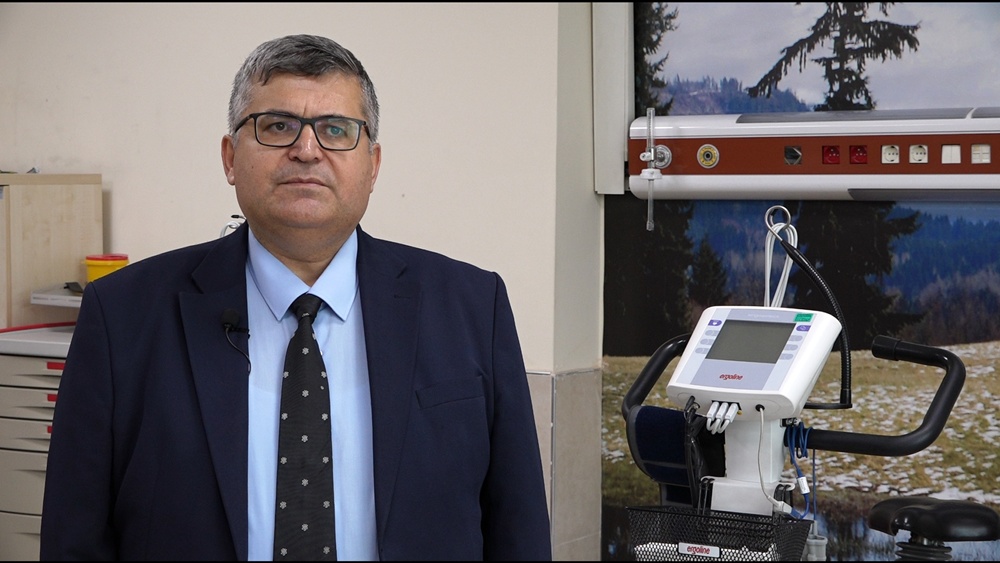
Prof. Ümit Dündar, Head of the Department of Physical Medicine and Rehabilitation at the hospital, said the center receives strong demand from patients throughout Türkiye. “Patients from all over Türkiye, from Edirne to Ardahan, seek treatment at this hospital,” he said. Highlighting the importance of thermal water in treatment, Dündar added, “We harness the power of water in treatment.”
- Water supports 75 percent of body weight
Dündar explained the benefits of aquatic exercises, saying, “When patients enter the water, 75 percent of their body weight is supported by the water, allowing them to move as if they were in space, in a virtually weightless environment.”
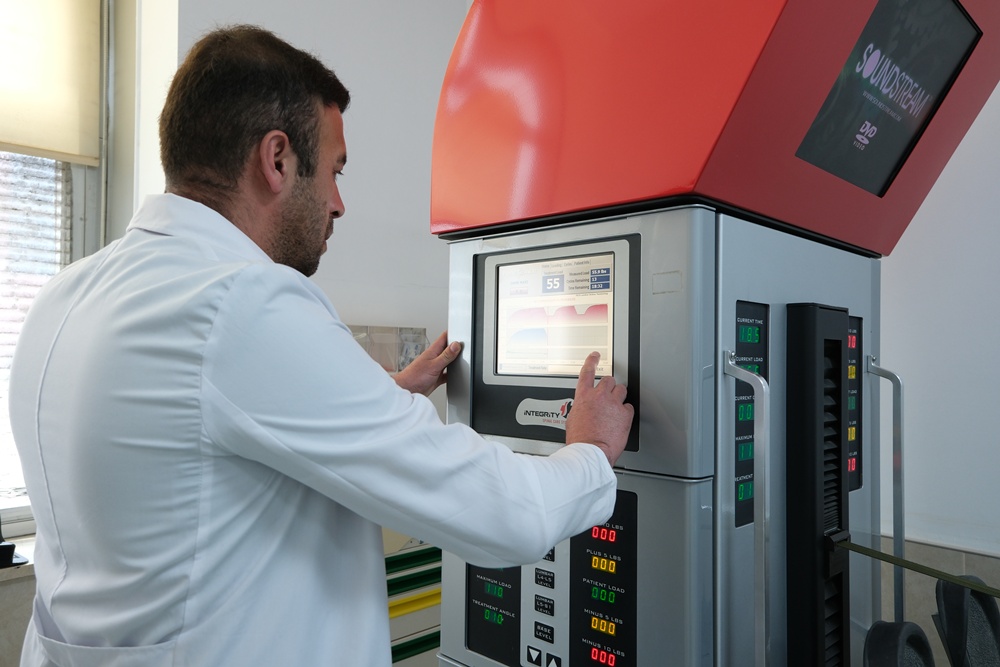
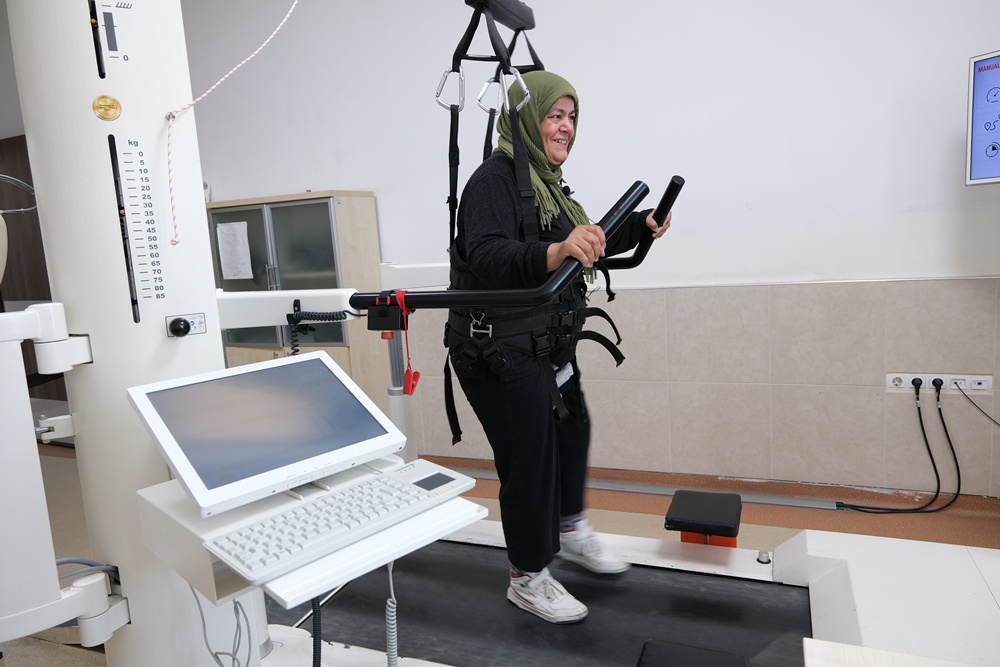
He emphasized that, in addition to aquatic rehabilitation, thermal spa treatments also make an important contribution to patient recovery. Discussing the technological systems used at the center, Dündar noted that robotic walking devices and virtual rehabilitation applications help increase patients’ motivation and engagement in treatment. “They boost our patients’ motivation and increase their participation in rehabilitation,” he said.
- Clinical expertise and technology combined in nonsurgical treatment
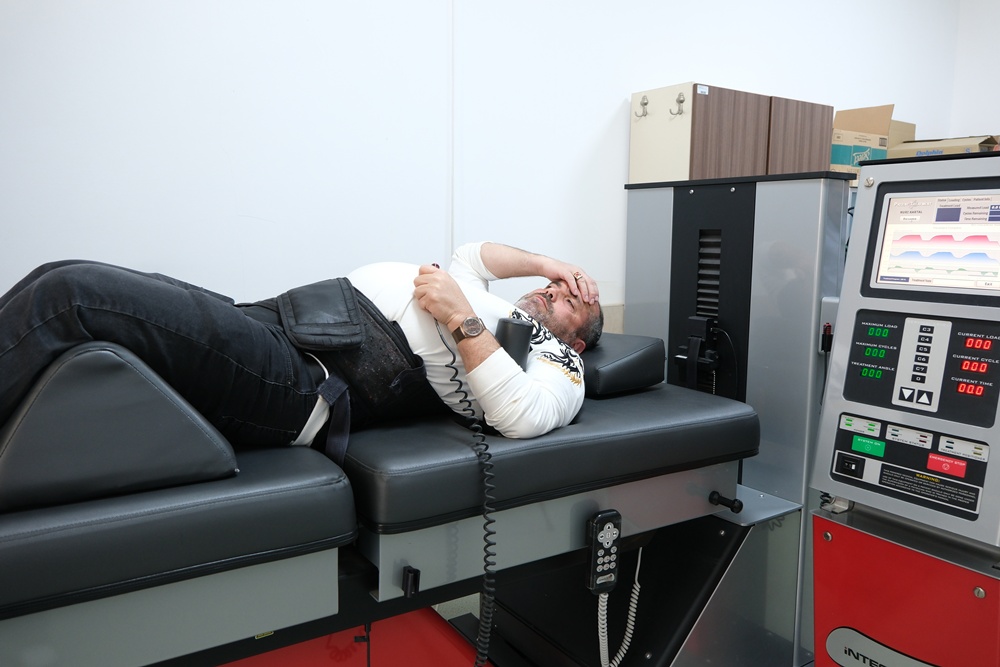
Assoc. Prof. Nuran Eyvaz said the hospital offers nonsurgical treatment options for patients with herniated discs in the lower back and neck.
“As a unit, our faculty members, physiotherapy team, physical therapy technicians and equipment work together to plan the most effective treatment possible for each patient. We combine our advanced equipment with the clinical experience built up here over many years to help patients achieve the greatest possible benefit,” Eyvaz said.
Specialist Physiotherapist Zehra Aykutlu highlighted the amount of time patients spend exercising as one of the hospital’s main distinguishing features.
“In many hospitals, physical therapy and rehabilitation sessions are generally limited to one hour. That is not the case at our hospital. When patients come here, they can spend approximately half a day exercising across our various departments. This increases the success rate of physical therapy,” she said.
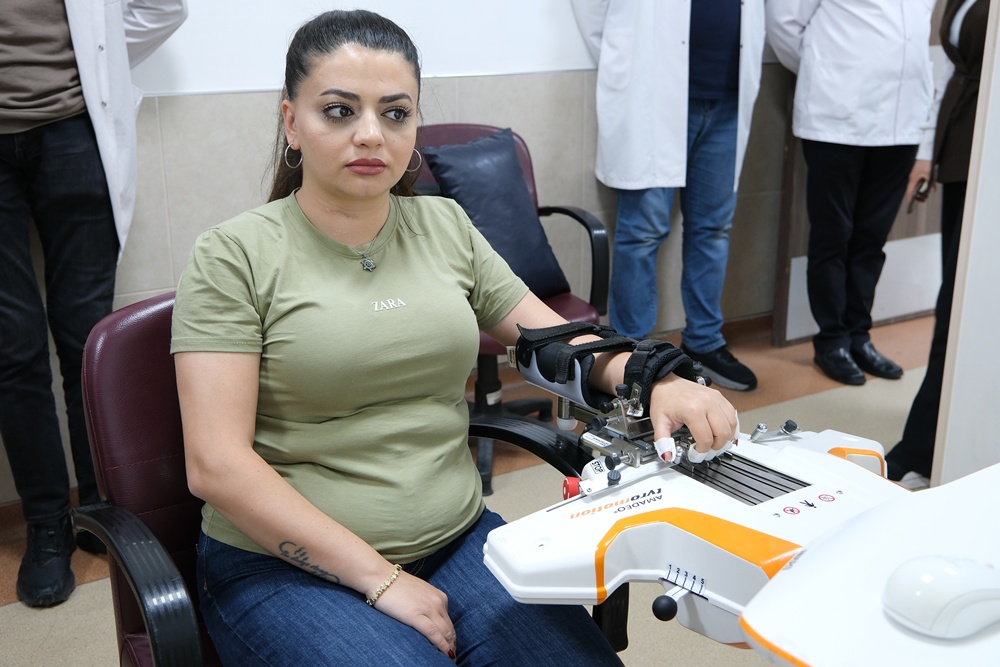
Aykutlu added that patients benefit from an integrated range of services, including thermal spa treatments, virtual rehabilitation, hand robotics and fitness facilities.
- Patients carry their gains into everyday life
Betül Yoğurtçu, an office employee diagnosed with cerebral palsy who is receiving treatment at the hospital, said the process had brought significant changes to her life.
“I am now actively practicing Muay Thai. During my treatment at the hospital, I also had the opportunity to learn how to swim. The treatment has brought many wonderful benefits to my everyday life,” she said.
Another patient described the progress made during treatment: “At first, I was bedridden. Now I can walk on my own and use the bathroom. I have made tremendous progress. They take very good care of me.”
İsmail Urak, who is also receiving treatment at the university hospital, said he had started walking again through physical therapy after a difficult recovery following a workplace accident.
“I had no movement below my waist. Thanks to physical therapy and my own efforts, I am now trying to walk again. I am working toward getting back to the good days I had before,” he said.
Another patient, Ender Oğuz, said he had sustained spinal cord paralysis following an ATV accident and had made significant progress during rehabilitation.
“Since the day we started physical therapy, I have regained my sitting balance. Then we started standing with assistive devices, and I am making very good progress,” he said.
Hidayet Küçük, who continues to receive treatment at the university hospital, shared his experience:
“I realized that this hospital has doctors of the kind Atatürk referred to when he said, ‘Entrust me to them.’ I came to understand this and believe it. Both the staff and my professors have shown me great care, and I am very pleased. When I first arrived, I could take two steps before falling. Now, after more than a month, I can walk comfortably.”
Ebru Türkeş, who suffered severe paralysis following a herniated disc in her neck, described her lengthy treatment and recovery.
“I had surgery for a herniated disc in my neck. Afterwards, I was paralyzed from the neck down, affecting both my arms and both my legs. That is how I arrived here. I have been receiving treatment for two years. Thankfully, my legs and arms have recovered. I can also use one of my hands, and I no longer have any problems. The Health Sciences University Hospital has been a turning point in my life—a new beginning. I am truly grateful to this hospital and owe it so much. I would like to extend my heartfelt thanks to the hospital and all its staff,” she said.
- Technological infrastructure also supports specialist training
Ülkü Demir, who works in AFSÜ’s Department of Physical Medicine and Rehabilitation, highlighted the center’s strong academic and technological infrastructure. She emphasized that facilities such as hydrotherapy, robotic systems and virtual rehabilitation contribute to both patient treatment and education, particularly specialist training.
“The large number of beds and outpatient clinics, our advanced units, and the variety of services we offer—including hydrotherapy, thermal spa treatment and cardiorespiratory rehabilitation—attract patients from many different provinces. We also have a range of advanced technological equipment, including TMS, a hand robot, virtual rehabilitation systems and a walking robot. These facilities allow us to treat a diverse patient population with a wide range of needs, helping us develop the experience required to become specialists,” she said.
- Thermal water is also used to heat the campus
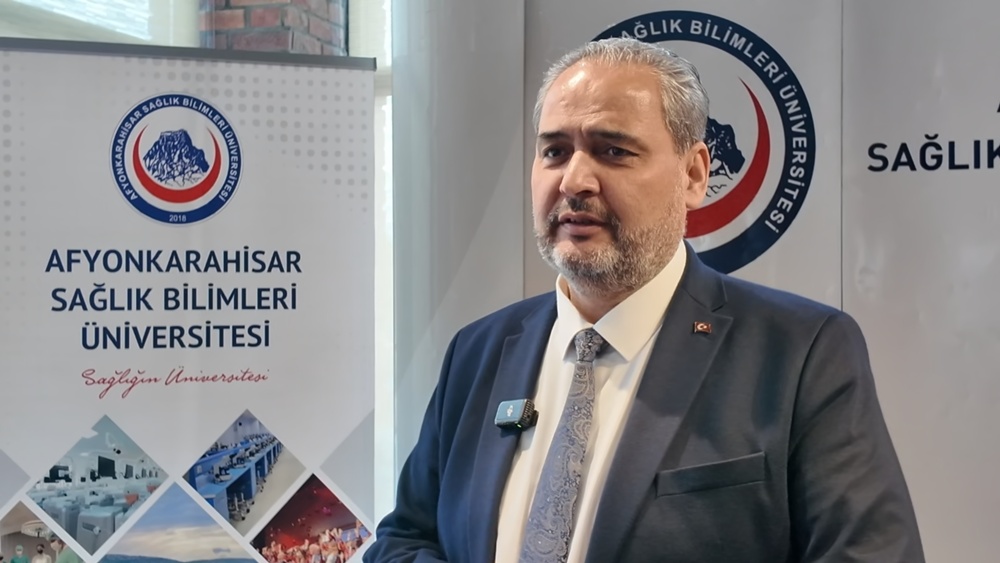
AFSÜ Rector Prof. Adem Aslan discussed the center’s capacity and the role of thermal water in treatment.
“We serve nearly 600 patients a day. We also provide free daily transportation for patients living in central Afyonkarahisar who need rehabilitation, bringing them to the hospital and taking them home free of charge after their treatment. This enables us to serve more patients,” he said.
Aslan noted that both the temperature and mineral composition of thermal water make an important contribution to rehabilitation. “Our hospital is equipped with robotic systems and many other rehabilitation technologies used around the world. We want to unlock the full potential of this facility and turn it into a center that generates high added value and provides international health tourism services. We use thermal water not only for rehabilitation but also for heating. Our entire campus is currently heated using thermal water,” he said.
Rector Aslan added that new investments in health tourism and projects based on thermal water would increase the center’s capacity. He also emphasized that the university had established a model that could serve as an example for thermal rehabilitation in Türkiye.
“When we consider our modern infrastructure, the use of thermal water and our extensive experience together, we are a leading brand in Türkiye,” Aslan said.
Images
Images