


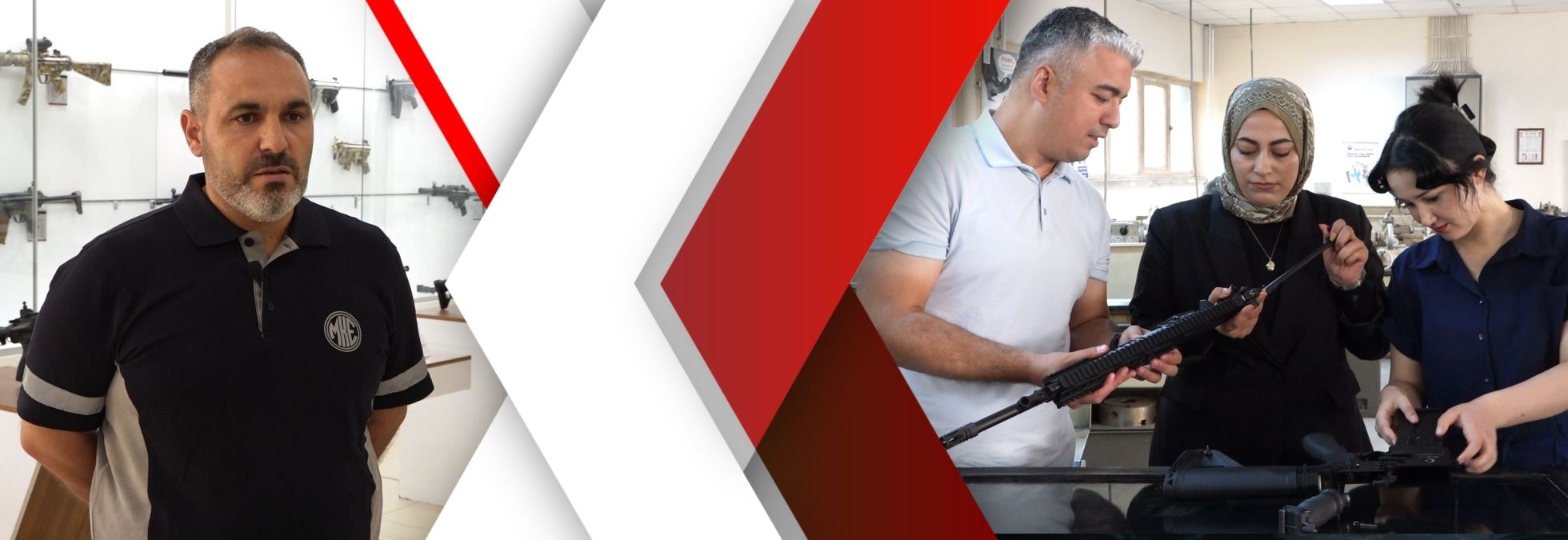
Rising Career in Defense Industry: Weapons Industry Technician Training
- Investments in Türkiye’s domestic and national defense industry are increasing the demand for qualified technical personnel
- Students enrolled in the Weapons Industry Technician Training Program at Kırıkkale University’s Vocational School are preparing for careers in the sector through theoretical and hands-on training in weapons systems, manufacturing technologies, computer-aided design and manufacturing, ballistics, quality control, and maintenance and repair
- CoHE President Erol Özvar: “As the Council of Higher Education, we remain firmly committed to supporting programs that train the technical specialists needed by the industry”
August 6, 2026
Türkiye’s progress in its domestic and national defense industry in recent years has increased the need for qualified technical personnel who will work in the sector. The Weapons Industry Technician program, which trains the technical human resources needed by the defense industry, is emerging as one of the careers of the future thanks to its hands-on training model and broad employment opportunities.
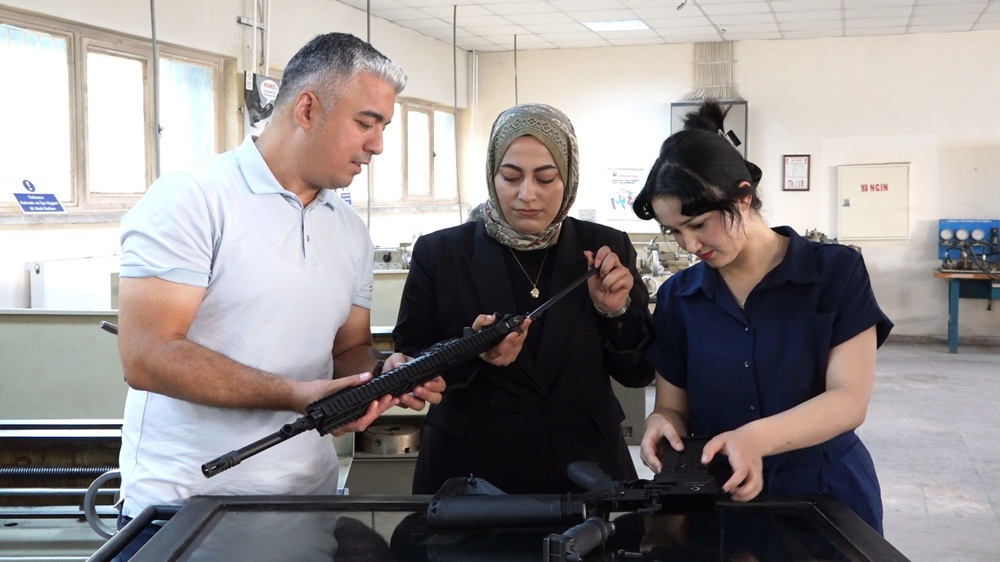
Students enrolled in the Weapons Industry Technician Training Program at Kırıkkale University’s Vocational School are preparing for careers in the sector through theoretical and hands-on training in weapons systems, manufacturing technologies, computer-aided design and manufacturing, ballistics, quality control, and maintenance and repair.
After graduation, students have opportunities to work in various positions at defense industry companies, public institutions, and private-sector organizations.
- Demand for technical personnel is increasing
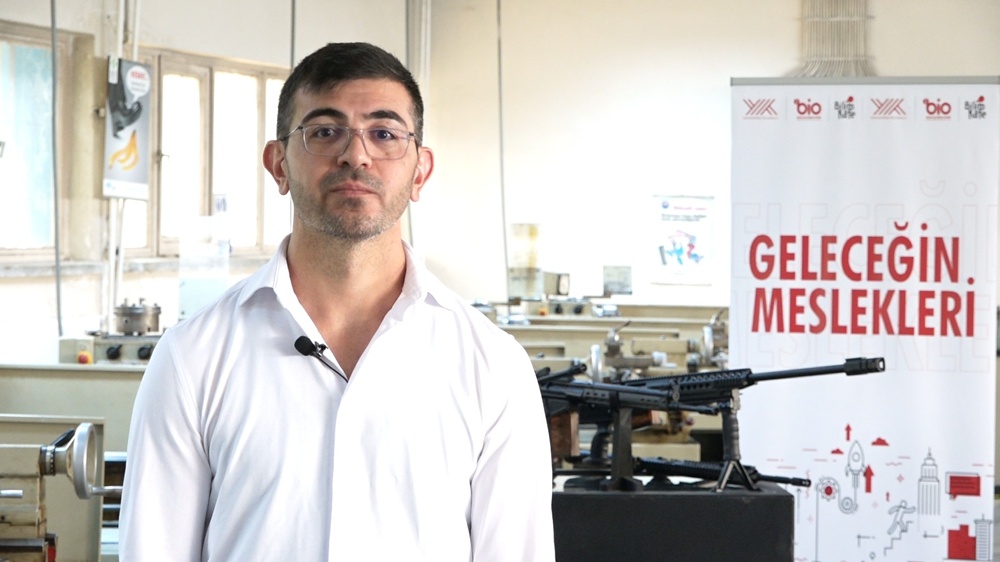
Ali Can Yakın, a lecturer in the Weapons Industry Technician Training Program at Kırıkkale University’s Vocational School, said the defense industry is of strategic importance to all countries and noted that Türkiye has significantly increased its investments in the sector in recent years.
Yakın said the demand for technical personnel has also increased in parallel with the growth of the defense industry, adding, “Investments in this field will continue in the coming years. Therefore, the need for qualified technical personnel will continue to grow.”
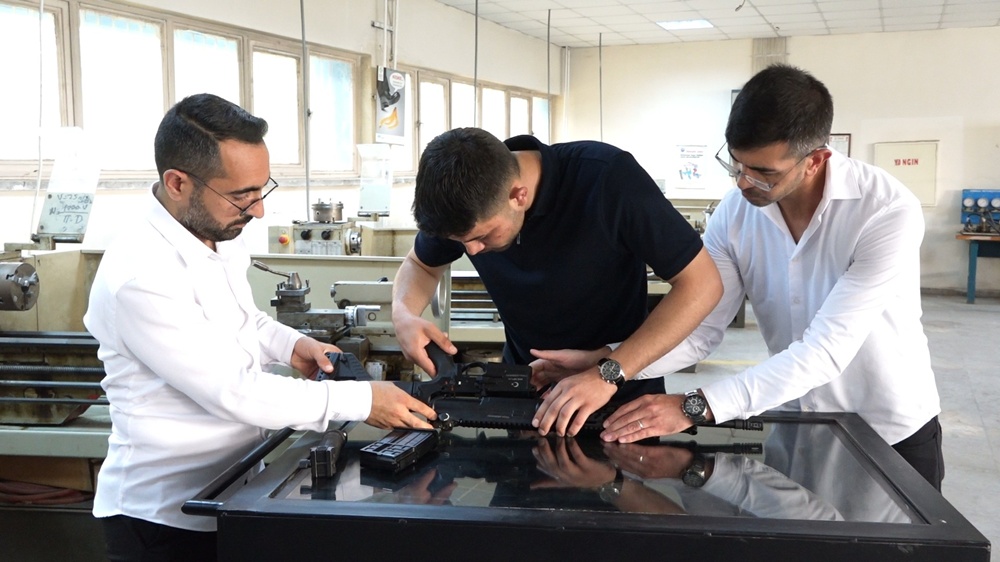
Yakın said students take courses such as weapons systems, maintenance and repair, computer-aided design and manufacturing, CNC technologies, technical drawing, materials science, and ballistics during their education, adding that hands-on training prepares students directly for working life.
- Artificial intelligence and digital manufacturing processes are transforming the industry
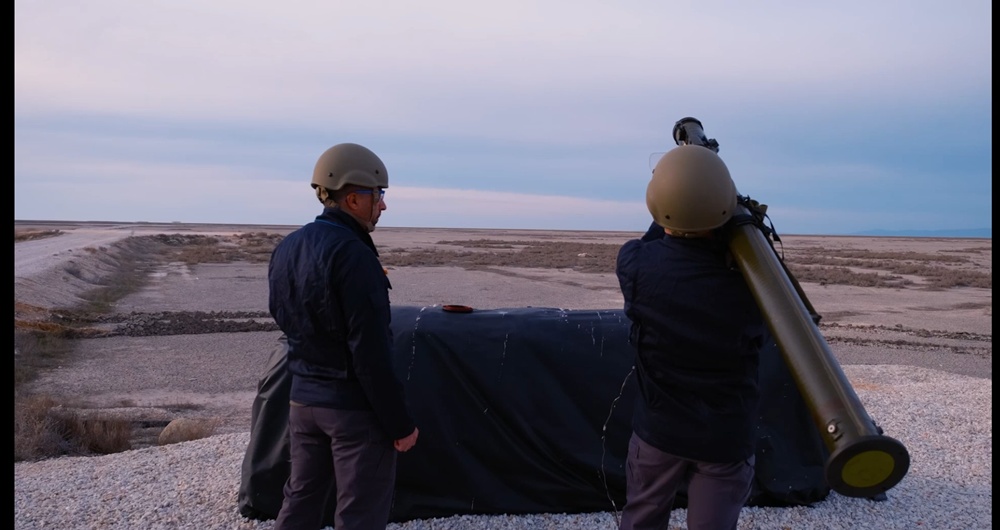
Emphasizing that the defense industry is constantly evolving alongside technological advances, Yakın said AI-powered manufacturing systems, autonomous technologies, and digital manufacturing processes are ushering in a new transformation across the sector.
Yakın stressed the importance of young people pursuing careers in the field developing their skills in computer-aided design and manufacturing, technical drawing, materials science, and teamwork. He added that the defense industry is a dynamic field that requires a disciplined work culture.
- “We combine theory with practice”
Halit Korkmaz, a student in the program, said he chose the field because of his interest in the defense industry, adding that hands-on training and internships have made a significant contribution to his professional development.
Korkmaz said the experience they gain in computer laboratories and workshops gives them an advantage in the field, adding that learning technical drawing and three-dimensional design software is highly important for professional development.
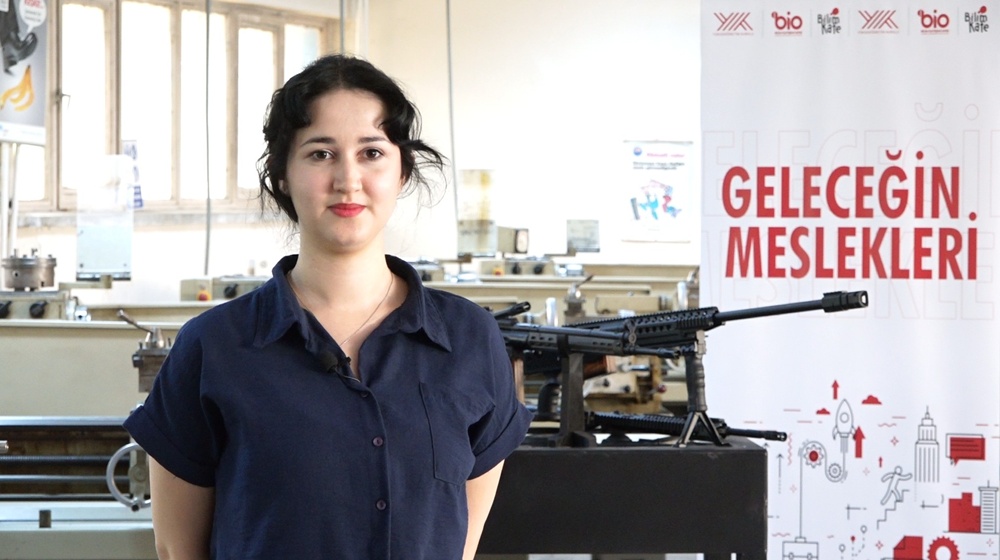
Büşra Aktaş, a graduate of the program, said the technical drawing, CAD/CAM, quality control, and hands-on workshop training she received during her education made it easier for her to adapt to working life.
Aktaş said she began working for a defense industry company operating within the university’s technopark while she was still a student and continued her career in the same sector after graduation. She noted that women can successfully work in the defense industry with their knowledge, discipline, and technical expertise, and said female students should have confidence in themselves when pursuing careers in the field.
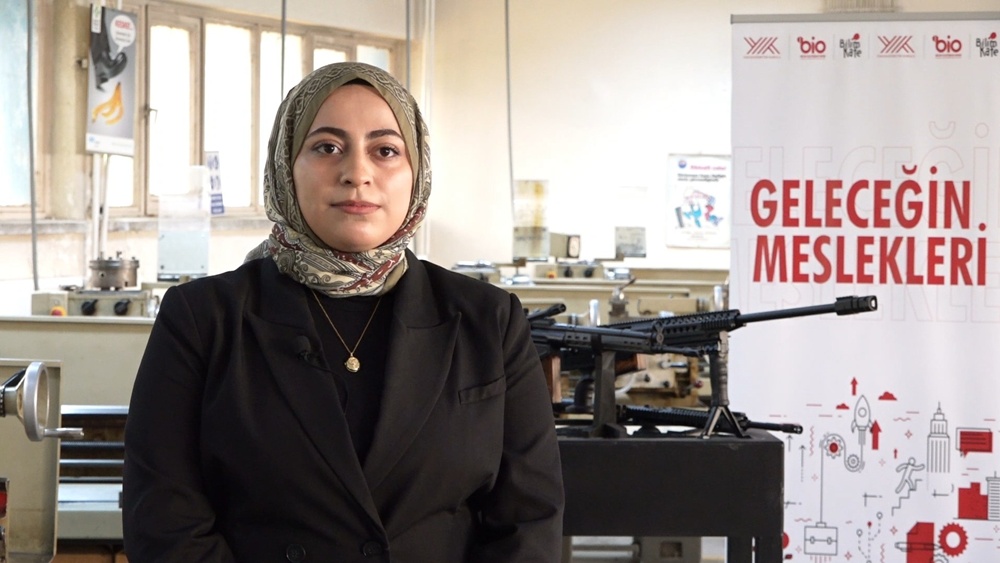
Fatma Yalçın, another graduate, said hands-on training provides a significant advantage when transitioning into working life.
Yalçın noted that women are increasingly taking on roles in the defense industry and that female employment in technical fields is growing year by year.
- “A serious need for mid-level technical personnel has emerged”
Cengizhan Türk, Engineering and R&D Manager at the Machinery and Chemical Industry (MKE) Weapons Factory, said the number of companies operating in the defense industry is increasing each year and that the demand for qualified mid-level technical personnel is growing accordingly.
Türk said the Weapons Industry Technician Program would play an important role in meeting this need, adding, “With the growing number of companies in the defense industry, a serious need for mid-level technical personnel has emerged. One of the goals is to meet a significant portion of this need with our colleagues who will graduate from the Weapons Industry Technician Training Program.”
Emphasizing the importance of students gaining a strong theoretical foundation during their university years and developing the ability to apply this knowledge in practice, Türk said graduates can take on roles at MKE, particularly in design processes.
“At MKE, we design various weapons systems, from infantry rifles and machine guns to sniper rifles. Computer-aided modeling programs are used in these processes. Graduates of the Weapons Industry Technician Training Program can also take part in these design and manufacturing processes,” Türk said.
Advising students to make the most of their university years, Türk said, “Once you finish university, accessing knowledge becomes much more costly. I recommend that our students make the most of the expertise of the academics in their fields and continue to develop themselves.”
Türk added that the defense industry requires not only technical knowledge but also an interest in the profession and a willingness to learn, noting that students who choose to pursue education in this field should maintain their curiosity and continuously develop their skills to achieve professional success.
- The industry prefers graduates with hands-on experience
Gökhan Ünlü, co-founder of Güzeltepe Makine ve Savunma Teknoloji, a company operating at Kırıkkale University Technopark, said the demand for qualified technical personnel has increased in parallel with the growth of the defense industry.
Ünlü said that when recruiting, they place importance not only on technical knowledge but also on practical experience, the ability to operate CNC machines, technical drawing skills, proficiency in CAD/CAM software, knowledge of quality control, and foreign-language skills.
Ünlü said students who gain internship and part-time work experience during their university years adapt more quickly to working life after graduation. He added that the defense industry will continue to evolve alongside artificial intelligence and digital manufacturing technologies and that the need for graduates of the Weapons Industry Technician Training Program is therefore expected to increase further in the coming years.
- “99.5 percent are graduates of Turkish universities”
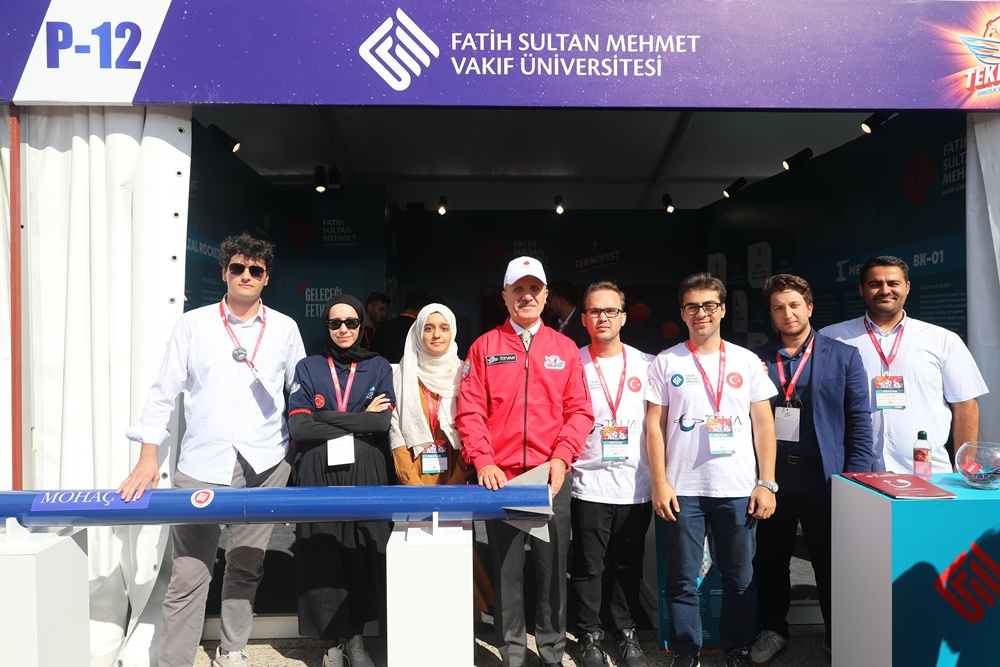
CoHE President Erol Özvar said the qualified human resources needed by the defense industry are being trained at Turkish universities.
“Of the 42,000 employees working at the five major companies in our defense industry, including ASELSAN and TUSAŞ, 99.5 percent are young people who graduated from Turkish universities. Moreover, these young people did not graduate from just a handful of universities; they come from 158 universities. This picture clearly demonstrates the capacity of our higher education system to train qualified human resources for our country’s strategic sectors,” Özvar said.
Emphasizing that sustainable success in the defense industry depends on qualified human resources, Özvar said, “As the Council of Higher Education, we remain firmly committed to supporting programs that train the technical specialists needed by the industry. Our universities will continue to train the technicians, engineers, and researchers who will build the future of our defense industry.”
Images






Images