


Özvar Delivers Opening Lecture at Classical Thought School Academic Camp
Classical Thought School Academic Camp Begins in Konya
CoHE President Özvar examines manuscript production in the Ottoman Empire in his opening lecture:
“In the 17th and 18th centuries, book production, including the creation of original works and copying and reproduction activities, did not cease; on the contrary, it increased exponentially.”
“Manuscript production is one of the important indicators of intellectual vitality.”
September 10, 2026
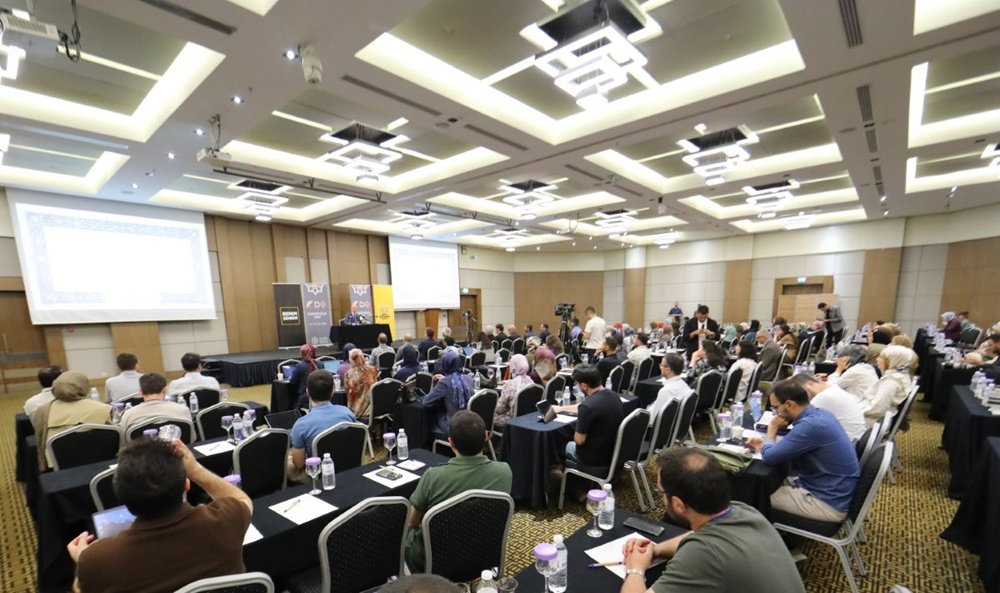
The 6th meeting of the 6th Classical Thought School Academic Camp, organized under the theme “The Human Being in Classical Thought,” began in Konya.
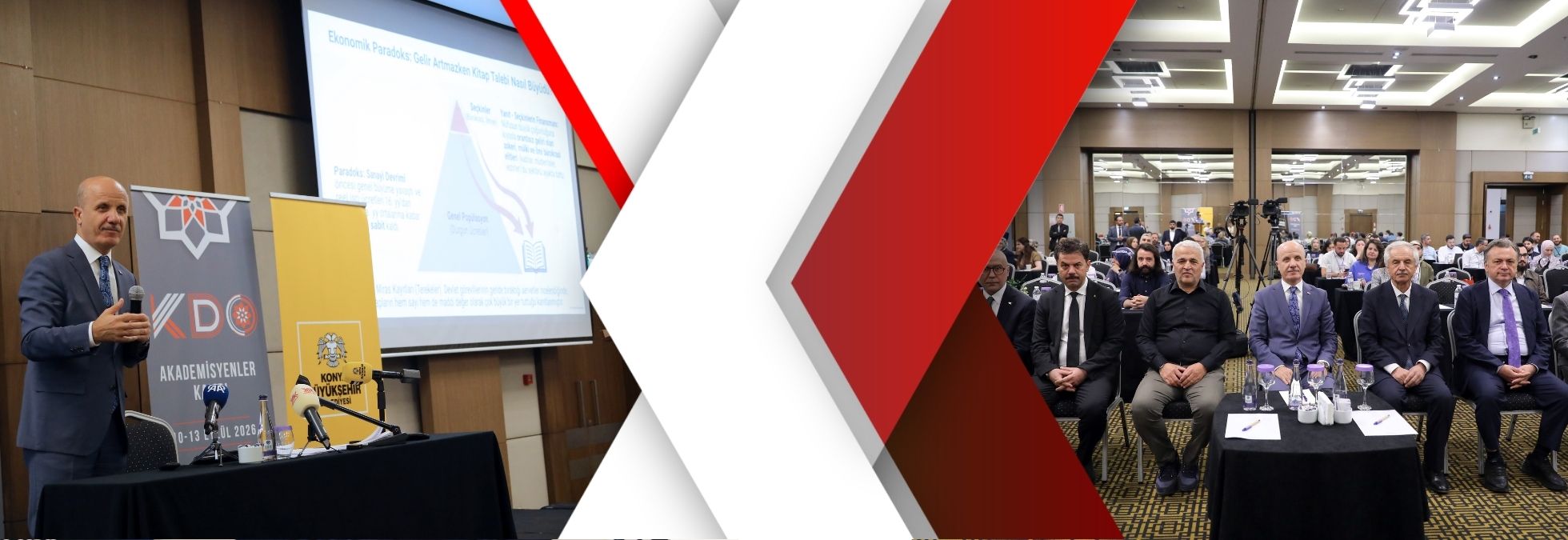
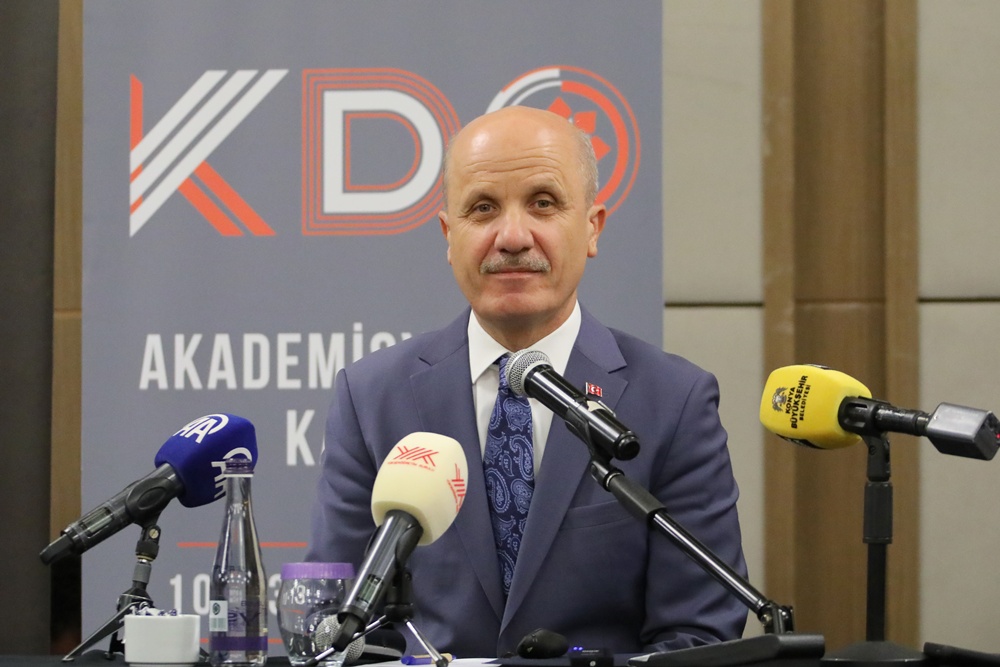
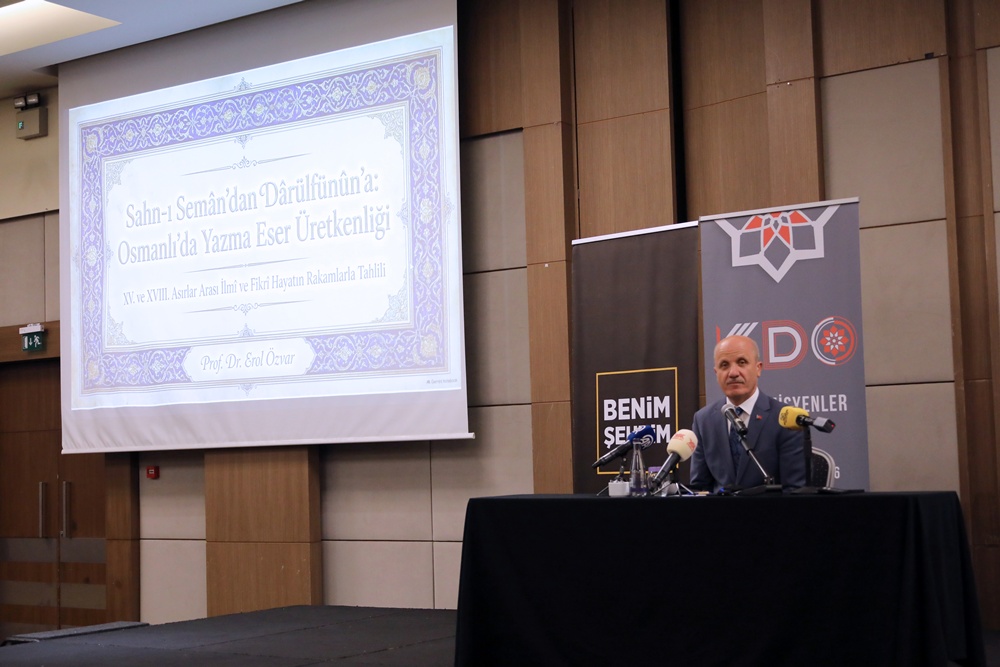
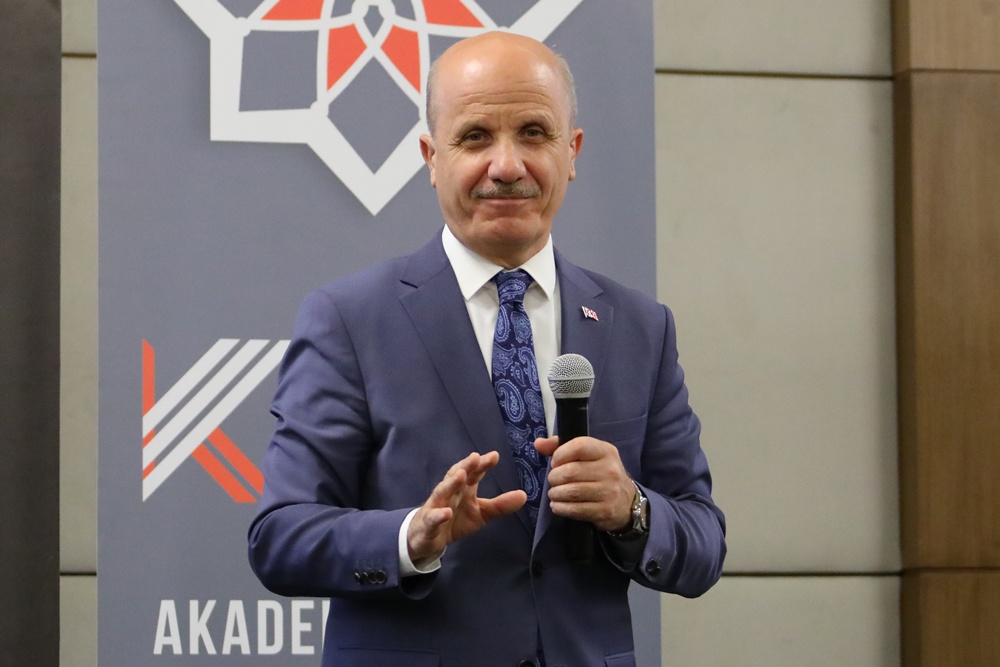
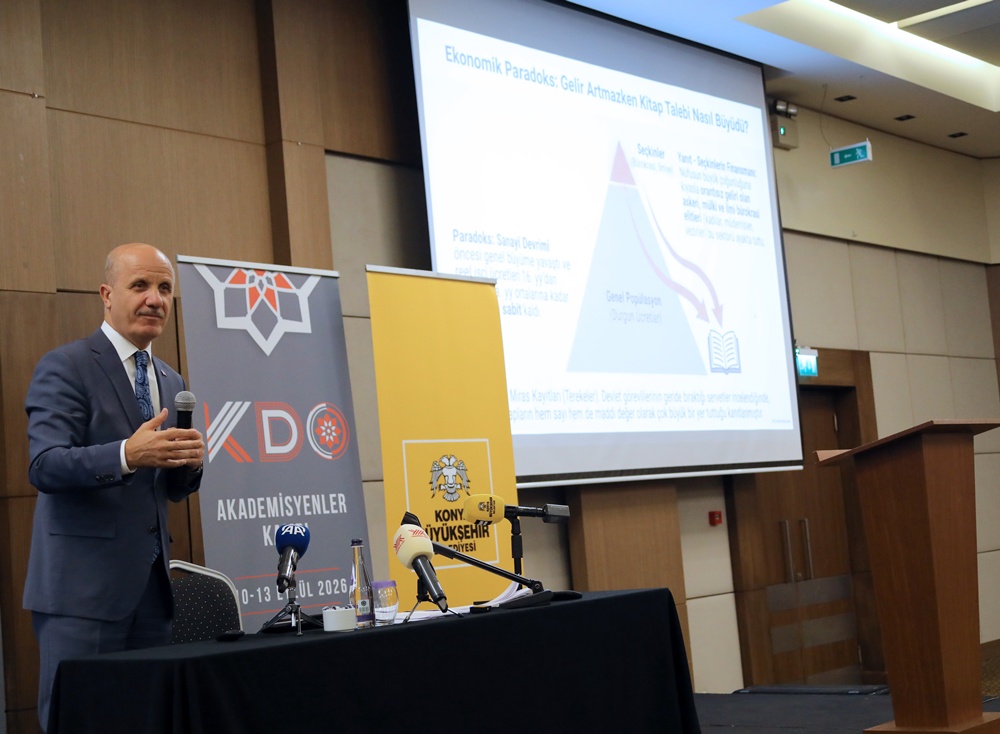
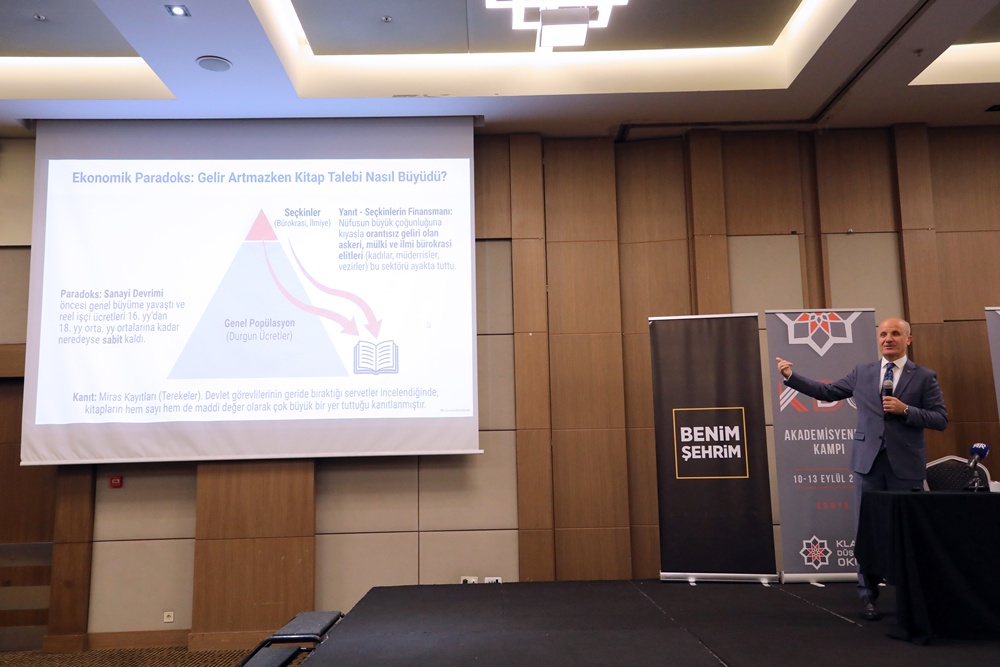
At the meeting held in Konya, Council of Higher Education (CoHE) President Erol Özvar delivered the opening lecture titled “Manuscript Production in the Ottoman Empire.”
Özvar stated that his study aimed to test, through manuscript production, the established periodization of Ottoman history, in which the 17th and 18th centuries are characterized as a period of “stagnation” and the 19th century as a period of “decline.” He noted that the central question of his study was “whether intellectual productivity can be measured through manuscripts produced during the Ottoman period.”
As part of the study, Özvar examined the production of original works, translations, and reproductions. Drawing on catalogues from the Presidency of Manuscripts and IRCICA, he said he had created a data pool of around 300,000 volumes and, from these, compiled a sample of 60,000 volumes that met specific criteria.
Referring also to the methodology of the study, Özvar said he used coding methods to collect, classify, and categorize the sources under specific headings.
Özvar noted that he had used coding methods for the study before artificial intelligence tools became widespread.
- “Book production did not cease in the 17th and 18th centuries; on the contrary, it increased exponentially”
Özvar noted that works from the 17th and 18th centuries constituted the largest share of the 60,000-volume sample and said that a significant increase in manuscript production was identified from the 15th through the 18th centuries. Özvar stated, “In the 17th and 18th centuries, book production, including the creation of original works and copying and reproduction activities, did not cease; on the contrary, it increased exponentially.”
Noting that, when 15th-century production is taken as one unit, the number of works in the 18th century increased to approximately six times that level in the sample, Özvar said that this data indicated a need to reassess intellectual production in the Ottoman Empire during these centuries.
- Reproduction activities as an indicator of intellectual vitality
Özvar stated that the reproduction of manuscripts should not be viewed merely as the copying of an existing work. He explained that, in a period when the printing press was not available, reproducing works enabled ideas to reach broader segments of society, adding that the increase in such activities was one of the indicators of intellectual vitality.
“The emergence of an idea and the expression of an idea are important. But for that idea, that intellectual product, to reach a large number of people is another matter,” Özvar said, noting that reproduction activities were an integral part of intellectual activity during the manuscript era.
- The increase in the number of madrasas also increased demand for books
Assessing the reasons behind the increase in manuscript production alongside demographic and economic factors, Özvar noted that there was a significant increase in the number of madrasas beginning in the 15th century.
Özvar stated that the number of madrasas established up to the 16th century grew eight times faster than the population, describing this as important evidence that access to Islamic education and intellectual activities had increased.
Noting that, at the end of the 15th century, an estimated 2.8 out of every 100 Muslim men in Istanbul were able to attend a madrasa, Özvar said that this figure had reached 4.5 by the 18th century. He noted that the increased capacity for students may have also increased demand for books and, consequently, the reproduction of manuscripts.
- Waqf libraries and investments in books
Özvar said that one of the notable questions raised by the study was why demand for books increased despite the fact that incomes did not increase significantly over the long term.
In this context, Özvar noted that, beginning in the mid-17th century, investments by the Ottoman elite in books and libraries became increasingly prominent, adding that the spread of waqf libraries was one of the factors supporting the increase in manuscript production.
Özvar stated that demand for books increased with the expansion of educational institutions, the growing number of generations participating in intellectual activities, and the development of libraries. He said that this created significant demand for the reproduction of manuscripts during a period when the printing press was not available.
- Paper costs also affected production
Addressing the economic dimension of manuscript production, Özvar stated that his archival research showed that the relative cost of paper began to decline from the second half of the 17th century onward.
Özvar noted that a relationship could be established between the increase in paper imports into Anatolia and intellectual production, adding that the decline in paper prices over time was one of the factors that facilitated manuscript production.
- “Intellectual and scholarly production continues to grow”
Assessing the overall findings of his study, Özvar emphasized that intellectual and scholarly production in the Ottoman period continued to increase.
“Intellectual and scholarly production continued to grow during the Ottoman period. Even though the population remained largely unchanged, the number of works continued to increase,” Özvar said, adding that intellectual production in different periods should be evaluated within its own historical circumstances.
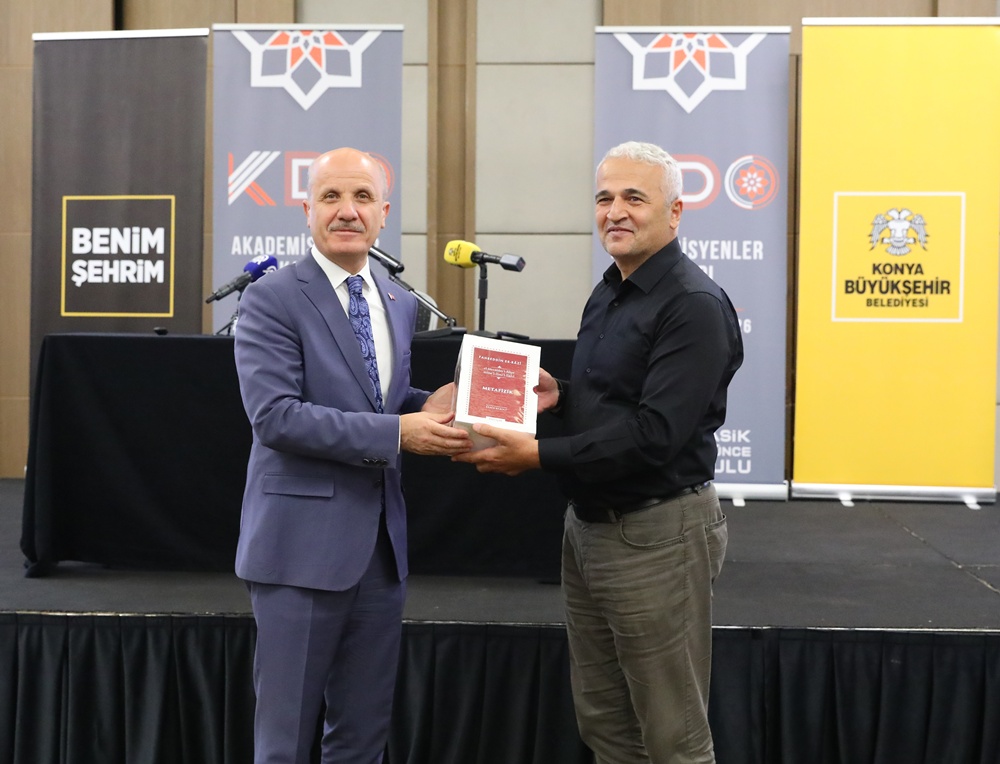
At the end of the program, Prof. Ekrem Demirli, President of the Classical Thought School Association, presented a book to CoHE President Prof. Erol Özvar.
Images

Images