


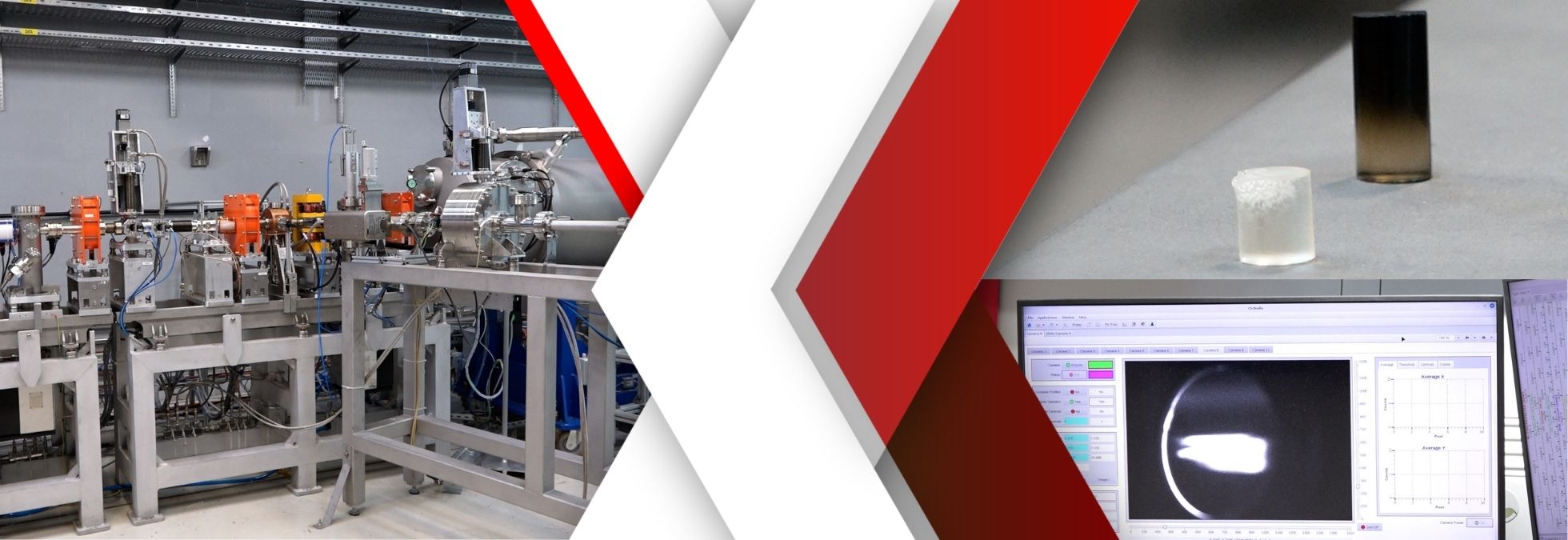
Major Milestone for Türkiye’s Accelerator Technology: First Irradiation Experiment Successfully Completed at TARLA
- Glass and plexiglass samples were irradiated using a system developed in Türkiye to examine how they respond to radiation.
- TARLA Director Karslı: “With these irradiation experiments, Türkiye has crossed an important threshold in the scientific community.”
- The new technology could be used in a wide range of fields, from satellites and mobile phones to the defense industry and medical research.
October 20, 2026
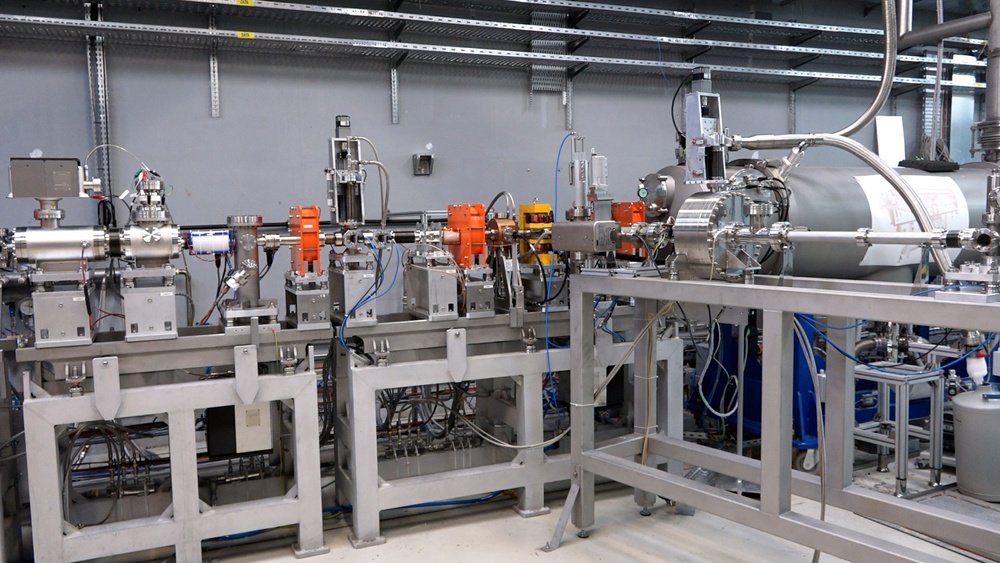
Scientists in Türkiye have achieved a significant milestone by developing a specialized system that enables them to study how materials are affected by radiation. The first irradiation experiment was successfully carried out at the Turkish Accelerator and Radiation Laboratory (TARLA), established under the leadership of Ankara University.
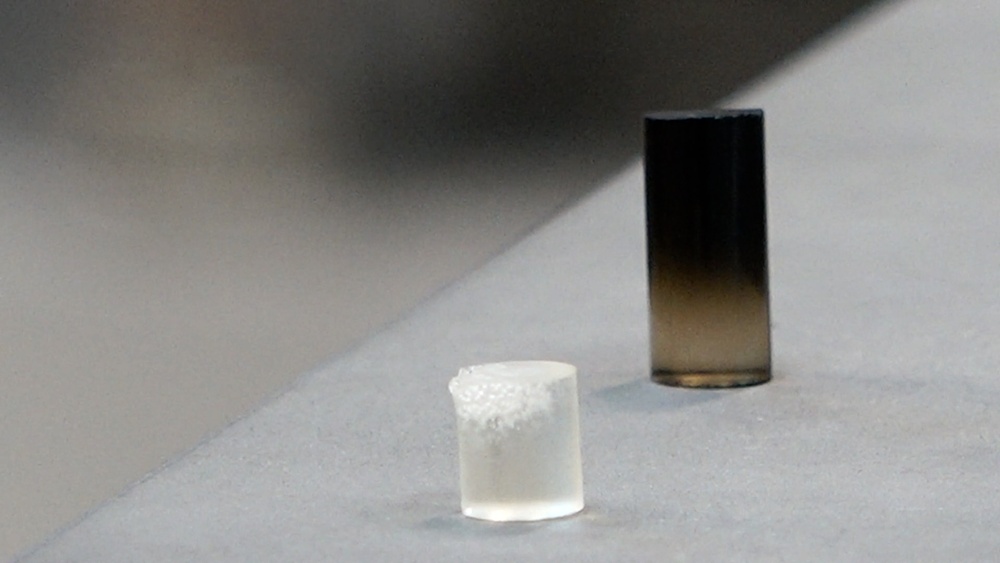
In the experiment conducted in May, glass and plexiglass samples were exposed to gamma rays generated using accelerated electrons. Following the experiment, the glass was observed to have changed color, while structural changes and fractures appeared in the plexiglass.
These results demonstrated that Türkiye can use accelerator infrastructure developed with its own resources to study how materials behave when exposed to radiation.
The work, conducted at TARLA on Ankara University’s Gölbaşı campus, is expected to contribute to a wide range of fields, from satellite and space technologies to the defense industry, medical research, and the development of products used in everyday life.
- A new phase in scientific research with a domestically developed accelerator
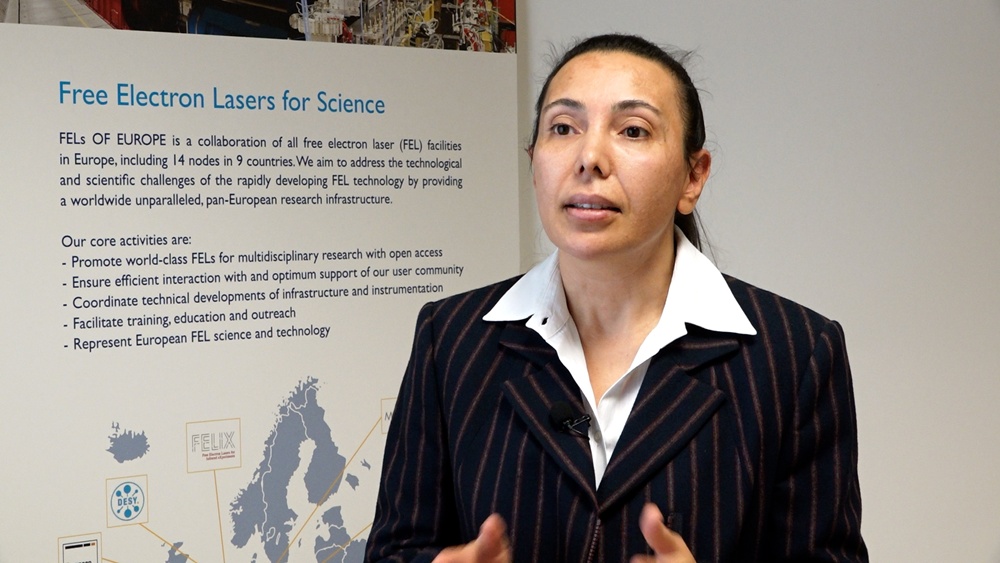
Dr. Özlem Karslı, TARLA Director and a faculty member at Ankara University, said that material samples had been irradiated for the first time using the accelerator system developed at the laboratory. “With these irradiation experiments, Türkiye has crossed an important threshold in the scientific community,” she said.
Explaining that the team had exposed glass and plexiglass samples to gamma rays produced by the accelerator, Karslı said they had observed color changes in the glass and structural changes and fractures in the plexiglass.
Karslı noted that obtaining the expected results demonstrated that the experiment had been successfully completed.
- From satellite technologies to medical research
Karslı explained that satellites in space are exposed to radiation, which can cause deterioration in camera lenses and sensors. She said TARLA was conducting research to examine and mitigate these effects.
Noting that the research could help restore radiation-damaged satellite glass and lenses so they could be reused, Karslı said the infrastructure could also be used to improve optical systems in the defense industry and examine the durability of materials used in a variety of products, from automobiles to mobile phones.
She added that preliminary research could also be conducted at TARLA on isotopes that may be used in medical imaging and cancer treatment.
- Material durability can be assessed in a short time
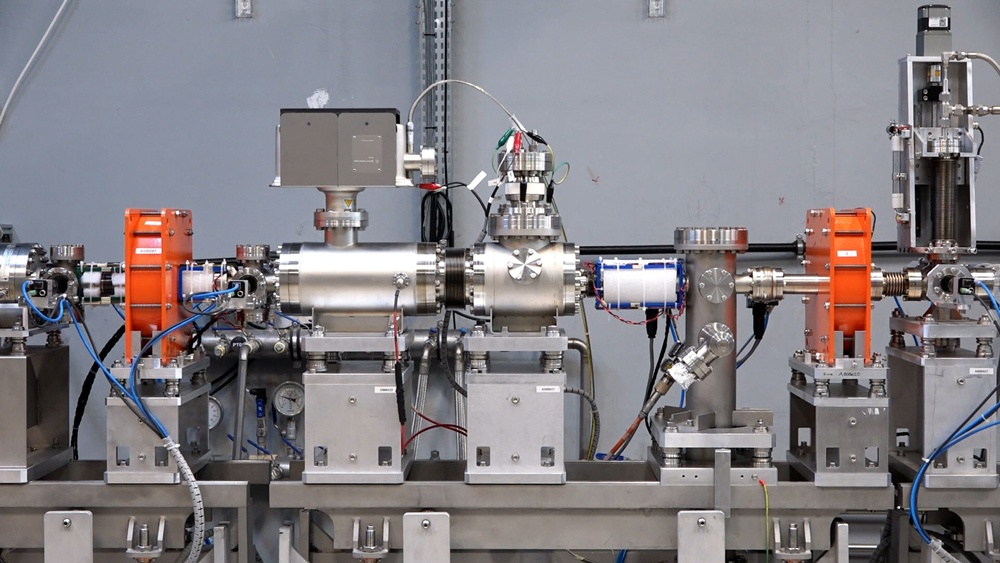
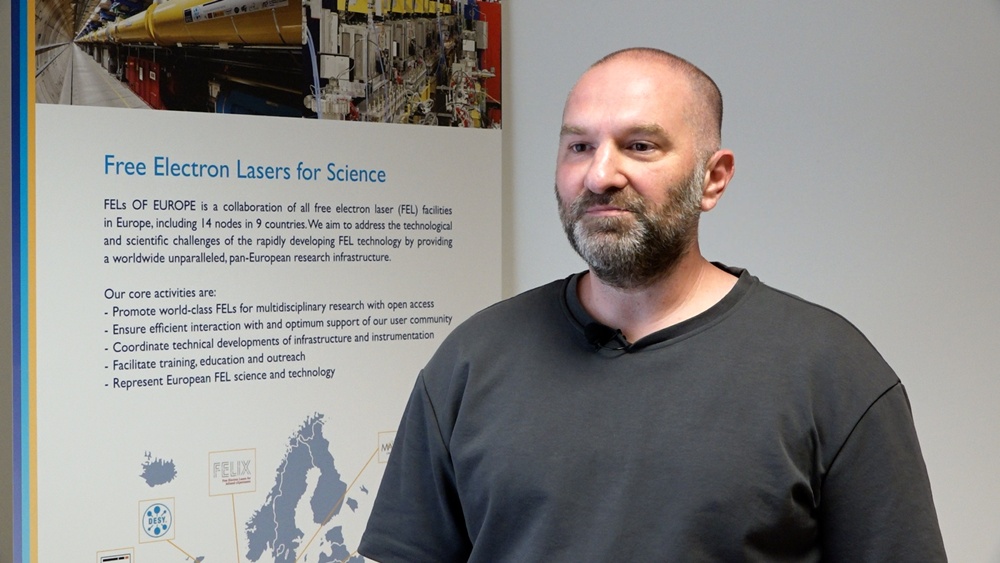
Barış Yıldırım Demir, Head of TARLA’s Accelerator Unit, said, “The experiment we conducted marked a turning point for TARLA. For the first time in our country, we accelerated electrons using superconducting modules.”
Explaining that TARLA was preparing to serve researchers, Demir said accelerator technology could make it possible to study in a short period certain effects that materials might otherwise experience over many years.
“With one minute of irradiation, we can learn in one minute about the effects of 20 years of exposure to the sun,” he said.
- Building domestic expertise in accelerator technologies
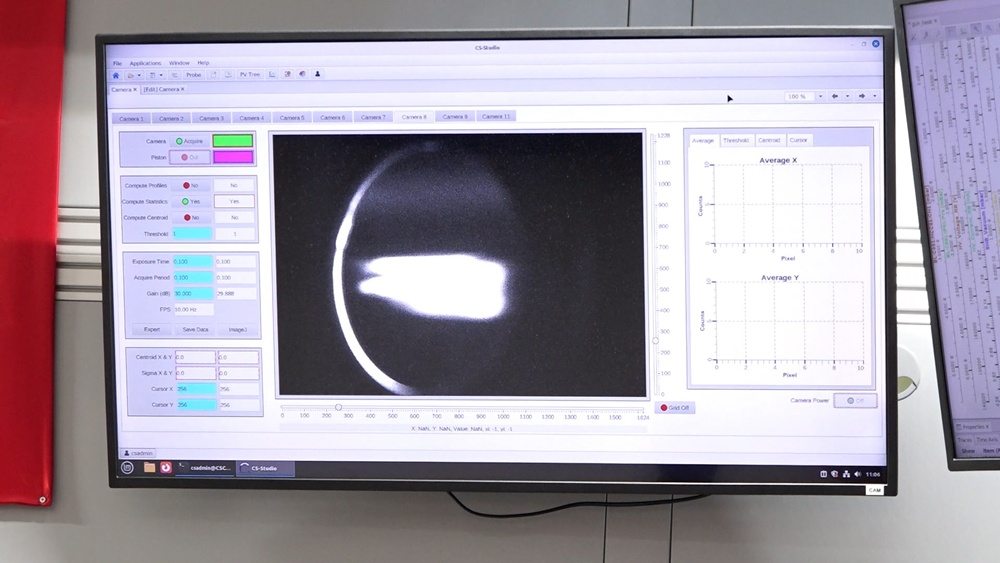
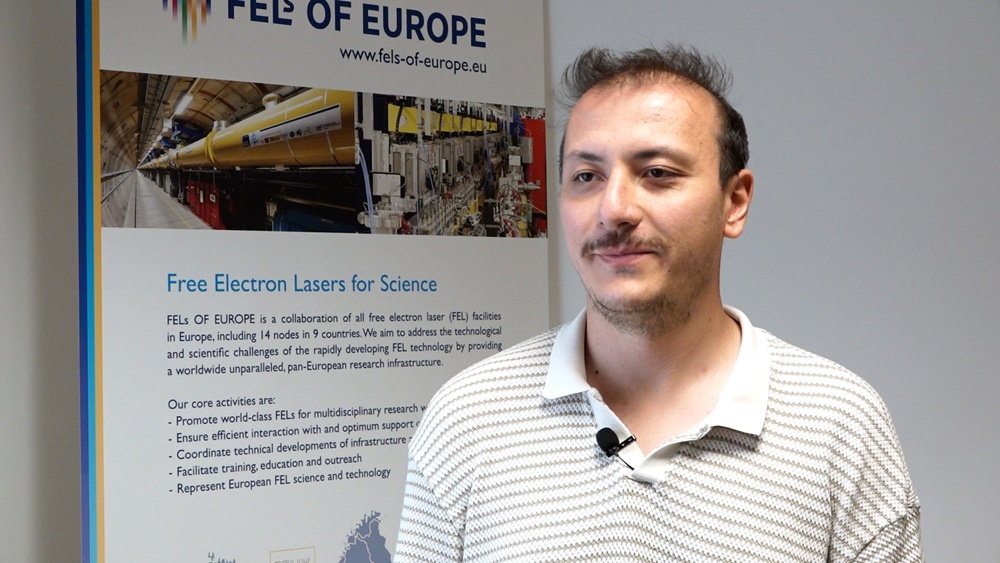
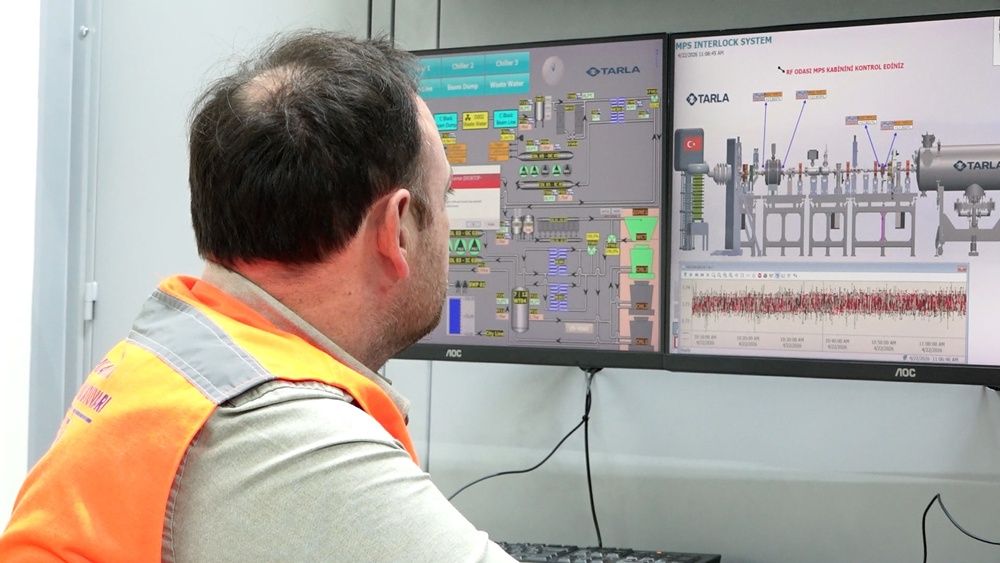
Arif Öztürk, a doctoral student in computer engineering at Ankara University who works in TARLA’s beam diagnostics unit, said his team worked on systems that track the movement of electrons. He described his role as follows:
“Imagine a very fast car driving along a pitch-black road. We make the car’s path more visible. That is essentially our job.”
Citing centers such as Stanford University and Silicon Valley in the United States, Tsukuba in Japan, and Pohang in South Korea, Öztürk said accelerator technologies contribute not only to scientific research but also to countries’ technological development.
Emphasizing the importance of the expertise developed at TARLA for Türkiye’s defense industry and civilian technologies, Öztürk said, “We have already given our country a knowledge repository. I hope we will continue to expand it day by day.”
Images
Images