


Homegrown Vaccine Developed Against Orf Disease in Small Ruminants
- MAKU develops Türkiye’s first inactivated Orf virus vaccine against Orf disease, which affects small ruminants and causes significant economic losses
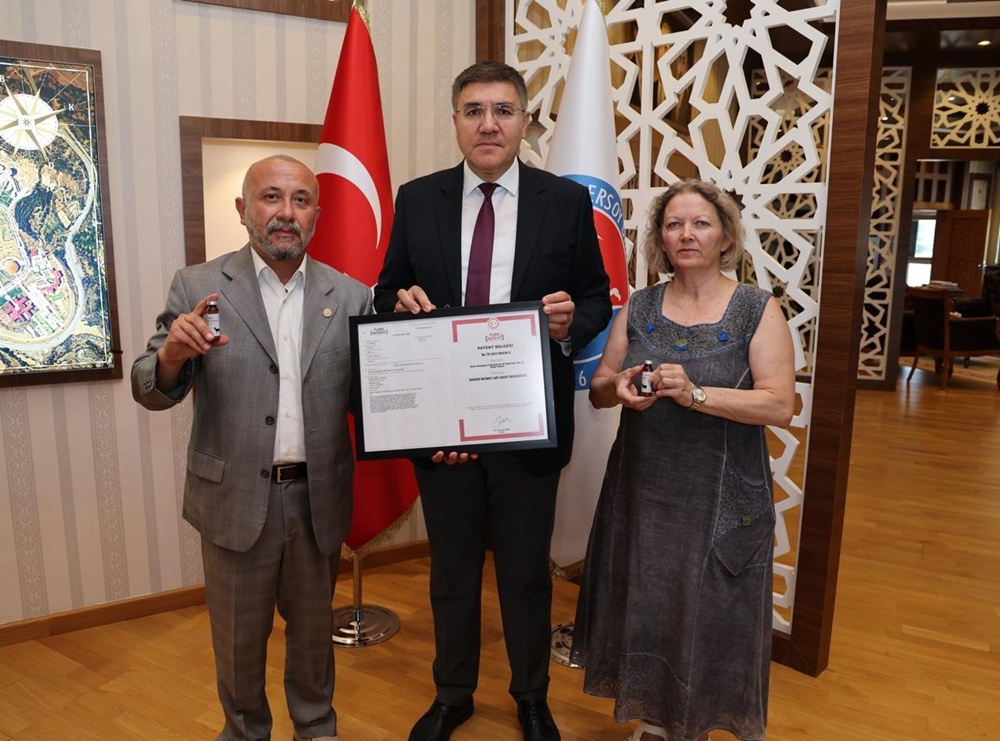
- The vaccine, developed through nearly 10 years of field surveys and more than 3.5 years of laboratory research, has been registered by the Turkish Patent and Trademark Office
- Prof. Kale: “Our goal is to reduce the losses caused by the disease”
- CoHE President Özvar: “Our universities are not only generating scientific knowledge but also transferring it directly to producers and society”
August 15, 2026
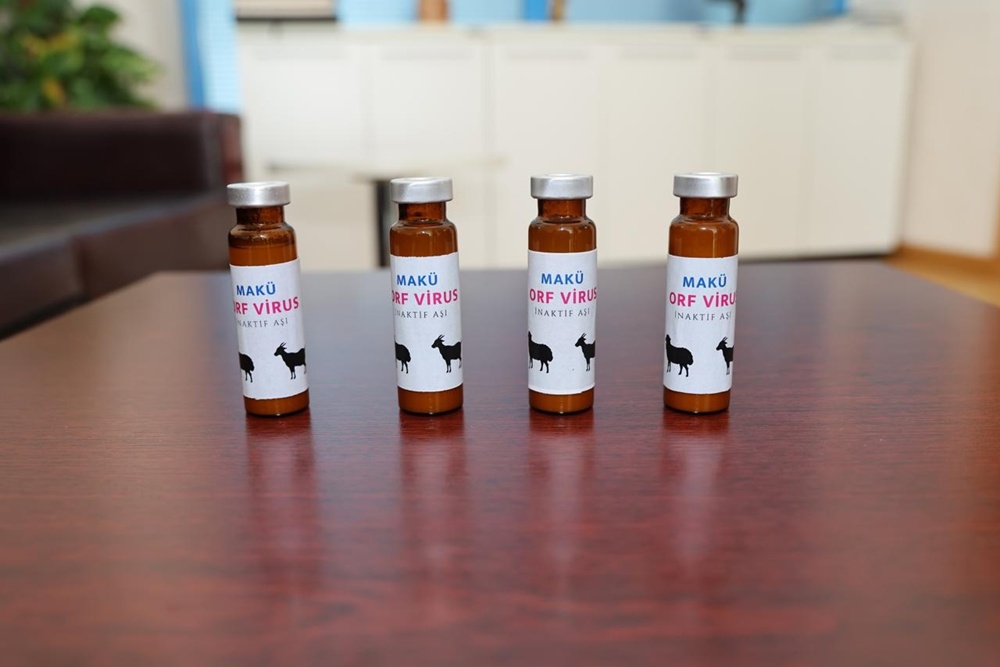
Researchers at Burdur Mehmet Akif Ersoy University (MAKU) have developed Türkiye’s first inactivated Orf virus vaccine against Orf disease, a health problem affecting small ruminants and causing economic losses.
The vaccine, which is the product of nearly 10 years of field surveys and more than 3.5 years of laboratory research, has been registered by the Turkish Patent and Trademark Office and granted 20 years of protection. Developed from local field strains, the vaccine is intended particularly to help reduce losses caused by the disease in lambs and kids.
The vaccine was developed under the leadership of Prof. Mehmet Kale, a faculty member at MAKU’s Faculty of Veterinary Medicine, together with Prof. Yakup Yıldırım, Prof. Saime İsmet Gürhan, Dr. Sevinç Kant and Research Assistant Dr. Yakup Sinan Orta.
Orf disease, commonly known as “Ektima” in Türkiye and seen in sheep and goats, can cause lesions around the mouth, lips and gums, particularly in lambs and kids. The disease can also affect the udder, skin and feet.
Lesions around the mouth can make it difficult for newborn animals to suckle from their mothers. When newborns do not receive sufficient colostrum, the development of their immune systems can be adversely affected, increasing the risk of illness and death. The disease can also lead to reduced productivity and animal losses within flocks, resulting in economic losses for farmers. As Orf virus is zoonotic, the disease can also be transmitted from animals to humans.
- Developed Through 10 Years of Field Surveys
Field surveys were conducted across the Western Mediterranean Region for 10 years to support the development of the vaccine. Local Orf virus strains that are widespread in the region were identified.
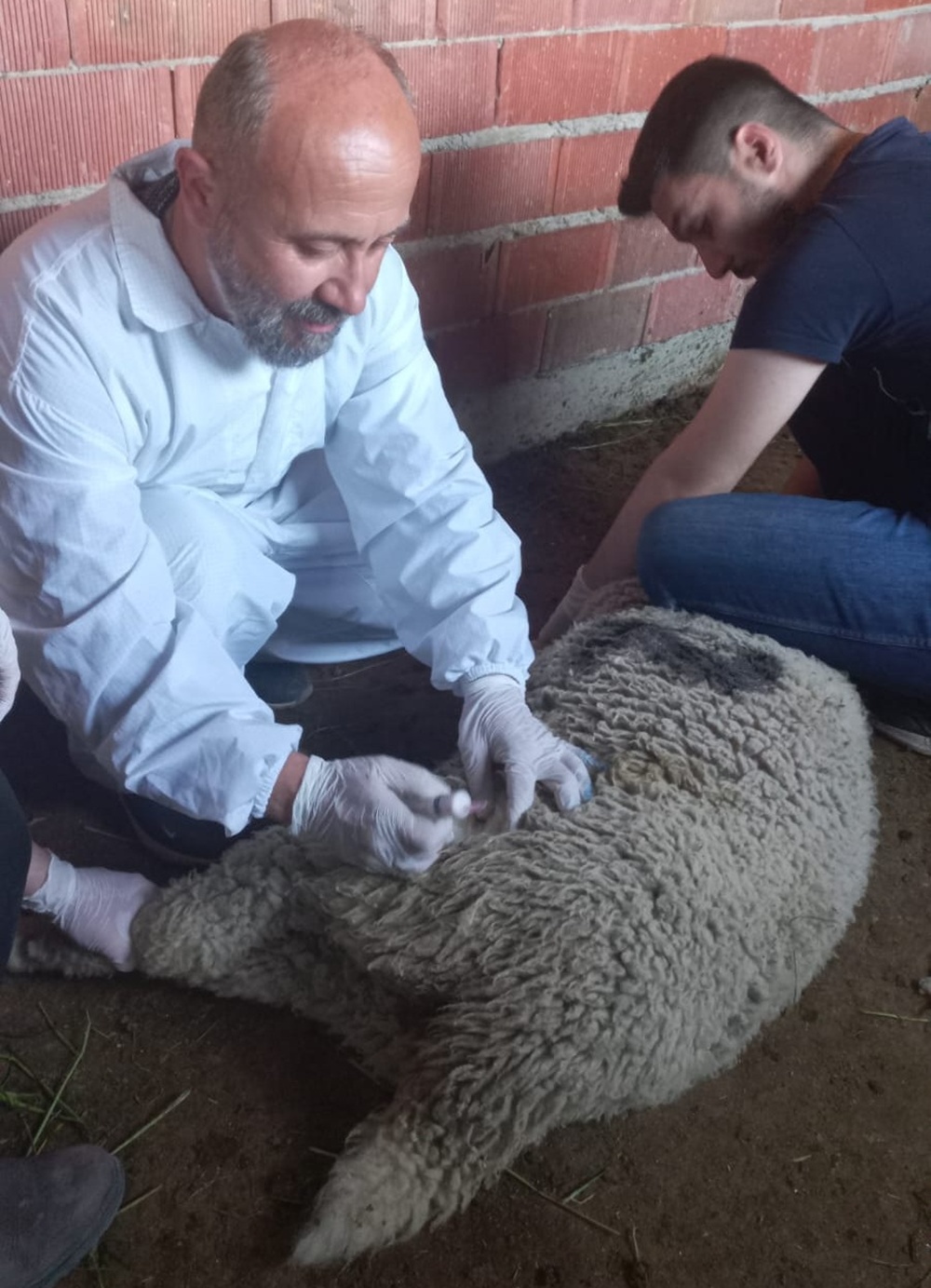
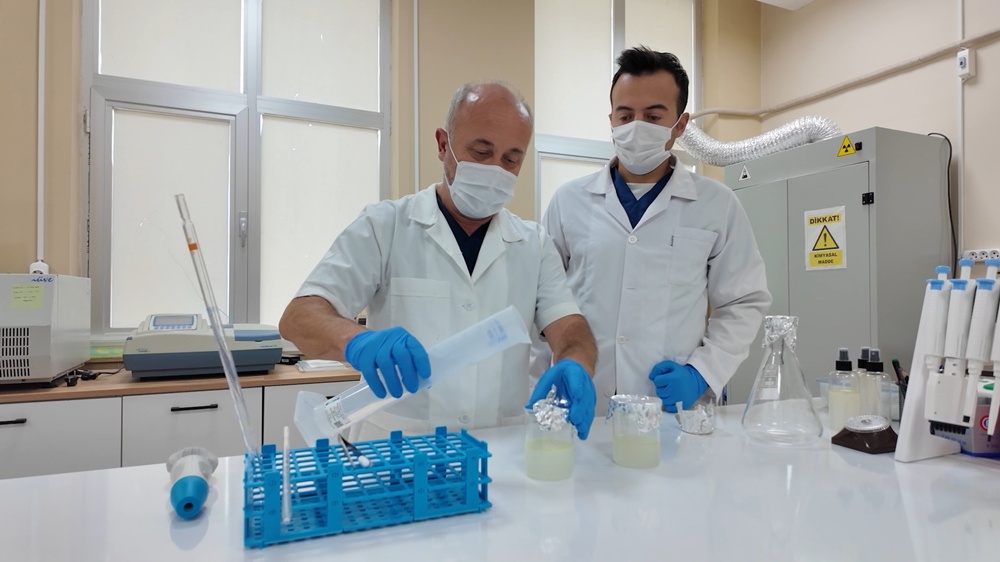
The field studies were followed by more than 3.5 years of laboratory research. The inactivated vaccine was developed using the local field isolates that had been identified. Successful results were obtained in trials and applications carried out on target animals. In terms of its method of preparation, the vaccine is Türkiye’s first inactivated Orf virus vaccine.
Prof. Mehmet Kale, one of the vaccine developers, said that following extensive field surveys and laboratory studies, they had developed a vaccine based on local field isolates.
Providing information about practices around the world, Kale said, “Most commercial vaccines used against Orf disease worldwide are live vaccines. Inactivated vaccines, on the other hand, have mainly been the subject of research-level studies. We have developed an inactivated vaccine using field strains that are widespread in the Western Mediterranean Region.”
“It Will Provide Protective Immunity Before Infection Occurs”
Drawing attention to the significant problems Orf can cause, particularly in newborn lambs and kids, Kale said, “Lesions that develop around the mouth can make it difficult for newborns to suckle from their mothers. Insufficient colostrum intake can adversely affect the development of their immune systems, increasing the risk of illness and death. Therefore, the primary purpose of the vaccine is to provide protective immunity in animals before infection occurs.”
Kale added that studies are also underway to assess the vaccine’s potential therapeutic effects after infection, alongside its preventive benefits.
- Commercialization Next
A patent application was filed with the Turkish Patent and Trademark Office for the vaccine’s production method. Following the evaluation process, the invention qualified for a national patent and was granted 20 years of protection.
Drawing attention to the fact that the vaccine has a specific dosage and administration method, Kale said they recommended that it be administered under the supervision of a veterinarian.
Stating that the goal following completion of the patent process was to commercialize the vaccine, Kale said, “We have obtained our patent. From this point forward, our work on commercializing the vaccine and putting it into use in the field will continue.”
- Özvar: “Our Universities Directly Benefit Society”
CoHE President Erol Özvar stated that universities are not only generating scientific knowledge but also transferring that knowledge directly to producers and society.
Emphasizing that universities, particularly in Anatolia, provide significant knowledge and expertise to their regions, farmers and rural communities, Özvar said, “MAKU is one of our universities that plays a pioneering role in this area.”
MAKU Rector Prof. Hüseyin Dalgar also stated that the university conducts scientific studies in the field of animal husbandry in response to the needs of the sector.
Dalgar said the newly developed vaccine was an important example of how scientific knowledge can be transformed into social benefit, adding that they expected the work against a disease that causes losses particularly among newborn lambs and kids to help protect the efforts and livelihoods of farmers. Dalgar congratulated the academics involved in developing the vaccine.
Images

Images