


Council of Higher Education Sets Procedures and Principles for Student Amnesty
- Students whose enrollment was terminated or who were unable to enroll in a program they were admitted to may apply by December 9, 2026
- Students benefiting from the regulation will be able to return to their universities in the 2026–2027 academic year
- Procedures and principles have also been established for discontinued programs, programs where student admissions have been suspended, double-major programs and graduate education
- Those convicted of certain offenses, including terrorism, intentional homicide, torture, sexual assault, sexual abuse of children, and the manufacture and trafficking of drugs, as well as those whose enrollment was canceled due to fraudulent documents, will be excluded from the scope
- CoHE President Özvar: “We attach great importance to enabling young people who have been unable to continue their higher education for various reasons to return to their studies and fulfill their unfinished dreams”
August 13, 2026
The Council of Higher Education (CoHE) has established the procedures and principles governing the process for students to return to universities under the regulation commonly referred to by the public as “student amnesty.”
Under Provisional Article 85 added to the Higher Education Law No. 2547 by Law No. 7592, which was published in the Official Gazette and entered into force on August 9, 2026, individuals whose university enrollment was terminated, as well as those who were admitted to a higher education program but were unable to enroll, have been given an opportunity to return to higher education.
Those wishing to benefit from the regulation may apply to the higher education institution from which their enrollment was terminated or to which they were entitled to enroll by December 9, 2026. Students whose applications are accepted will be able to resume their studies in the 2026–2027 academic year.
- The Regulation Covers Programs from Associate Degree to Doctoral Level
The regulation covers students whose enrollment was terminated from preparatory, adaptation, associate degree, degree completion, undergraduate and graduate programs. Those who were admitted to a higher education program but did not enroll may also benefit from the regulation if they apply within the specified period.
An additional opportunity has also been provided under certain conditions for those unable to apply by December 9 due to force majeure. Such individuals may apply within one month from the date the force majeure ceases. Those unable to apply on time for health reasons will be required to submit a medical board report documenting the situation by the close of business on December 9, 2026.
- Who Will Not Be Eligible?
CoHE has also identified the groups excluded from the scope of the regulation.
Individuals convicted of offenses specified in the regulation, including terrorism, intentional homicide, torture, torment, sexual assault, sexual abuse of children, and the manufacture and trafficking of narcotic or psychotropic substances, will not be eligible for the student amnesty.
Those whose enrollment was canceled due to fraudulent documents, as well as those who submitted fraudulent documents during enrollment, will also be excluded, along with other exceptions specified in the legislation. Individuals whose university enrollment was terminated on the grounds that they had enrolled through legally invalid means will likewise not be eligible for the regulation.
- Arrangements Made for Students in Discontinued Programs
CoHE has also established procedures governing how students whose enrollment was terminated from programs in which admissions have been suspended or that have been completely discontinued will continue their education.
Students in discontinued evening education programs who no longer have a semester or class level available may continue their studies in the corresponding daytime program. Students whose program was subsequently discontinued and who had been admitted to the program in the past but did not enroll may, provided that they meet the minimum placement score applicable in the year they were admitted, be placed in equivalent programs by the authorized boards of their universities.
The situation of double-major students has also been addressed separately. Students whose double-major enrollment ended because their enrollment in their major program was terminated, as well as those whose double-major enrollment was terminated after they graduated from their major program, will be able to reapply.
- Transfer Opportunities Also Available
Students who return to their university under the regulation and whose central placement score from the year they were admitted meets the required conditions may apply to transfer to equivalent or different degree programs.
Transfers to on-campus programs under this regulation will be carried out during the 2026–2027 academic year. Students who regain student status under the regulation will also be eligible to transfer to equivalent open education programs at Anadolu University, Ankara University, Atatürk University and Istanbul University.
- No Tuition Fees Charged for Previous Years
The relevant university boards will determine how previously completed courses are recognized and the conditions for continuing education. The maximum period of study for students returning under the regulation will restart from the date of their re-enrollment.
Students resuming their studies in the 2026–2027 academic year will not be charged any tuition or student contribution fees for years preceding the date of their enrollment. Where applicable, the provisions governing student contribution fees and tuition fees for the 2026-2027 academic year will apply.
- “Our Students and Their Future Are at the Heart of Our Higher Education System”
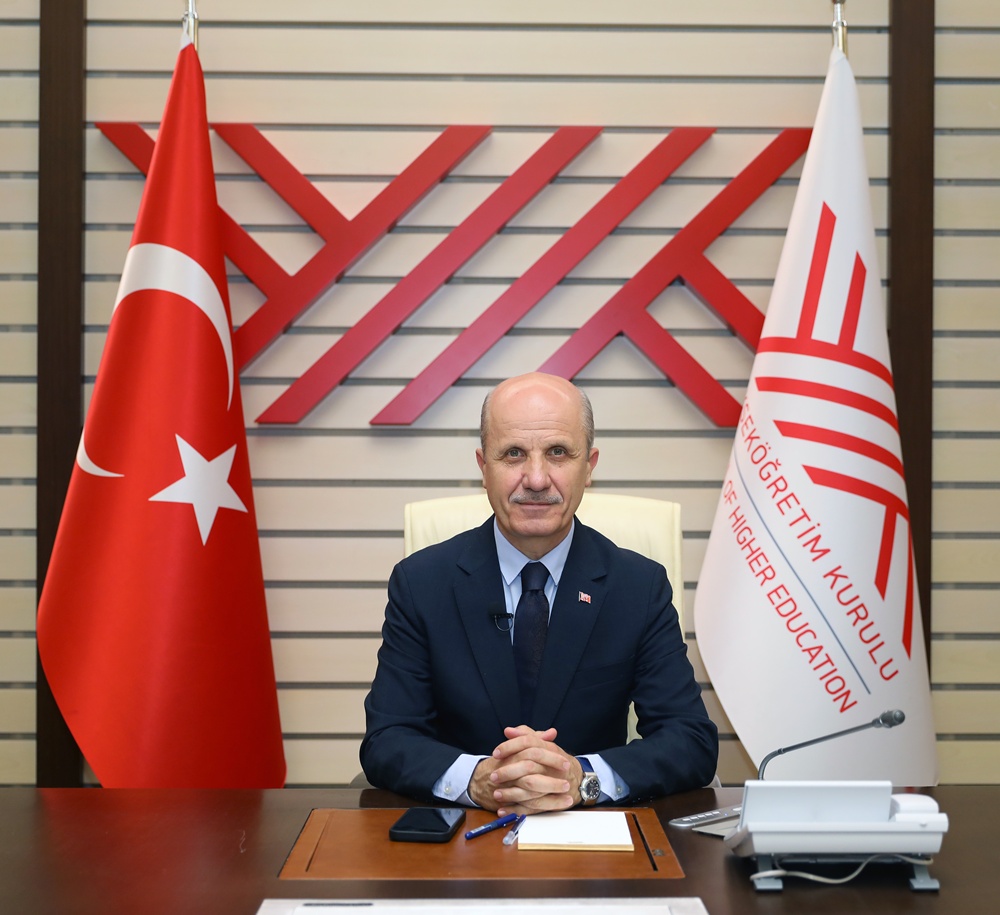
CoHE President Erol Özvar stated that students and their future are at the heart of the higher education system, saying, “We attach great importance to enabling young people who have been unable to continue their higher education for various reasons to return to their studies and fulfill their unfinished dreams.”
Özvar said, “The new regulation provides students who meet the conditions set out in the law with a new opportunity to return to their universities. Students who lose their right to education or have their enrollment canceled within four months of the regulation entering into force will also be able to benefit from this right. This will help prevent new grievances from arising during the implementation process.”
Emphasizing that CoHE would work together with universities to ensure that the process is conducted in an open, clear and student-centered manner, Özvar noted that they had established the procedures and principles to eliminate any uncertainties students may encounter during the application and academic adjustment processes and to ensure consistency in implementation.
Özvar said, “Every student’s efforts, knowledge and future are valuable to us. We want the students whose university doors we are reopening to complete their education and contribute to our country’s production, development and future. We see this regulation not merely as an amnesty, but as an opportunity for our young people to rebuild their futures.”
Students wishing to benefit from the amnesty must apply to the higher education institutions to which they were entitled to enroll or from which their enrollment was terminated by December 9, 2026. The procedures and principles governing the regulation are available on CoHE’s official website.
Images


Images