


CoHE President Özvar Warns Universities About Exams: “We Do Not Approve of the Widespread Use of Multiple-Choice Exams”
- “All academic staff at our universities should receive artificial intelligence training; no faculty member should be left behind.”
- “We expect curricula and course structures in undergraduate education to be streamlined.”
- Özvar calls on universities to contribute to the “Terror-Free Türkiye” process through academic studies
- Goal of establishing a technology hub at Marmara University’s Göztepe Campus: “We attach importance to this campus operating as a technology hub.”
October 12, 2026
Council of Higher Education (CoHE) President Erol Özvar stated that they did not approve of the widespread use of multiple-choice exams at universities, adding that the necessary warnings had been issued to universities on this matter and that assessment and evaluation practices would be closely monitored.
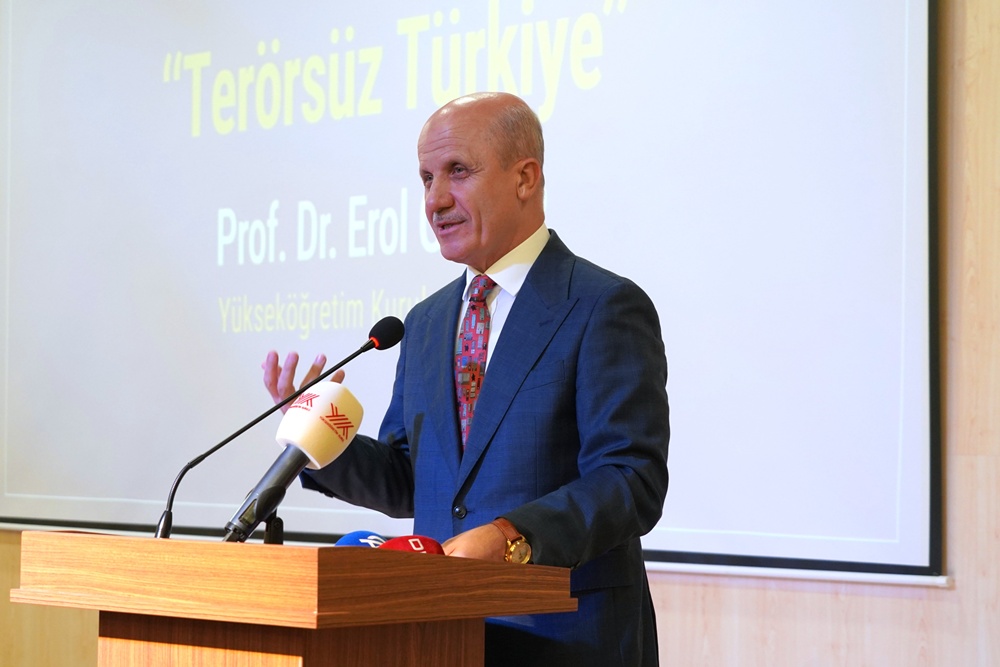
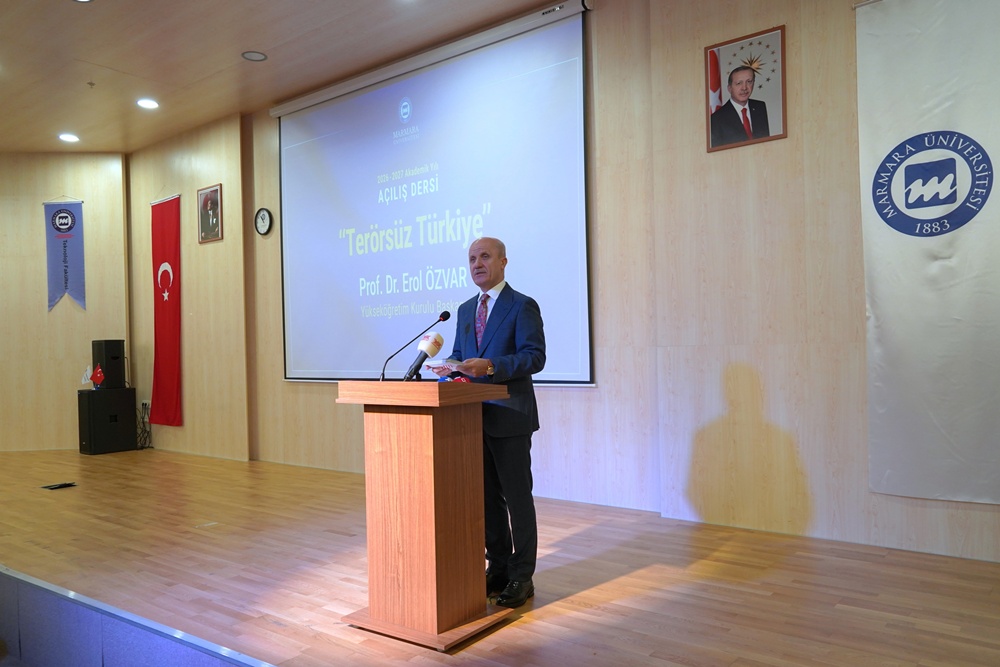
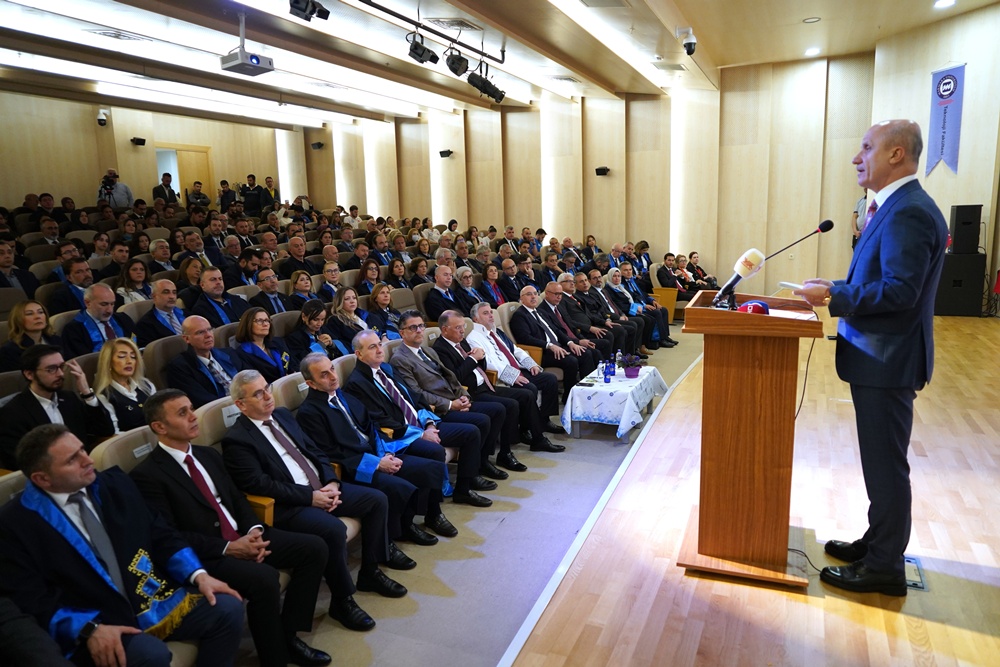
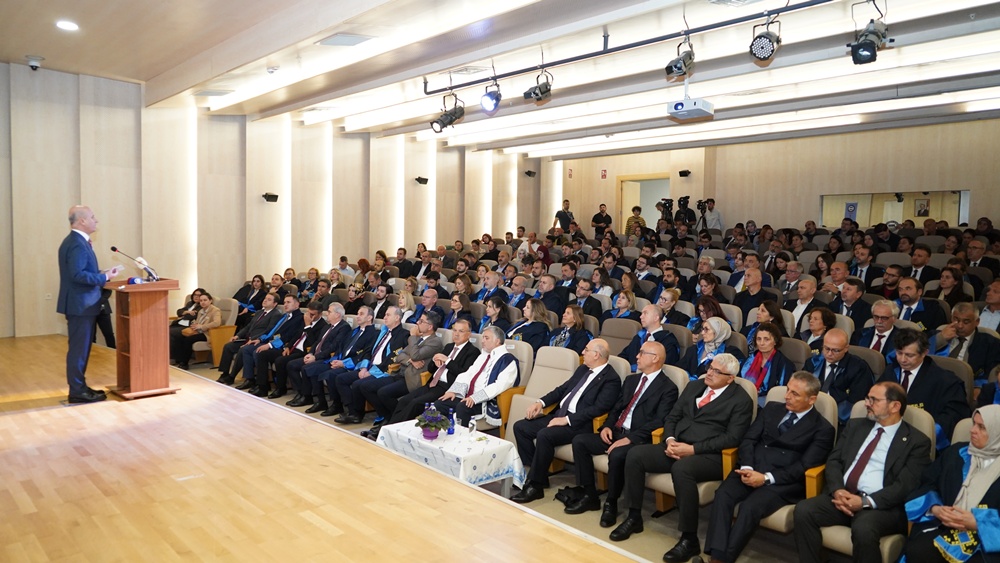
Speaking at Marmara University’s 2026-2027 Academic Year Opening Ceremony, Özvar said that the format and content of examinations played a decisive role in developing students’ knowledge and skills.
Noting that brief surveys conducted at universities had revealed that multiple-choice exams were becoming increasingly common even in law faculties, Özvar said similar trends could be observed in programs in the social sciences, health sciences, engineering, theology, education and technical fields.
Emphasizing that this situation raised questions about the extent to which students’ reasoning, analytical, communication and practical skills could be properly assessed, Özvar noted that presenting reasoned arguments in legal education, solving problems in engineering, and developing evidence-based interpretations in the social sciences were among the fundamental learning outcomes.
Özvar said that, at a time when evening education had been abolished and quotas and student numbers had reached more reasonable levels, he did not consider the growing prevalence of multiple-choice examinations appropriate in terms of the quality of higher education.
Calling on academics to give greater emphasis to assessment methods that reveal students’ thought processes, ability to justify their arguments and capacity to apply what they have learned, Özvar said, “As the Council of Higher Education, we have issued the necessary warnings to our universities on this matter.” He added that CoHE would closely monitor the development of examination practices in line with the objectives and learning outcomes of academic programs.
“All our faculty members must take artificial intelligence courses”
Making important remarks on the use of artificial intelligence at universities, Özvar called for courses to be launched urgently to ensure that all academic staff receive training in this field.
Noting that AI tools would increasingly be used in education, research and academic activities, Özvar addressed university administrations and said that faculty members needed to be equipped to make the best possible use of the opportunities offered by these technologies.
Özvar stated, “One of the most important things we expect from our esteemed Rector and the university’s valued administrators in the 2026-2027 academic year is the urgent introduction, across all programs and throughout the academic staff, of courses on the use of artificial intelligence tools. No faculty member should be left behind in this regard.”
Pointing out that academics had largely been learning to use AI tools on their own, Özvar stressed that this approach was no longer sufficient and that the full capabilities of the technology needed to be learned through systematic training. He said, “All our faculty members must take these courses without hesitation or reluctance. They should not stay away from them on the grounds that they already know how to do things, can manage on their own or can do better themselves.”
Özvar said that universities should waste no time in launching training programs for academic staff who lacked expertise in this area, adding that relevant departments within engineering faculties could also provide support.
Stating that artificial intelligence offered significant opportunities to improve course content, diversify teaching activities and support research, Özvar also called on universities to prepare academic guidelines on the use of these tools.
“Course structures with an excessive theoretical burden are proving inadequate”
Stating that higher education programs needed to be redesigned in response to changing needs, Özvar said that artificial intelligence, big data, automation and digitalization were fundamentally transforming the business world.
Emphasizing that university education should strengthen students’ ability to interpret information, question sources, evaluate evidence and develop original solutions to the problems they encounter, Özvar said that outdated course structures with weak links to practical application were inadequate for achieving these goals.
Özvar stated that they expected universities to streamline curricula and course structures in undergraduate education. He said that such revisions should clarify learning outcomes, reduce duplication of content and enable students to engage in more in-depth learning. While emphasizing that theoretical education must be provided comprehensively, he called for more room to be allocated to practical work and urged universities to reassess students’ weekly workloads in light of current conditions.
Noting that courses should not be viewed solely in terms of time spent in the classroom, Özvar called for individual study, research, projects and practical activities to be taken into account in educational planning.
Call on universities to support “Terror-Free Türkiye”
Stating that universities could not remain indifferent to the country’s social issues, Özvar said that the “Terror-Free Türkiye” goal, put forward under the leadership of President Recep Tayyip Erdoğan, was important for strengthening national unity and fraternity, consolidating peace and security, and promoting economic development.
Emphasizing that ensuring academic knowledge has a meaningful impact on society was one of the fundamental responsibilities of universities, Özvar said that higher education institutions should contribute to this process through scientific research. He called on universities to examine the social, cultural, legal and economic dimensions of the issue through panels, conferences, workshops and academic studies. He also highlighted the importance of sharing the findings and perspectives emerging from these activities with the public in an open, accessible and scientifically grounded manner.
Online education programs for Palestinian students under consideration
Addressing the humanitarian crisis in Gaza, Özvar stated that Israel’s attacks had caused extensive destruction to higher education institutions and left thousands of students and academics unable to continue their educational and research activities.
Recalling that Türkiye had taken various measures to enable Palestinian students to continue their education, Özvar said that tuition fees were not charged to international students from Gaza at universities. Noting that support for Palestinian academics was also continuing, he announced that online associate degree courses and degree-completion programs for students living in Palestine were under consideration.
Özvar emphasized that Türkiye would continue its support for the Palestinian people in the field of higher education.
Support for young academics conducting research abroad
Stating that Türkiye aimed to become a global player in higher education, Özvar said that increasing international academic mobility and joint scientific research was a priority.
Noting that incentive policies for young academics had been in place for three years, Özvar announced that young researchers continuing their postdoctoral research abroad received approximately USD 1,000 per month in support. Calling on young researchers working at universities to make greater use of this opportunity, he said that they aimed to make research universities more attractive destinations for international students, particularly at the doctoral level.
Özvar also called for the expansion of joint and double-degree programs, noting that Marmara University, which offers education in several languages, had considerable potential to increase its international academic collaborations.
Research universities to be reassessed next year
Commenting on Marmara University’s research capacity, Özvar said that he expected the university to move up in international rankings.
Stating that he first wanted to see Marmara University ranked among the top 1,000 in leading international rankings, Özvar said that the next step should be to aim for higher positions.
Pointing to growing competition among research universities, Özvar said, “The Research Universities League will be reassessed next year.”
Calling particularly on academics working in medicine, engineering, education and technical fields to improve their research and publication performance, Özvar emphasized that these efforts would contribute not only to their universities but also to Türkiye’s scientific development.
Data Analytics School to become a Digital Higher Education Platform
Announcing plans to expand the scope of the Data Analytics School, conducted under the auspices of CoHE and coordinated by Marmara University’s Institute of Population and Social Research, Özvar said that Yıldız Technical University had joined the initiative, following Middle East Technical University (METU), Istanbul Technical University and Boğaziçi University.
Noting that approximately 30,000 people had actively participated in the program last year, bringing together researchers from different universities and disciplines in a shared learning environment, Özvar said they aimed to transform the initiative into a more comprehensive Digital Higher Education Platform by introducing new modules and a School of Sustainability.
Emphasizing that the program was intended not only for university students but also for secondary school students and people in the workforce, Özvar stated that lifelong learning played an important role in Türkiye’s forward-looking talent planning.
Göztepe Campus to become a technology hub
Sharing his vision for Marmara University’s future, Özvar highlighted the importance of completing the ongoing work at the Recep Tayyip Erdoğan Complex and restructuring the Göztepe Campus.
Stating that they expected the third phase of construction at the complex to be completed, Özvar said they attached particular importance to establishing a high-technology-focused center at the Göztepe Campus. “The Göztepe Campus is the lungs of Kadıköy,” he said. Emphasizing that they were closely monitoring efforts to establish the campus as Marmara University’s technology hub, Özvar stated that they expected the university administration to make the necessary plans in this regard.
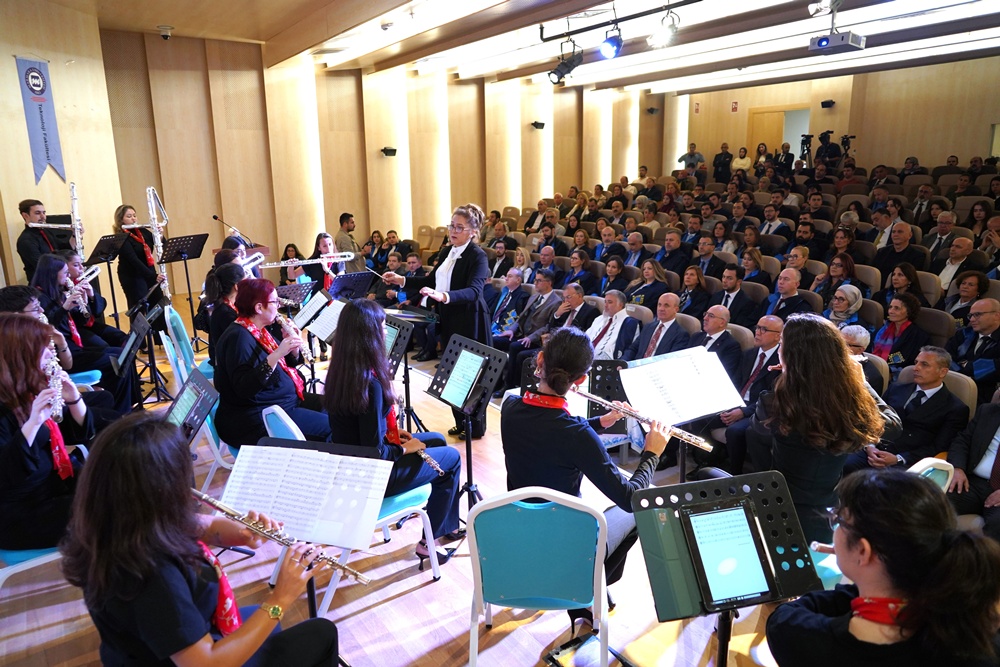
Before the protocol speeches at the ceremony, the Marmara Flute Orchestra performed under the direction of Prof. Ece Karşal.
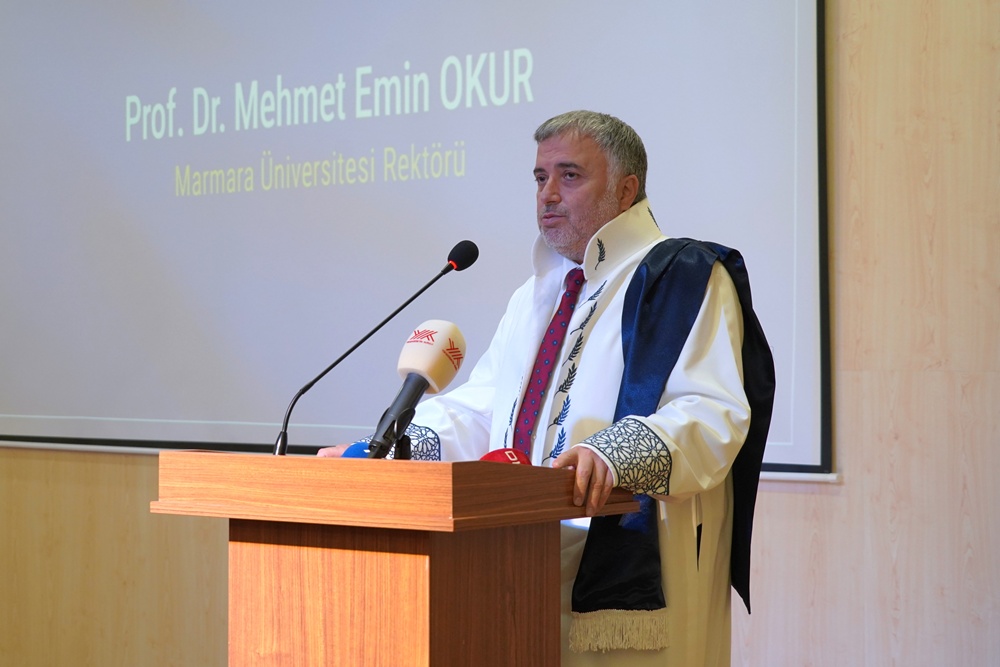
In his address, Marmara University Rector Prof. Mehmet Emin Okur stated that the 2030 Vision for Turkish Higher Education, announced by CoHE President Özvar, provided a roadmap for the university and that they were continuing their work with this roadmap as their focus.
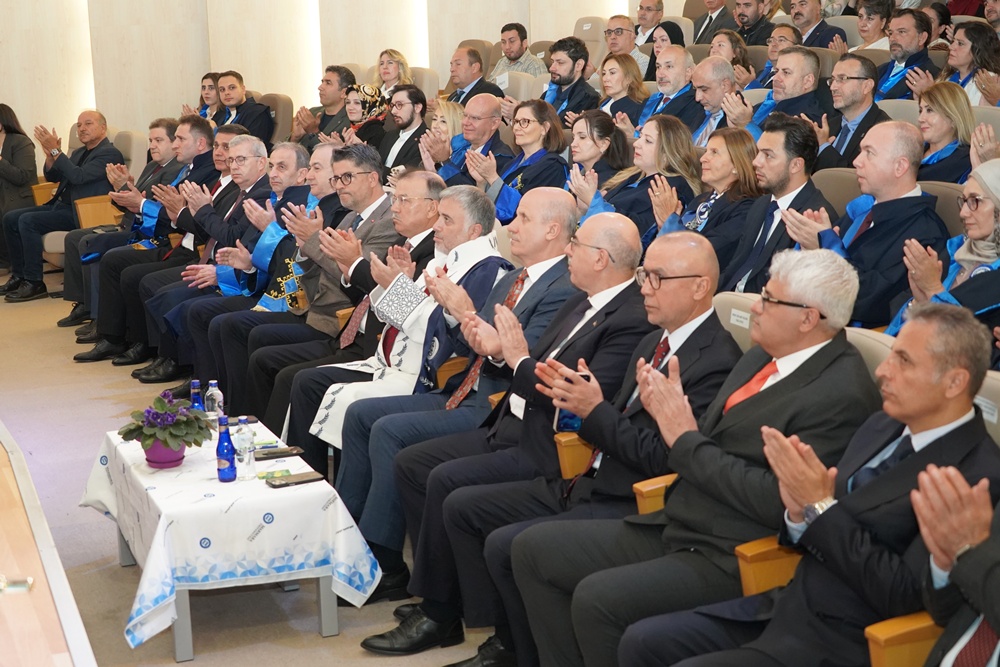
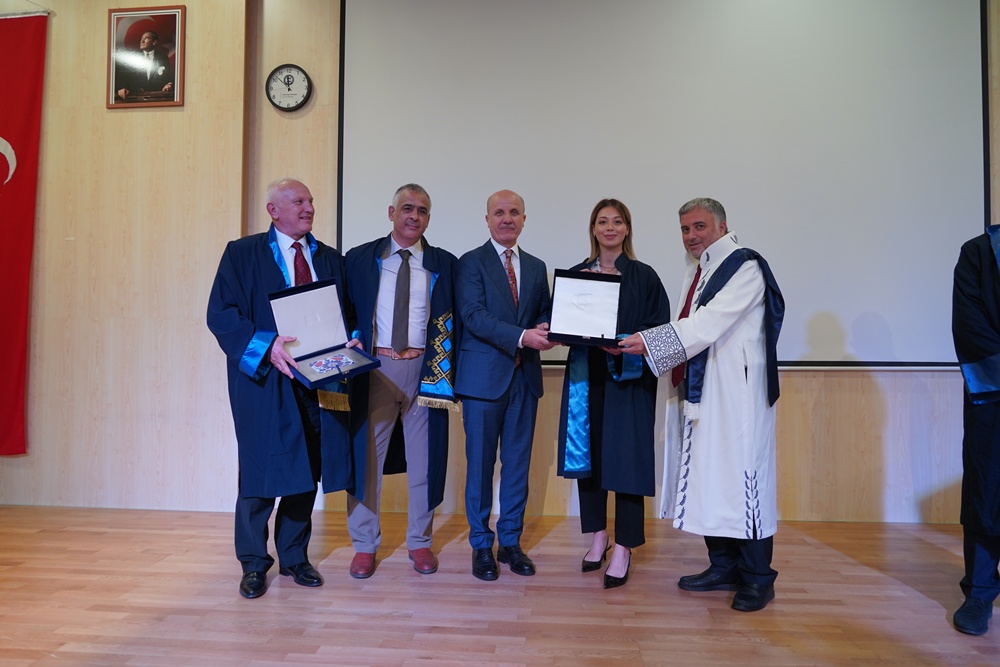
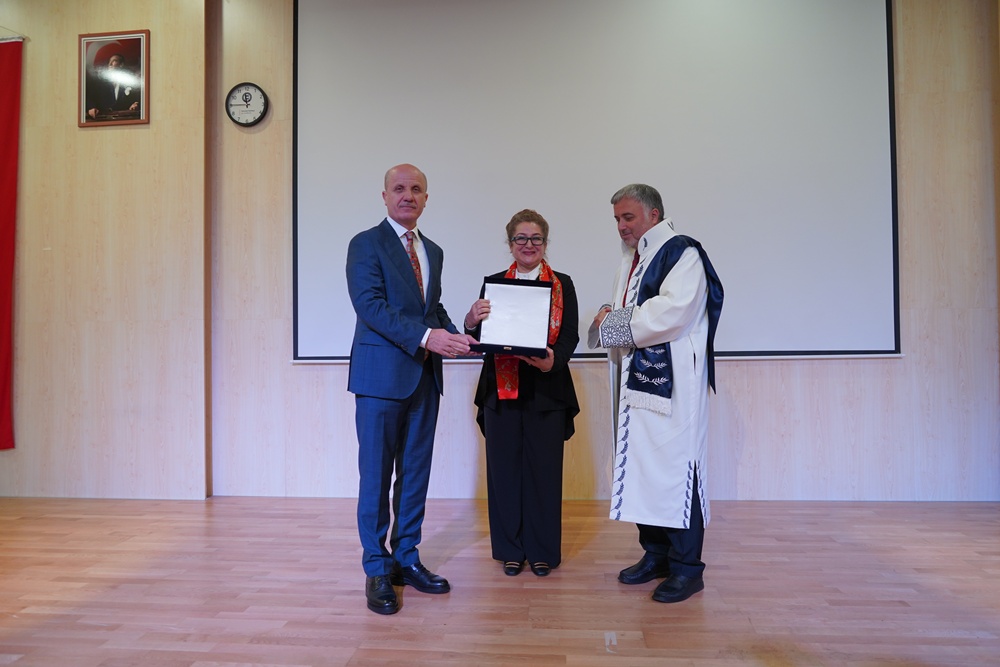
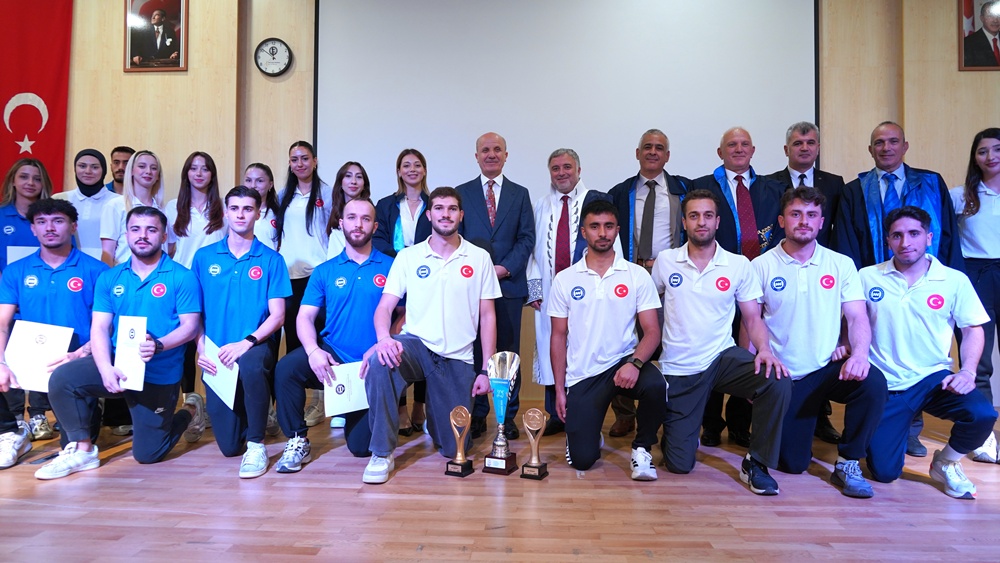
Following the speeches, CoHE President Erol Özvar presented awards to successful students and their instructors.
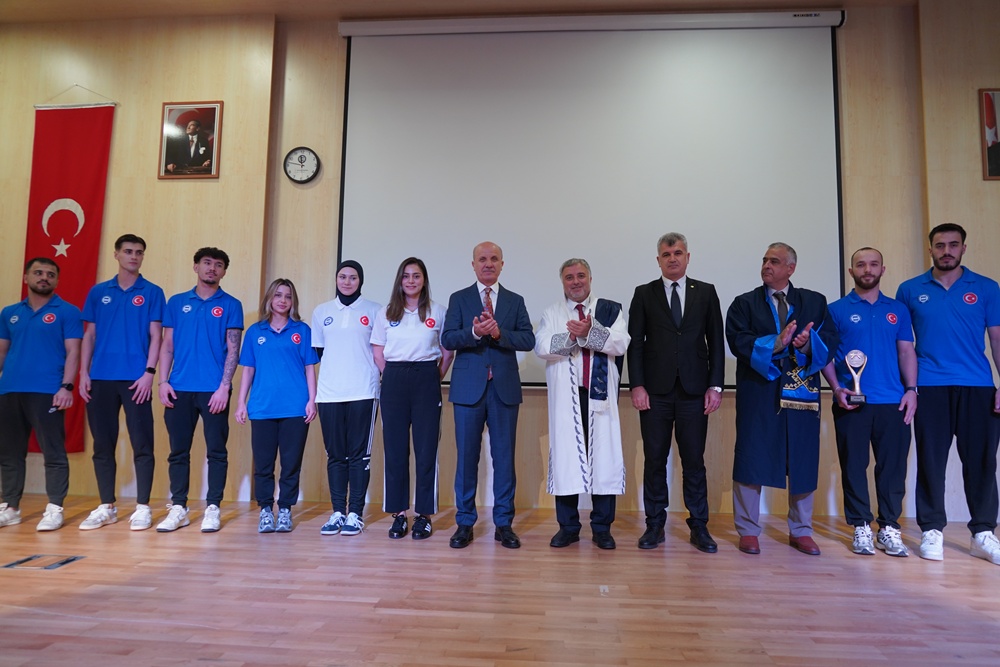
The Marmara Flute Orchestra, which won first place at the European Open Music Competition; Marmara University’s Taekwondo team, which won the European Universities Championship; and the Marmara University team, which won the International Universities Search and Rescue Games, received their awards from CoHE President Özvar.
Images
Images