


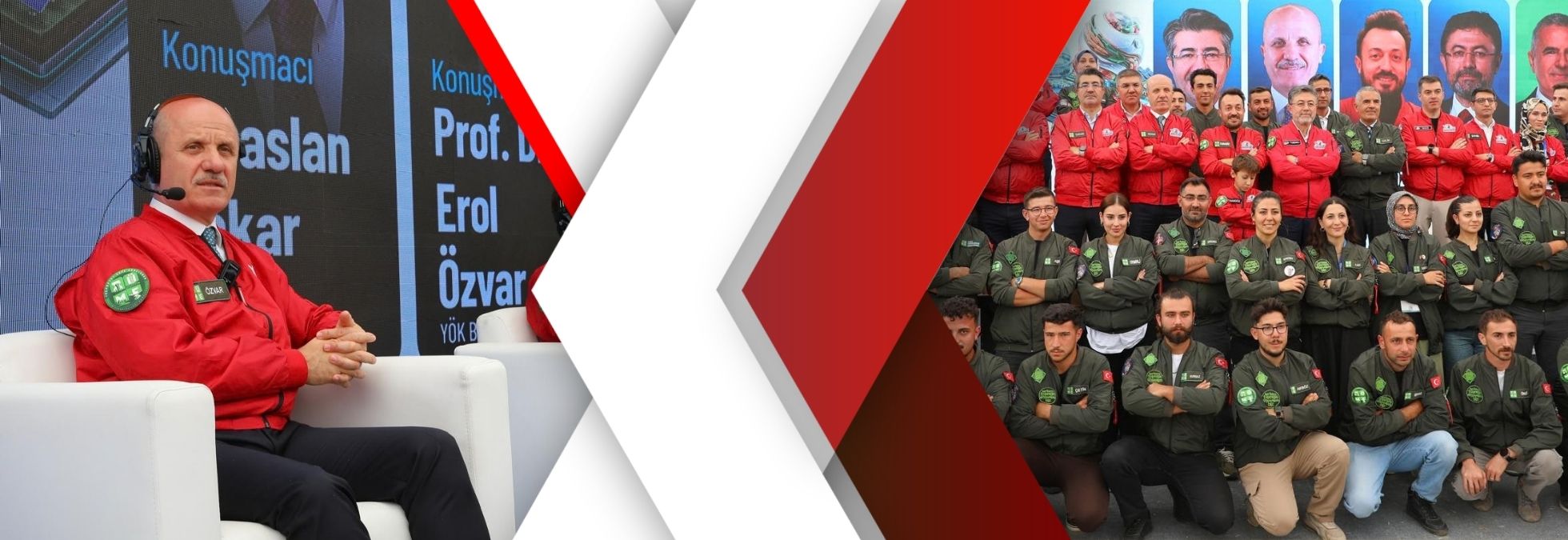
CoHE President Özvar Attends “Agriculture, Youth and Technology” Panel
- The future of agriculture was discussed at the panel in terms of education, financing and technological transformation.
- Özvar: “Enrollment in the associate and undergraduate programs we have introduced in agriculture and animal husbandry has reached 100%.”
- “Türkiye has one of the fastest-responding education systems in the world when it comes to emerging developments in agriculture and animal husbandry.”
October 4, 2026
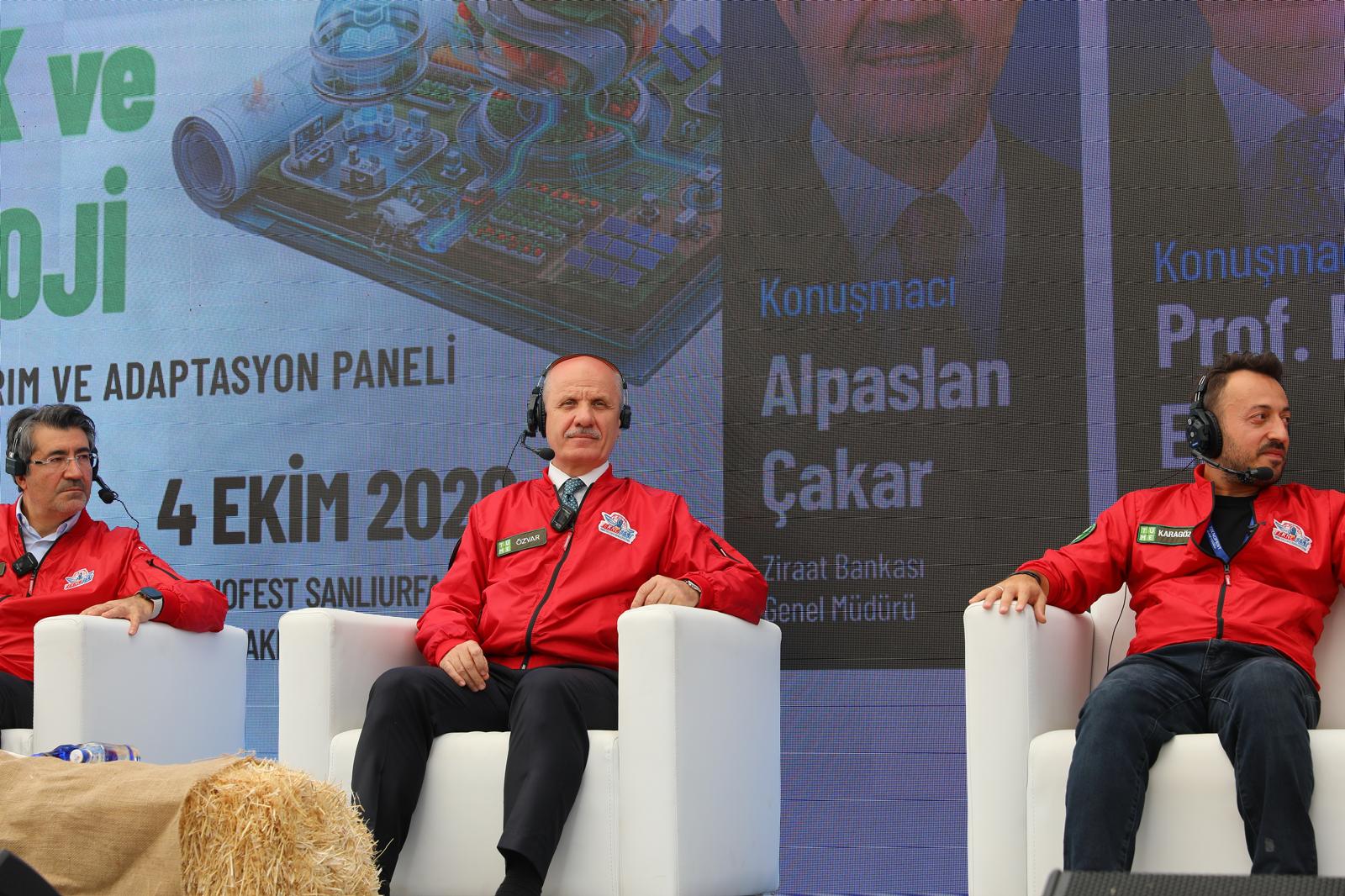
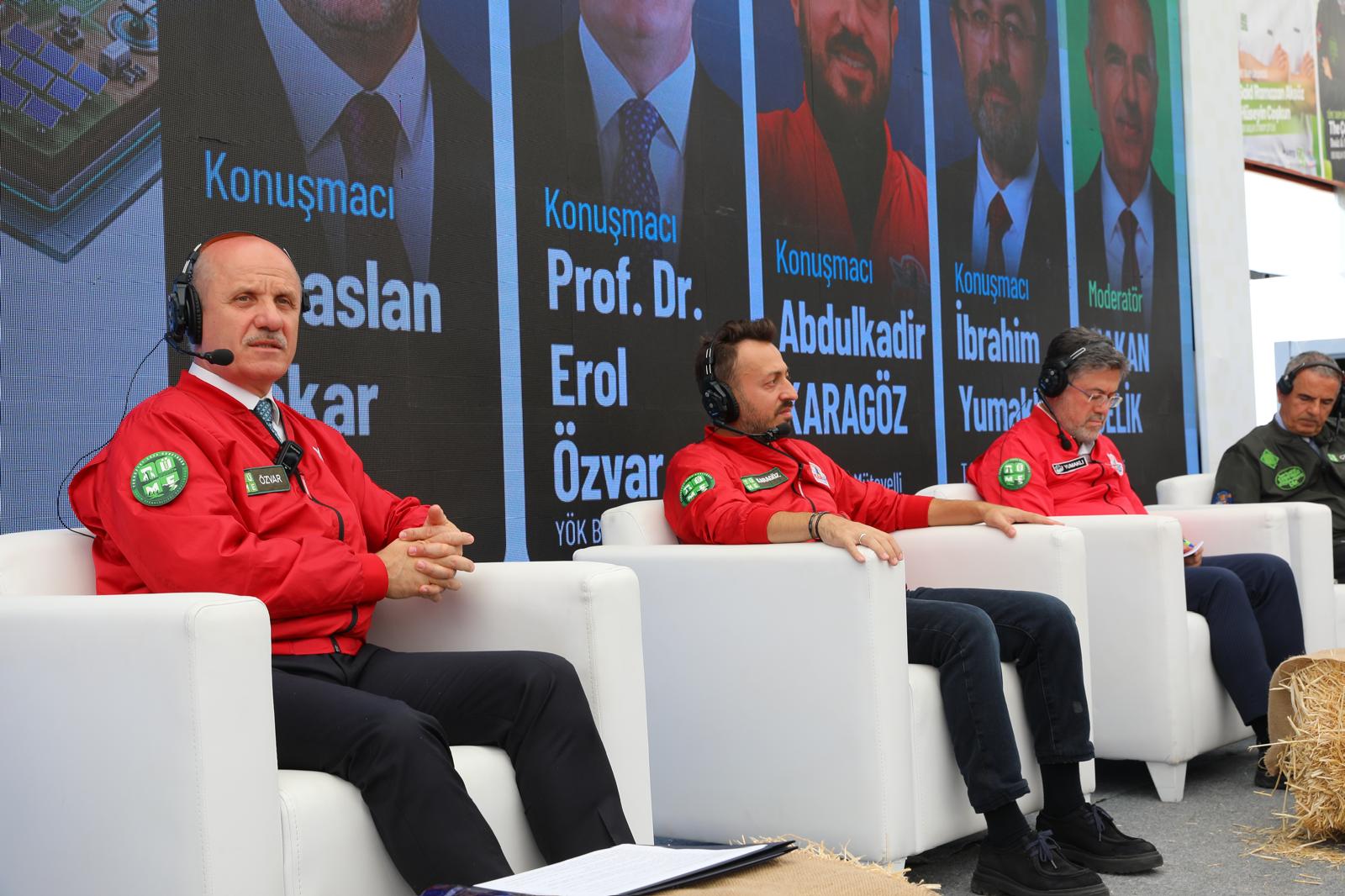
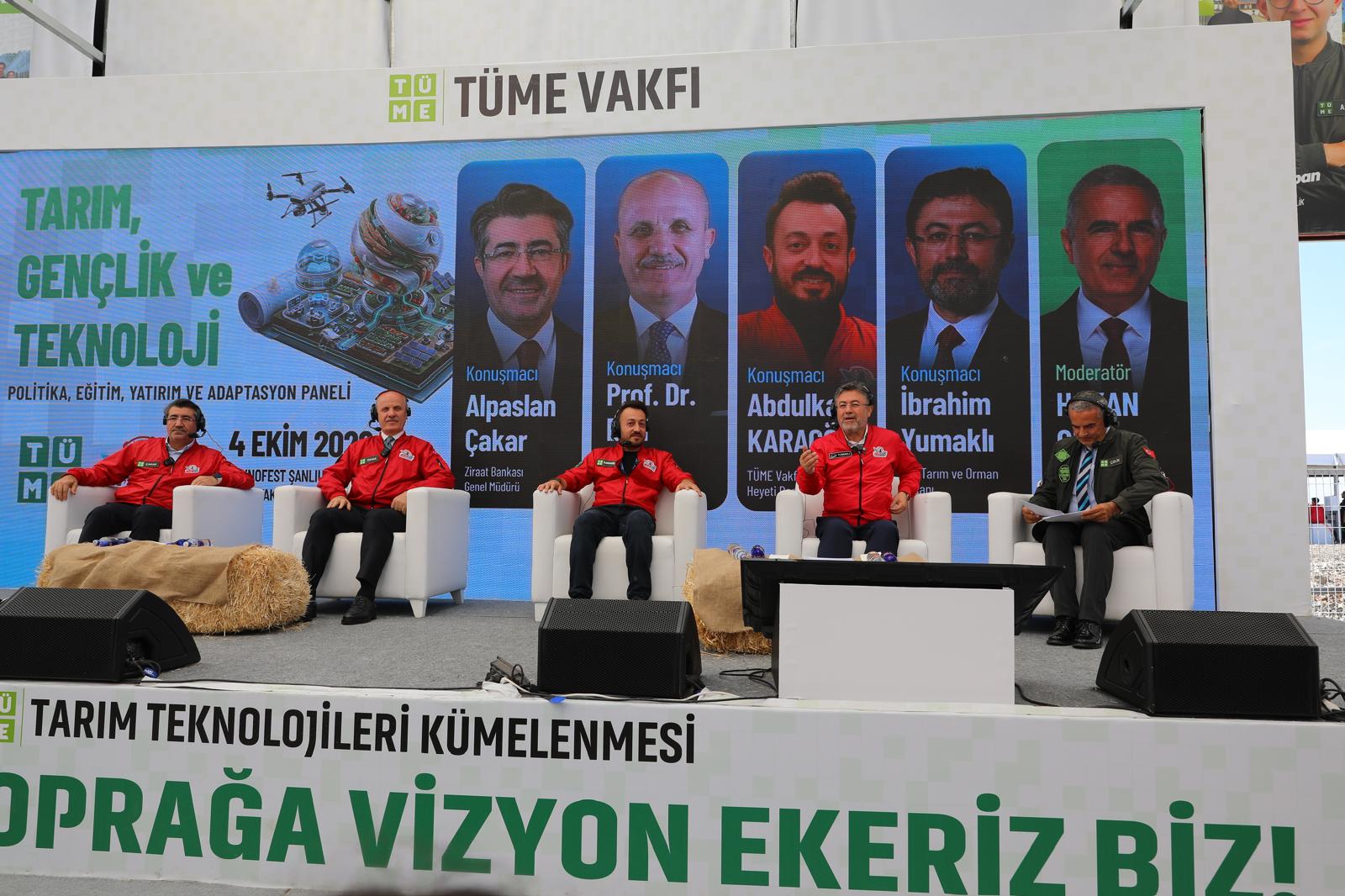
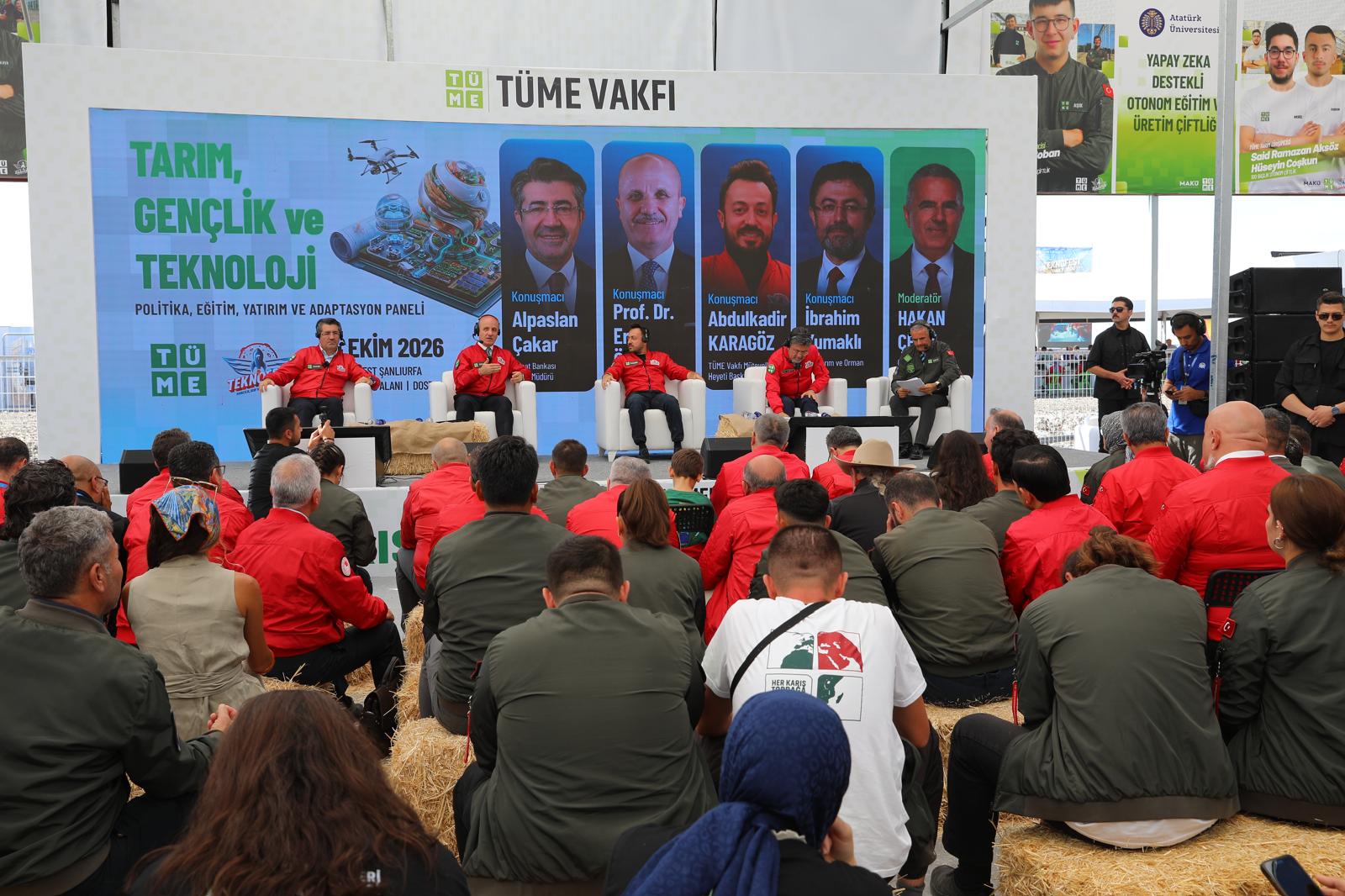
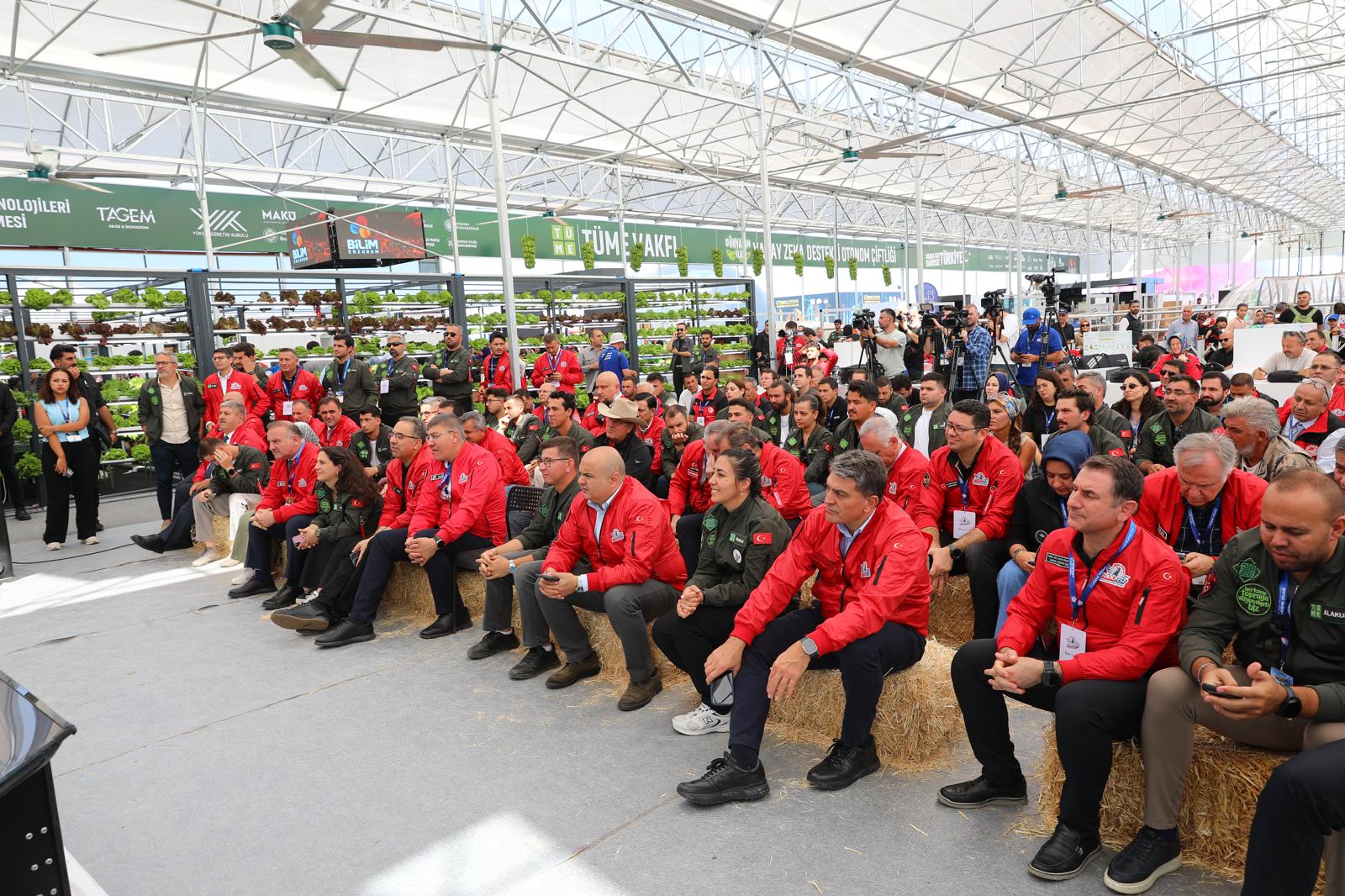
Erol Özvar, President of the Council of Higher Education (CoHE), attended the “Agriculture, Youth and Technology” panel organized by the Agricultural Technologies Cluster Foundation (TÜME) as part of TEKNOFEST Southeast.
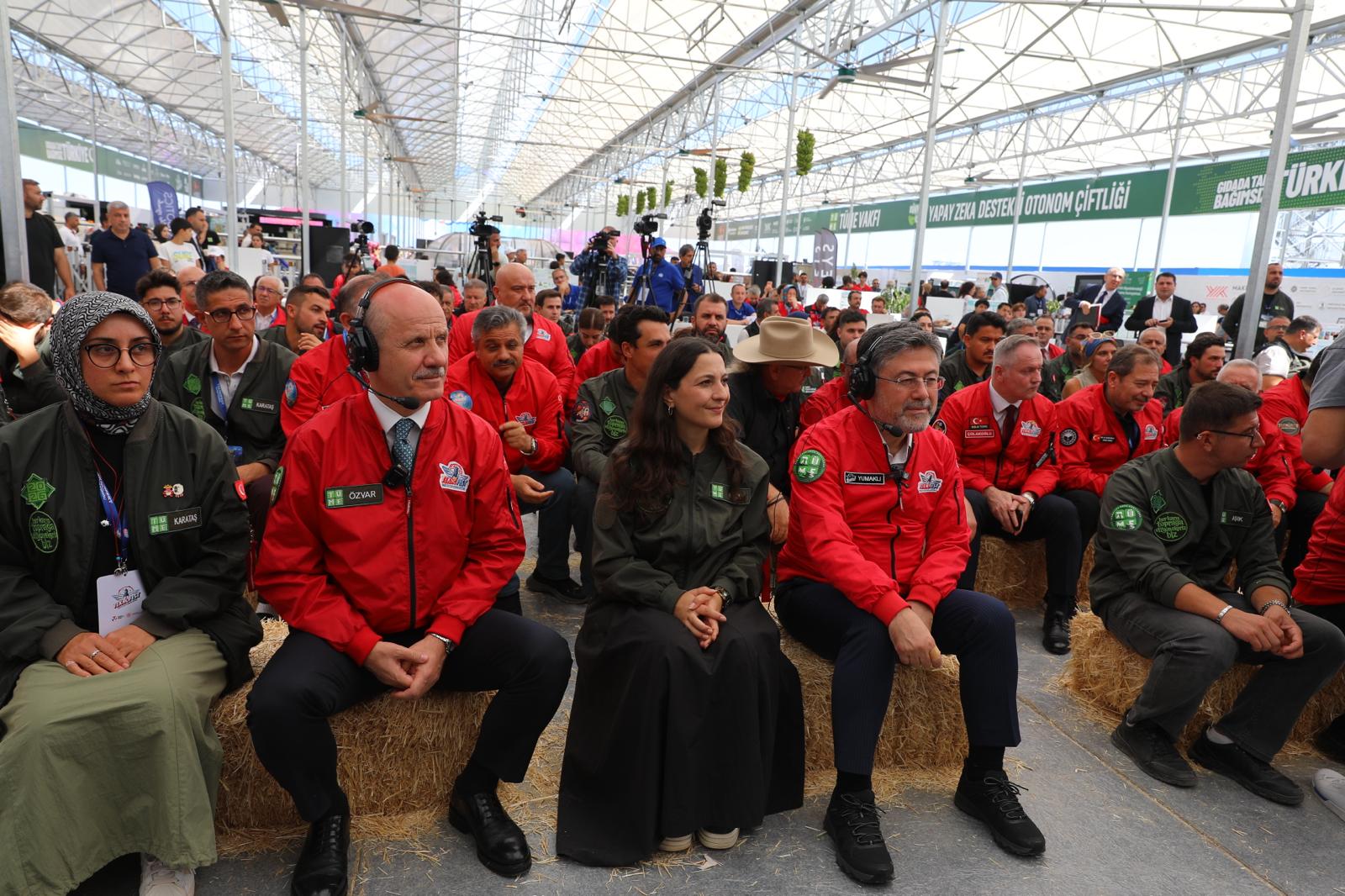
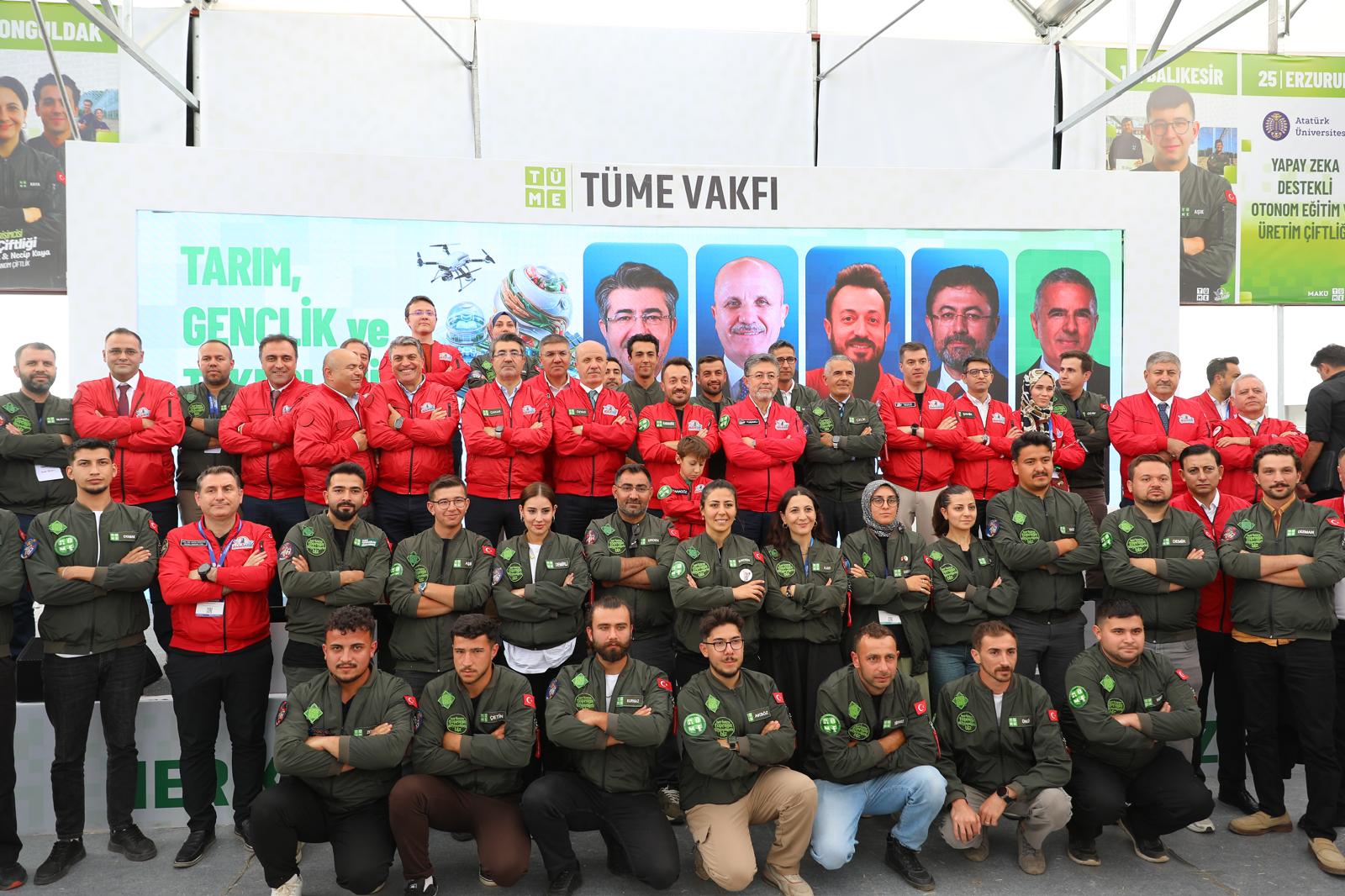
Held on the final day of the festival at the Dost Stage in the TÜME Foundation area, the panel examined Türkiye’s agricultural vision for 2035 in terms of policy, education, financing, technology and field applications. The panel was also attended by Minister of Agriculture and Forestry İbrahim Yumaklı, Ziraat Bank General Manager Alpaslan Çakar, and Abdulkadir Karagöz, Chair of the TÜME Foundation Board of Trustees.
Under the title “Policy, Education, Investment and Adaptation,” the panel examined the transformation of the agricultural sector from a comprehensive perspective. Participants emphasized that the future of agriculture must address not only production but also human resources, technological development capacity and access to financing.
A key message of the panel was that the discussion should focus not merely on the future of agriculture, but on “the farmers of the future, the farms of the future, and the policy, education, technology and financing ecosystem that will make them possible.”
“Agriculture and animal husbandry are strategic fields”
Özvar noted that TEKNOFEST was an important event embraced by all segments of Turkish society. He said it was particularly valuable that the festival included civilian initiatives, civilian technologies and issues of critical importance to Türkiye. Özvar also emphasized the importance of the TÜME Foundation bringing agriculture and related topics to platforms such as TEKNOFEST.
Pointing out that agriculture and animal husbandry were strategic fields, Özvar stated that the Council of Higher Education attached particular importance to both areas.
“The fundamental responsibility of universities is to train a qualified workforce”
In his remarks, Özvar stated that CoHE’s fundamental responsibility was to improve the quality of the country’s human resources.
Emphasizing the significant responsibilities universities carried in agriculture and animal husbandry, Özvar said, “The most important task is to ensure that our young people receive the highest possible level of training in these fields. Today, the number of students enrolled in agricultural faculties in Türkiye is approaching 45,000. Meanwhile, the number of students studying veterinary medicine—in other words, animal husbandry-related fields—reaches 20,000 when master’s and doctoral students are included. Looking at the country as a whole, we are therefore talking about a very substantial student population of nearly 60,000 to 70,000 in agriculture and animal husbandry.”
A new generation of agricultural education at universities
Özvar highlighted the importance of educational investments, particularly those being pursued under the leadership of President Recep Tayyip Erdoğan, to train young people with the skills and expertise needed in agriculture and animal husbandry. He said these fields were receiving special attention.
Stating that agriculture and animal husbandry were at least as strategic as the defense industry, Özvar emphasized that CoHE approached these fields from the same perspective.
Özvar explained that universities were moving beyond an approach limited to traditional and conventional programs in agriculture, animal husbandry and veterinary medicine. He noted that digital agriculture, smart systems, autonomous technologies and robotics were now receiving equal attention, and that curricula were being revised to meet emerging needs.
He continued: “Over the past three to four years, significant changes have taken place in undergraduate and associate degree programs at Turkish universities. Many programs that have become less relevant to employment are being phased out, while new programs that are more responsive to labor market needs are being introduced. A significant proportion of these newly introduced programs are in agriculture and animal husbandry. Numerous new programs, particularly in agricultural machinery technology, autonomous agricultural systems and the use of drone technologies, have now been incorporated into university curricula. Over the past three years, enrollment in the associate and undergraduate programs we have introduced in agriculture and animal husbandry has reached 100%.”
Emphasis on hands-on training and collaboration
Özvar stated that the agriculture of the future would require a new structure in which engineering and technology fields work together. He highlighted the importance of expanding hands-on training at universities and increasing students’ engagement with real-world production environments.
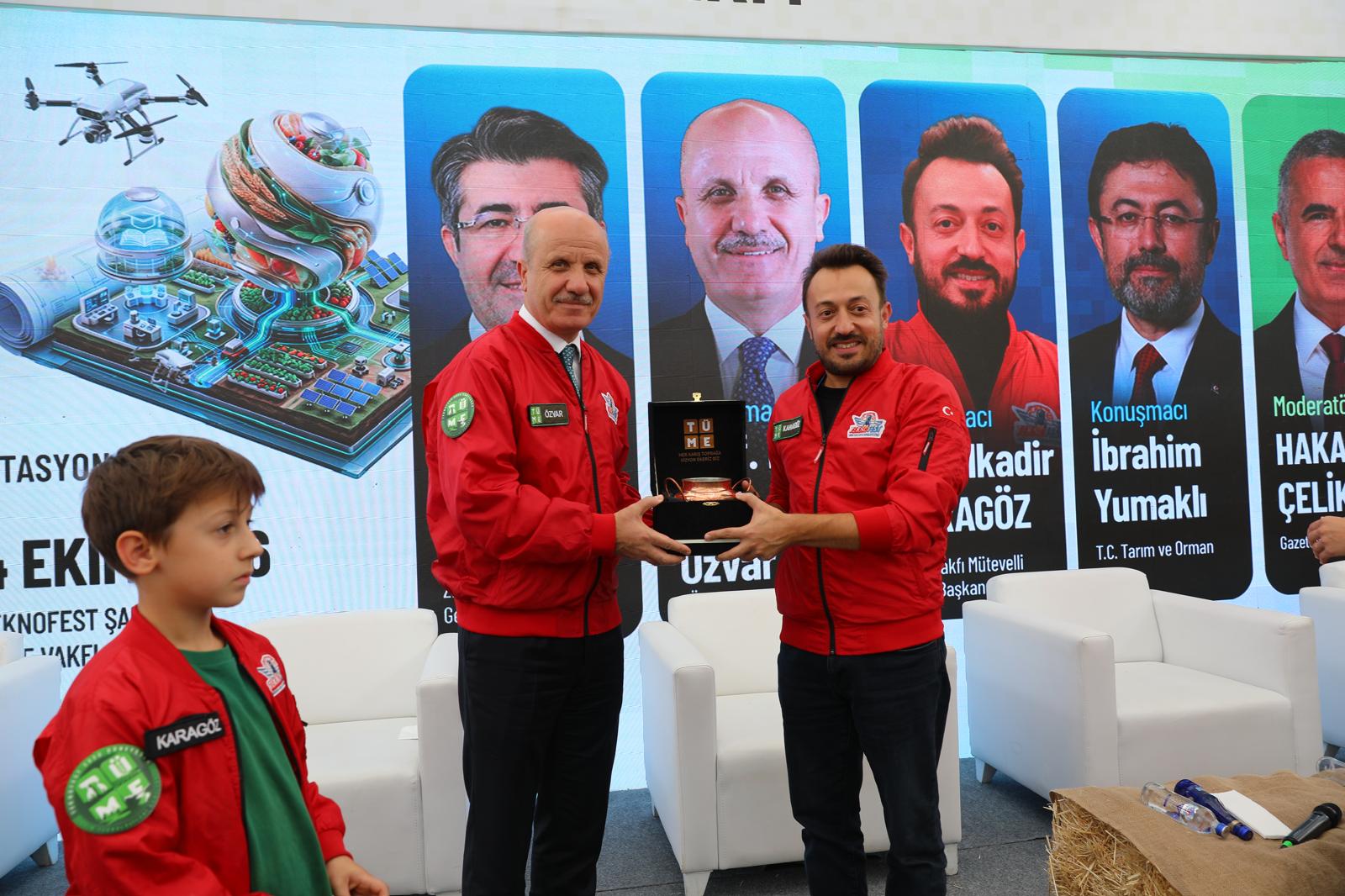
Referring to the development of cooperation with the TÜME Foundation, Özvar said discussions had begun in February, followed by a meeting in March at which important steps were taken to connect the capacity developed by this civilian initiative with higher education institutions.
Özvar explained that the educational environment established by the TÜME Foundation offered universities a valuable opportunity to help young people learn to use and develop technology and turn production needs into innovative ideas. He said the collaboration had been implemented through an agreement signed between CoHE and the TÜME Foundation.
Recalling that the initiative initially involved four universities and had since expanded to a total of 10 with the addition of six more, Özvar emphasized that universities had embraced the collaboration quickly and that it had demonstrated its ability to meet an important need.
Stating that partnerships between the TÜME Foundation and universities would expand students’ opportunities for practical experience, Özvar said such models could make significant contributions to entrepreneurship and employment.
Özvar noted that Türkiye was among the countries able to adapt rapidly in agricultural and animal husbandry education, adding that future graduates would be equipped with substantially stronger skills and knowledge.
Özvar tours TEKNOFEST and meets young participants
Following the panel, Erol Özvar toured the TEKNOFEST Southeast grounds, visited exhibition stands and received information about the projects on display. He then met with young people who had placed in competitions held as part of TEKNOFEST and congratulated the students on their achievements.
Images
Images