


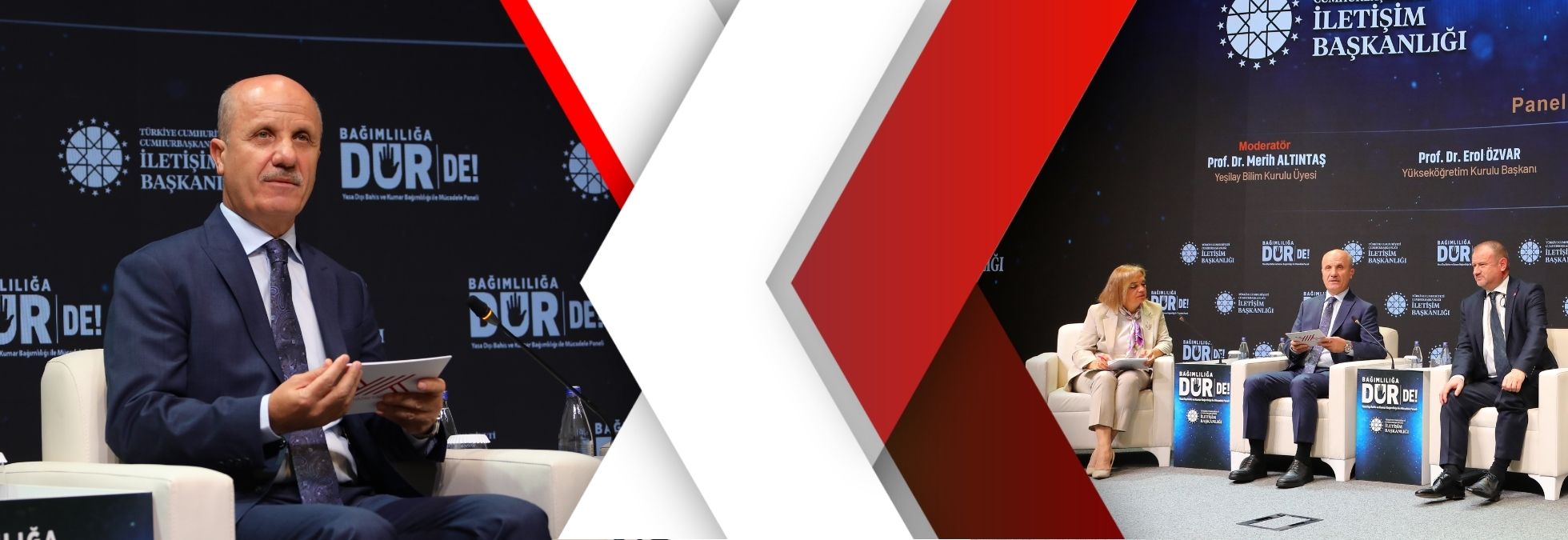
CoHE Launches Initiative to Combat Illegal Betting and Gambling at Universities
- CoHE President Özvar: “We should do more than simply tell our young people to ‘stay away’ or that something is ‘prohibited’”
“Awareness-raising efforts at universities will be expanded, while counseling and referral capacity will be strengthened. Students will be informed about the manipulation methods used by illegal betting networks and false narratives of easy winnings.”
“The experience gained through Smoke-Free Campus and Sports-Friendly Campus initiatives will be applied to the fight against illegal betting and gambling.”
September 9, 2026
Council of Higher Education (CoHE) President Erol Özvar announced that awareness-raising activities against illegal betting and gambling addiction at universities would be expanded, counseling and referral capacity would be strengthened, scientific research would be supported, and examples of good practices would be disseminated.
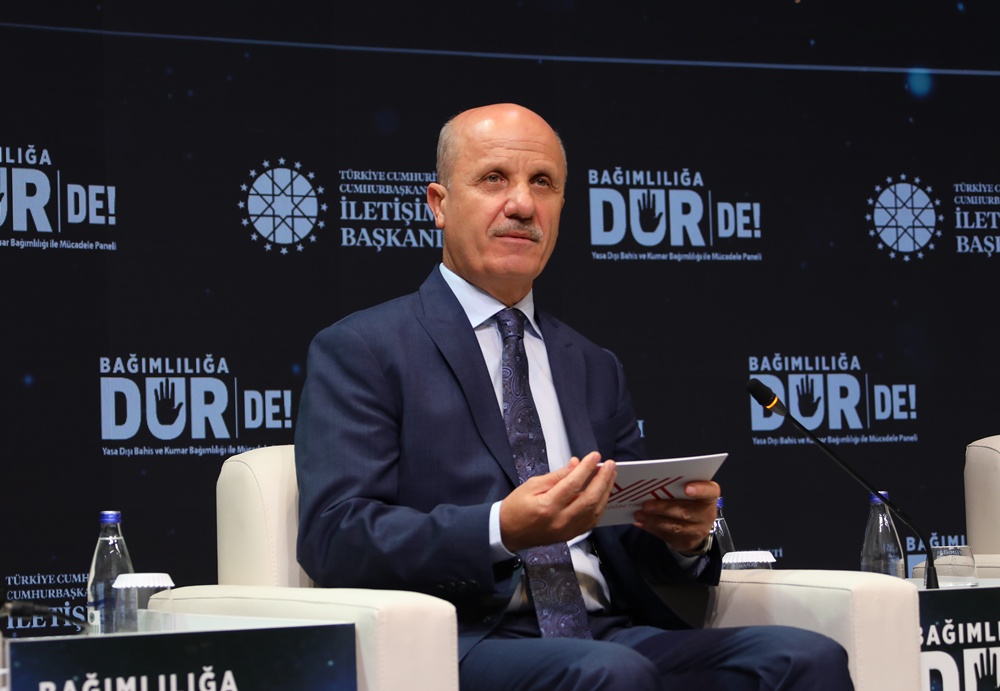
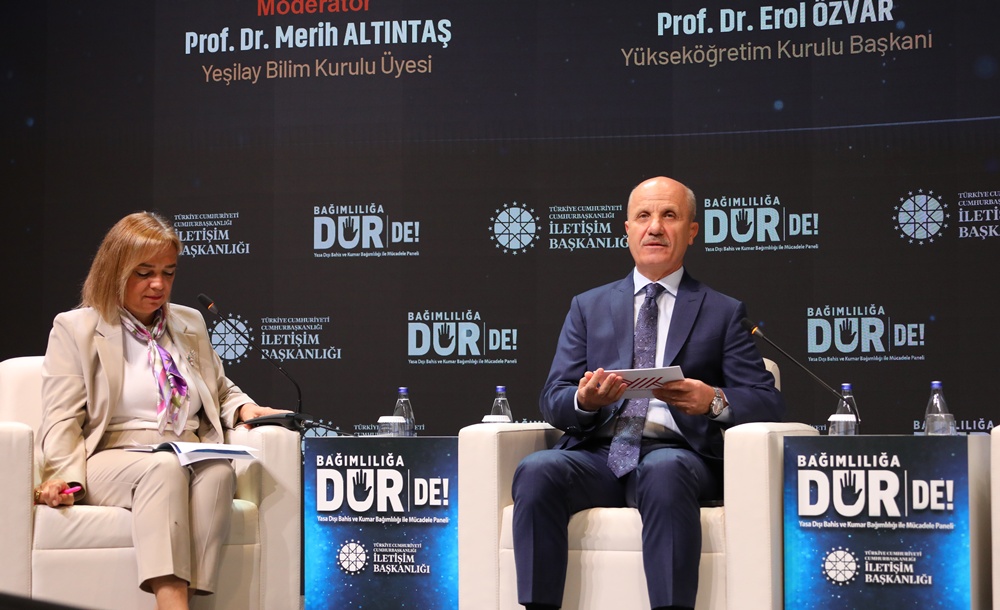
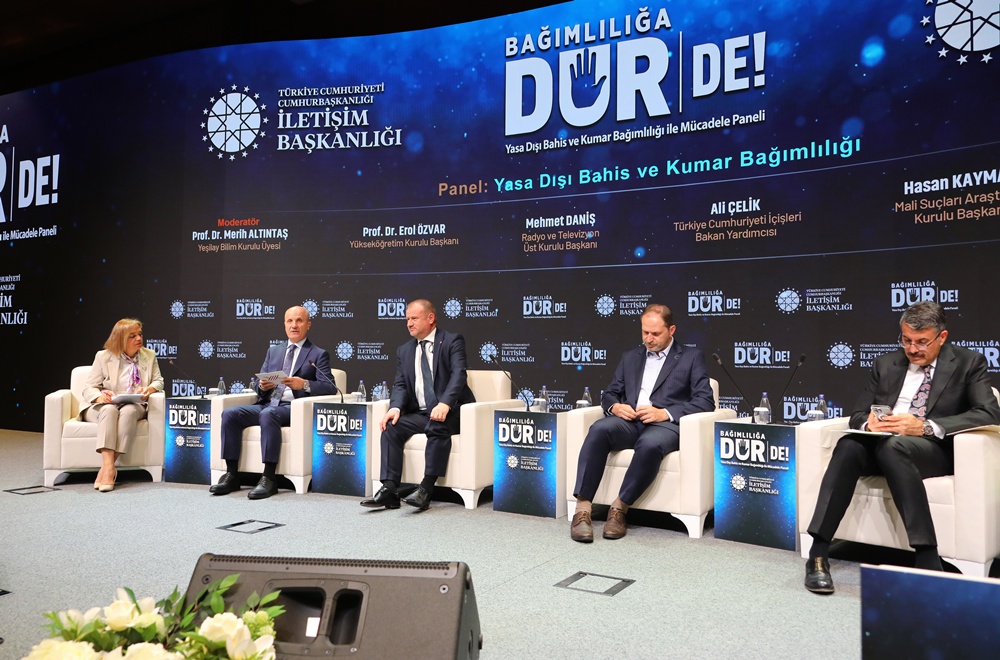
Özvar attended the panel titled “Say No to Addiction: Combating Illegal Betting and Gambling Addiction,” organized by the Presidency of Communications.
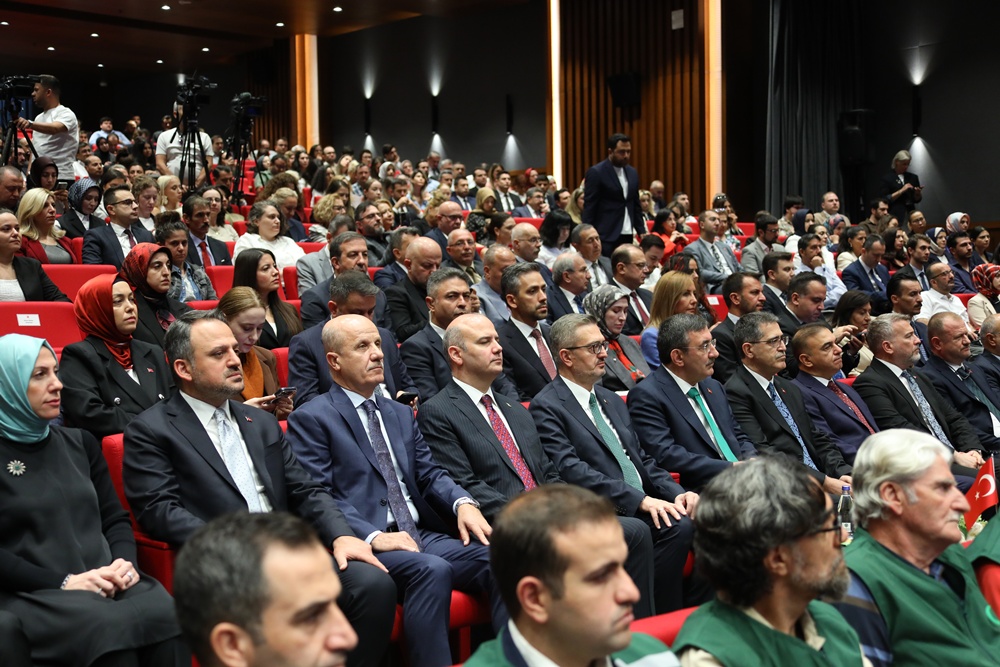
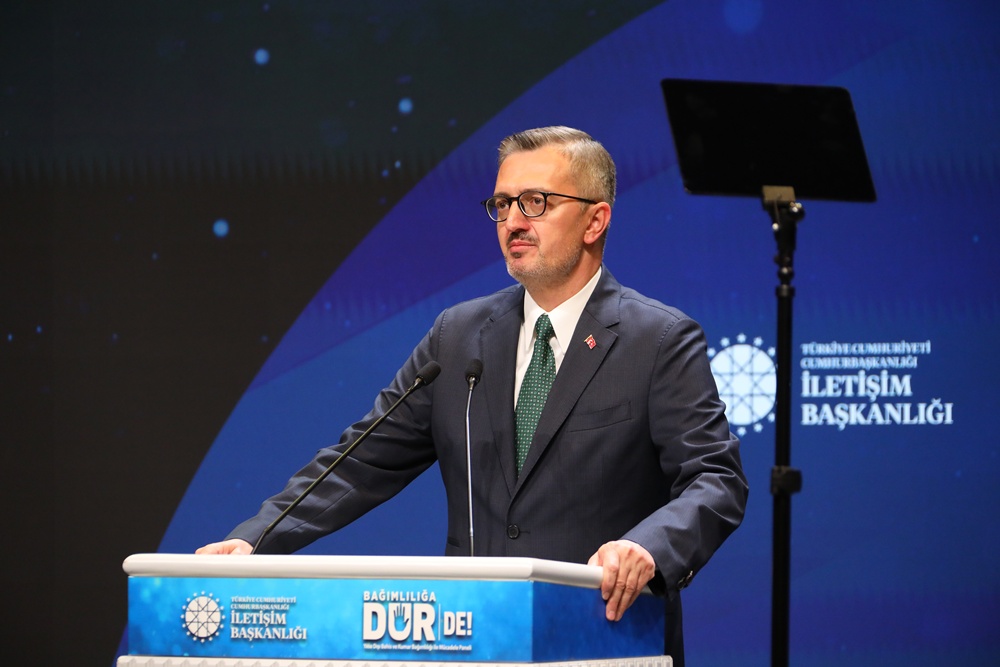
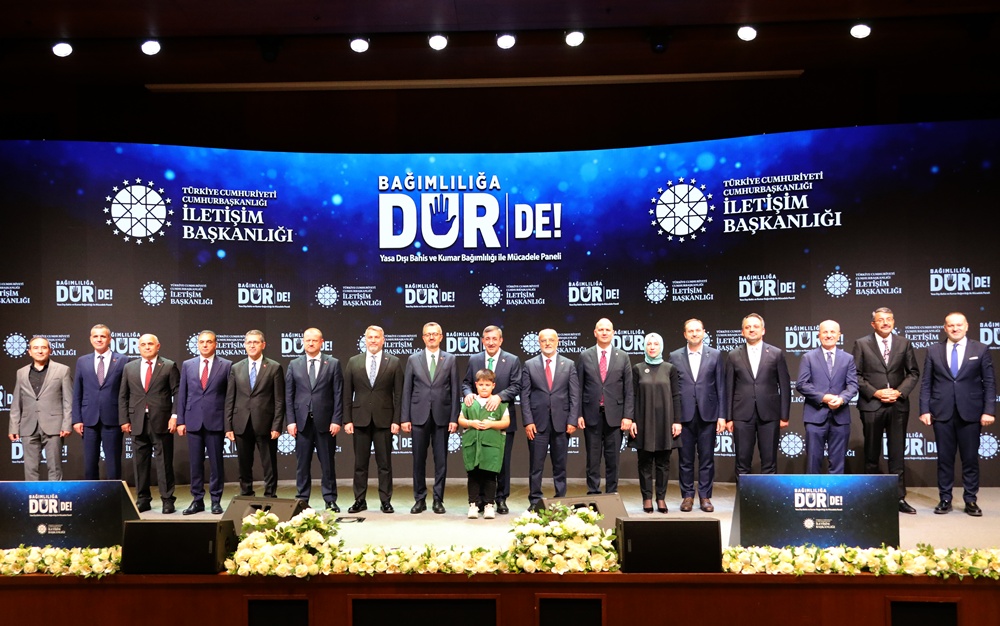
At the panel held at the Presidency of Communications, participants discussed ways to raise awareness of and combat illegal betting and gambling addiction, which have become increasingly widespread with digitalization. Numerous representatives of public institutions attended the event, which opened with remarks by Vice President Cevdet Yılmaz and President of Communications Burhanettin Duran.
Speaking at the panel, Özvar said that illegal betting and gambling addiction was not merely an individual problem, but a multidimensional issue affecting public health, family structures, young people’s education, social well-being, and economic welfare.
Noting that while digitalization offers opportunities that make life easier, it also creates new areas of risk, Özvar drew attention to the fact that illegal betting and gambling platforms use the reach and speed of digital media to target young people in particular with promises of easy money. He said that a process that begins as entertainment, curiosity, or a small experiment can, over time, develop into severe addiction that weakens an individual’s ability to make decisions and can lead to financial losses, indebtedness, family problems, disengagement from education, and social isolation.
- “The fight cannot be left to the responsibility of a single institution”
Emphasizing the need for a determined and comprehensive fight against illegal betting and gambling addiction, Özvar said that the issue could not be postponed or left to periodic campaigns or the responsibility of a single institution.
Özvar stated that all stakeholders—from families and schools to universities and public institutions, from the media and digital platforms to civil society organizations and local governments—must assume shared responsibility.
Noting that, alongside legal regulations, financial monitoring, access restrictions, and judicial and administrative measures, there was a need for strong awareness-raising efforts to help young people recognize the methods used by illegal betting networks, Özvar said that early intervention, psychosocial support, and healthy alternatives to such activities were also important components of the fight.
- “Campus culture influences young people’s life choices”
Stating that universities should be among the most important stakeholders in this fight, Özvar noted that campuses are environments where millions of young people spend one of the most dynamic periods of their lives, shaping their identities, habits, friendships, and future goals.
Emphasizing that the culture developed on campuses directly influences students’ perspectives on life and their choices, Özvar said, “We must make university campuses centers of science, sports, arts, culture, and a vibrant social life.”
Özvar said that as meaningful goals, a sense of belonging, healthy friendships, and productive activities become stronger in a young person’s life, the gaps that can lead to addiction will also narrow. He added, “We should do more than simply tell our young people to ‘stay away’ or that something is ‘prohibited’; we must also expand the opportunities that enable them to turn toward what is good, positive, and beneficial.”
- Students at risk to be identified at an early stage
Addressing the role universities can play in combating illegal betting and gambling, Özvar said that students at risk should be identified at an early stage and, while respecting their privacy, directed toward appropriate support.
Pointing to the importance of establishing effective coordination among medico-social units, psychological counseling centers, academic advisors, and other relevant units, Özvar said that mechanisms enabling students to access the support they need should be strengthened. He stated that students should have access to accurate information about the true nature of illegal betting and gambling, the manipulation methods used, and the psychological, economic, and legal consequences they may cause. He also emphasized the importance of strengthening students’ digital literacy against advertising, directing, and false narratives of easy winnings on social media and other digital platforms.
- Researchers from different disciplines, from medicine to information technologies, to work together
Stating that the production of academic knowledge should also be strengthened in the fight against illegal betting and gambling addiction, Özvar called for scientific research into the factors that drive young people toward addiction and the methods of manipulation used by digital platforms.
Emphasizing the need for more theses and publications on practices aimed at preventing and treating addiction, Özvar said that expertise from different disciplines—from medicine and health sciences to psychology, from sociology to law, and from communications to information technologies—should be brought together in joint projects.
Stating that students should not be viewed merely as a target group in the fight against illegal betting and gambling, Özvar emphasized the importance of making young people active participants in finding solutions.
Özvar said that enabling young people to reach their peers through student clubs, peer education programs, volunteer activities, and social responsibility projects was particularly valuable, adding, “Peer-to-peer communication built on the right language can sometimes have a much stronger and more lasting impact than an official warning.”
- A healthy and productive campus model
Stating that the Council of Higher Education considers transforming universities into healthy, safe, and productive living environments to be among its key priorities, Özvar said that they view the fight against addiction not merely as a health or security issue, but as an integral part of a high-quality higher education environment.
Özvar noted that the Sports-Friendly Campus Program promotes active lifestyles at universities, increases participation in sports activities, and strengthens student clubs. He said that they aim to create a campus environment that supports students’ mental and physical well-being. Özvar also stated that the Smoke-Free Campus Implementation Guide, prepared in cooperation with the Ministry of Health and the Turkish Green Crescent, provides an institutional framework encompassing not only measures to prevent tobacco use but also awareness-raising, education, counseling, referral, monitoring, and sustainability.
Özvar stated that the experience gained through the Smoke-Free Campus and Sports-Friendly Campus initiatives could also serve as a guide in combating illegal betting and gambling addiction, adding that institutional ownership, clear criteria, awareness-raising activities, accessible support mechanisms, student participation, and regular monitoring should form the core elements of initiatives to be developed in this area.
- Joint research and digital awareness campaigns
Stating that the Council of Higher Education was ready to work in close cooperation with relevant public institutions and civil society organizations, Özvar said that joint research projects, training programs for students and staff, and digital awareness campaigns could be concrete areas of cooperation.
Emphasizing that young people should be supported in building their lives not around chance, promises of easy money, or addictions, but around knowledge, hard work, patience, and productivity, Özvar said, “Our young people, who are our country’s most valuable asset and its future, should live their lives not in the shadow of addiction, but in the light of science, education, sports, culture, the arts, and productivity. Their health, well-being, and success are of vital importance to the future of our country.”
Images


Images