


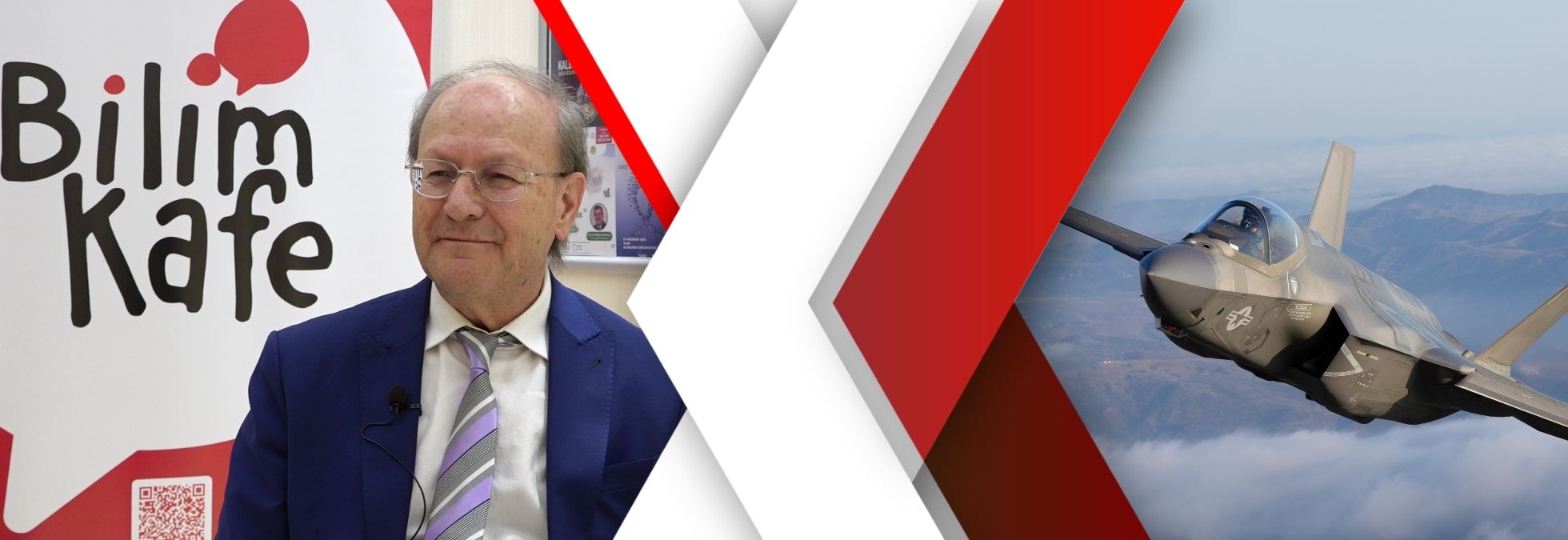
Praise for Science Communication from Turkish Engineer Behind the “Stealth” Technology of F-35 and B-2 Aircraft
- “The Council of Higher Education’s science communication model has strong potential to spread rapidly across Türkiye”
- “The knowledge and human capital within universities present a major opportunity for university–industry collaboration”
- “The applied education model is a highly significant achievement”
April 29, 2026
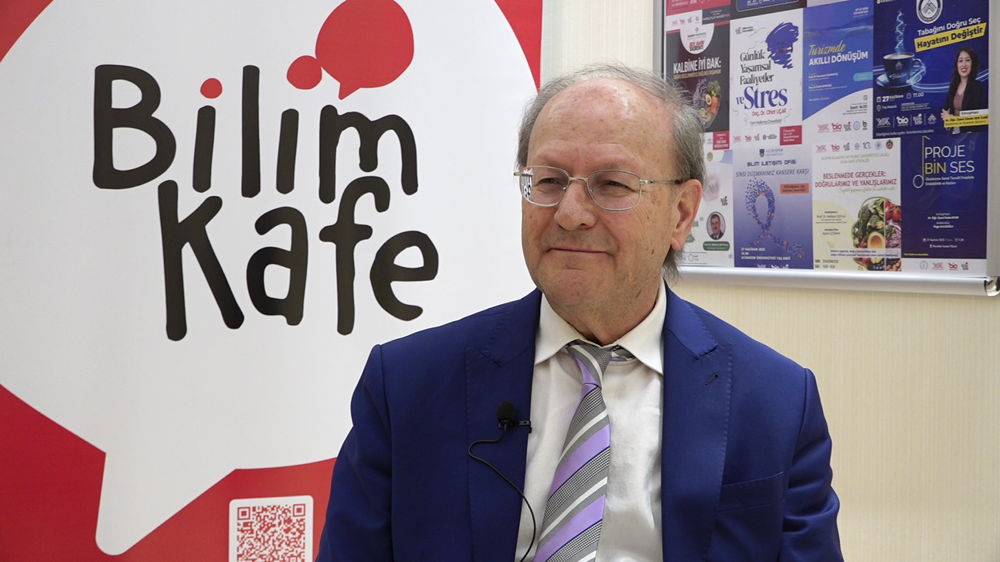
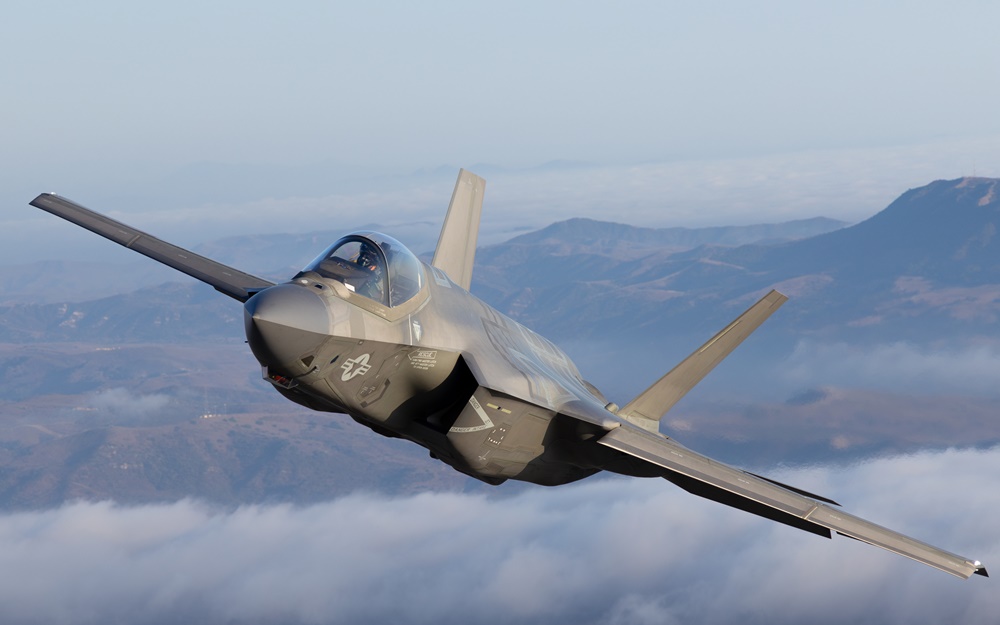
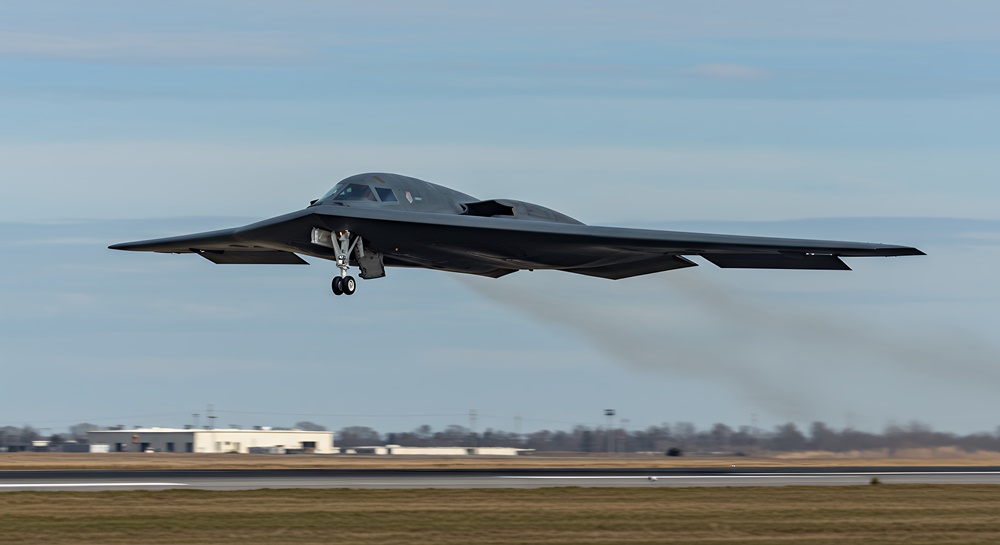
Turkish scientist Ergün Kırlıkovalı, known as the figure behind the “stealth coating” that enables the F-35 Lightning II and B-2 Spirit—widely regarded as among the world’s most advanced warplanes—to evade radar detection, visited the Council of Higher Education as part of his university outreach program in Türkiye.
Kırlıkovalı, founder of the U.S.-based Integrated Polymer Industries, is recognized in the aviation world as the “architect of stealth technology.” Having conducted research on radar-absorbing polymers since the 1980s, he became the sole material supplier for the B-2 Spirit strategic bomber starting in 1992 and has played a leading role since 2006 in developing the coating technology that renders F-35 Lightning II aircraft invisible to radar.
- “Türkiye Is Number One in Certain Fields”
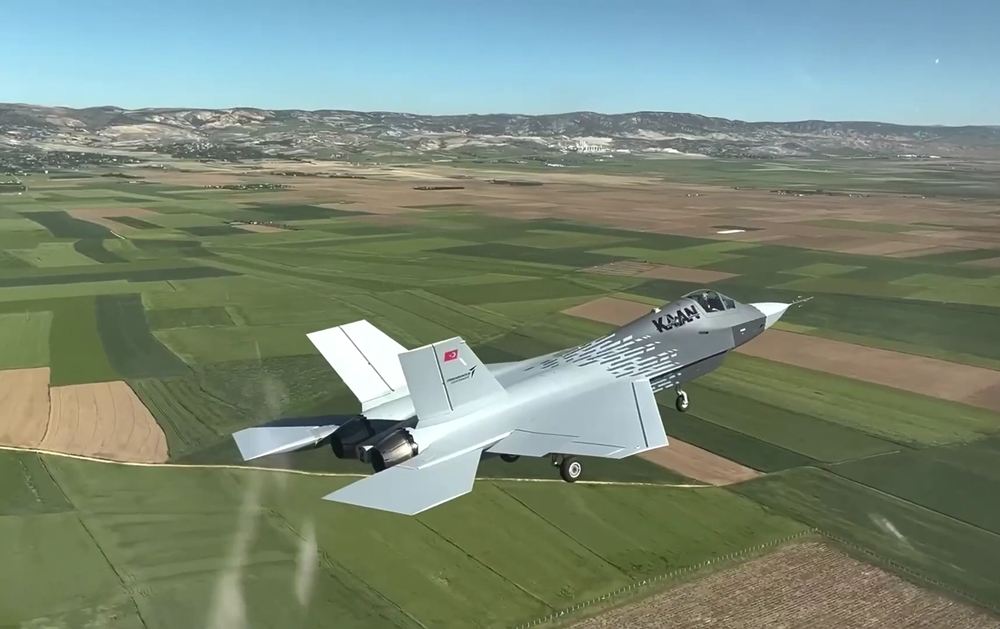
Stating that Türkiye has achieved a significant breakthrough in the defense industry, Kırlıkovalı shared his impressions from recent visits: “I toured Turkish Aerospace Industries and saw the KAAN. I visited ASELSAN. I was extremely impressed. There are remarkable innovations. Türkiye does not merely imitate what it sees elsewhere—it builds upon it. Particularly in the field of unmanned aerial vehicles, I believe it has reached the number one position globally.”
He emphasized that Türkiye must continue advancing with determination in this field and noted that innovation and creativity are mutually reinforcing processes.
- “University–Industry Collaboration Must Be Strengthened”
Kırlıkovalı stated that universities in Türkiye are at a level capable of making significant contributions both to the defense industry and to other sectors: “The knowledge and human capital within universities present a major opportunity for university–industry collaboration. This intellectual capacity exists in our universities. However, we need to organize this capacity more effectively to respond to the needs of industry. Stronger and more sustained collaborations can be established.”
- “The Applied Education Model Is a Major Achievement”
Evaluating the applied education model initiated by the Council of Higher Education—which enables students to gain long-term workplace experience—Kırlıkovalı stated that this approach will provide significant benefits for both students and the industry.
He stressed that university students should be involved in R&D processes at earlier stages and highlighted the importance of making more effective use of technoparks and laboratories. Expanding environments where students can test their ideas, he noted, will accelerate innovation processes.
Kırlıkovalı also emphasized that Türkiye is not only developing products in the defense industry but is also building a strong ecosystem, which will serve as a crucial foundation for future generations.
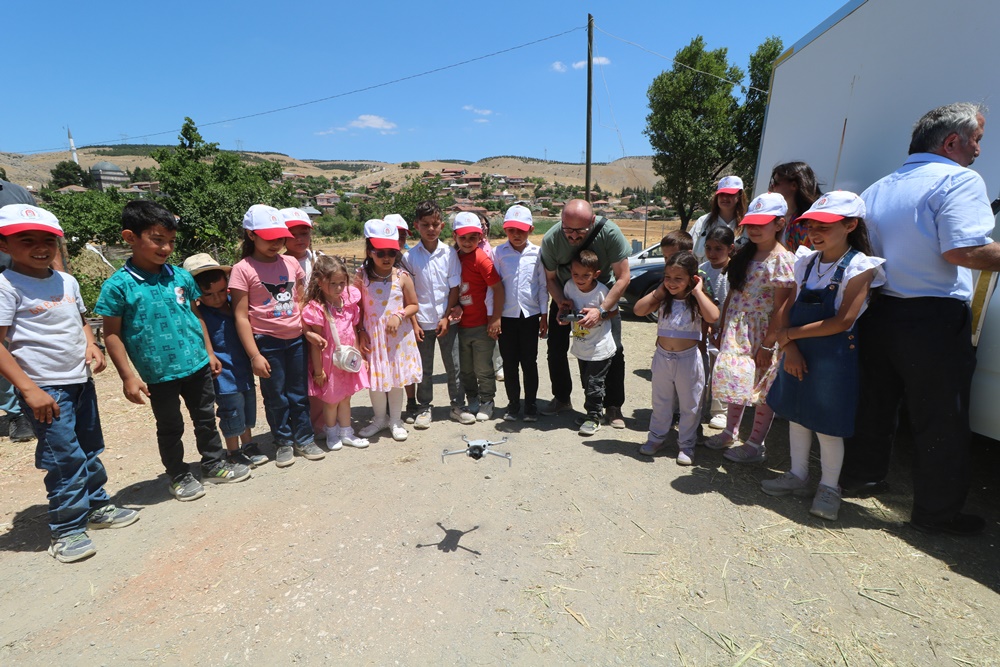
Praise for Science Communication Activities
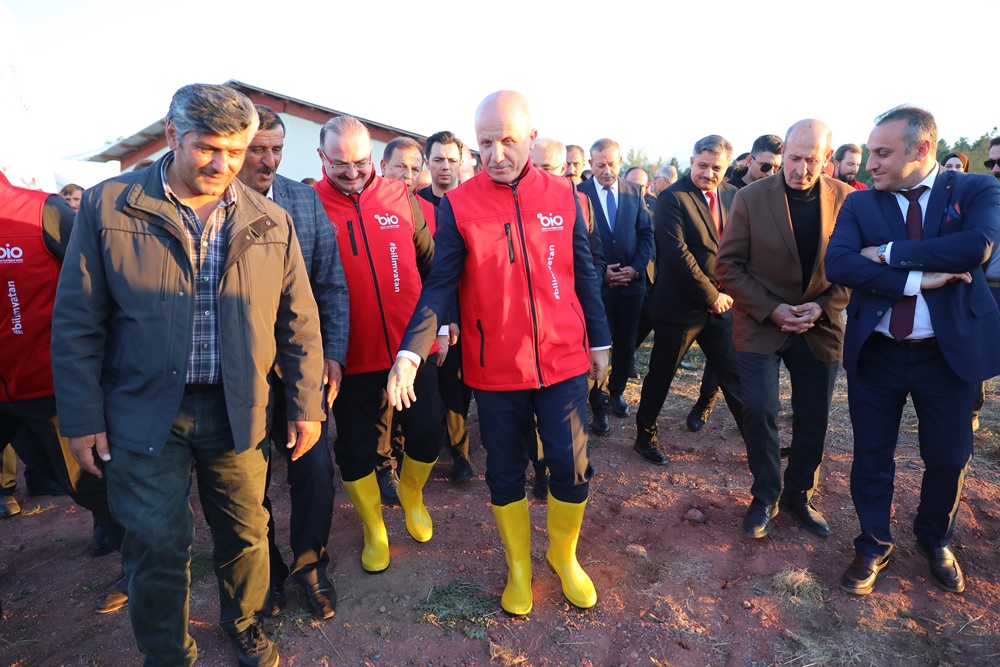
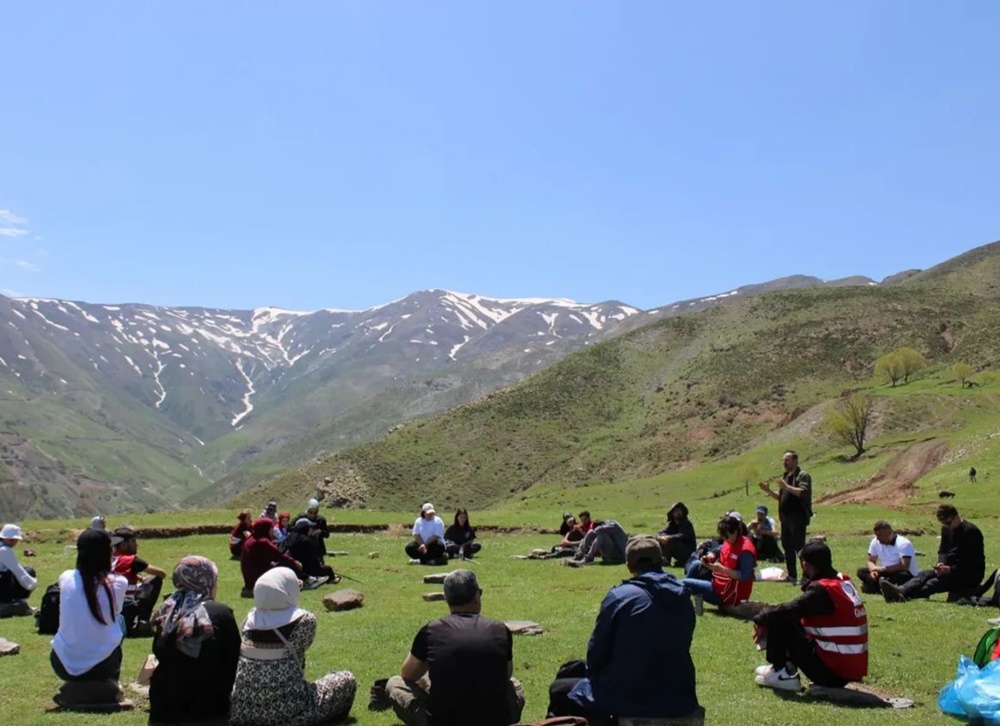
Kırlıkovalı also addressed science communication initiatives carried out by the Council of Higher Education: “Connecting young people with science cannot be achieved through books alone. It is not enough to simply explain—it must be enriched with real-life experiences.”
Expressing his appreciation for the Council’s efforts in science communication, he stated: “The Council of Higher Education’s science communication model has strong potential to spread rapidly across Türkiye.”
- “Young People Should Focus on Learning”
In his message to young people, Kırlıkovalı emphasized that university education should be seen not merely as a means to pass courses but as an opportunity to truly learn. He described university as a process of learning how to learn and noted that real learning continues even after graduation.
Images
Images