


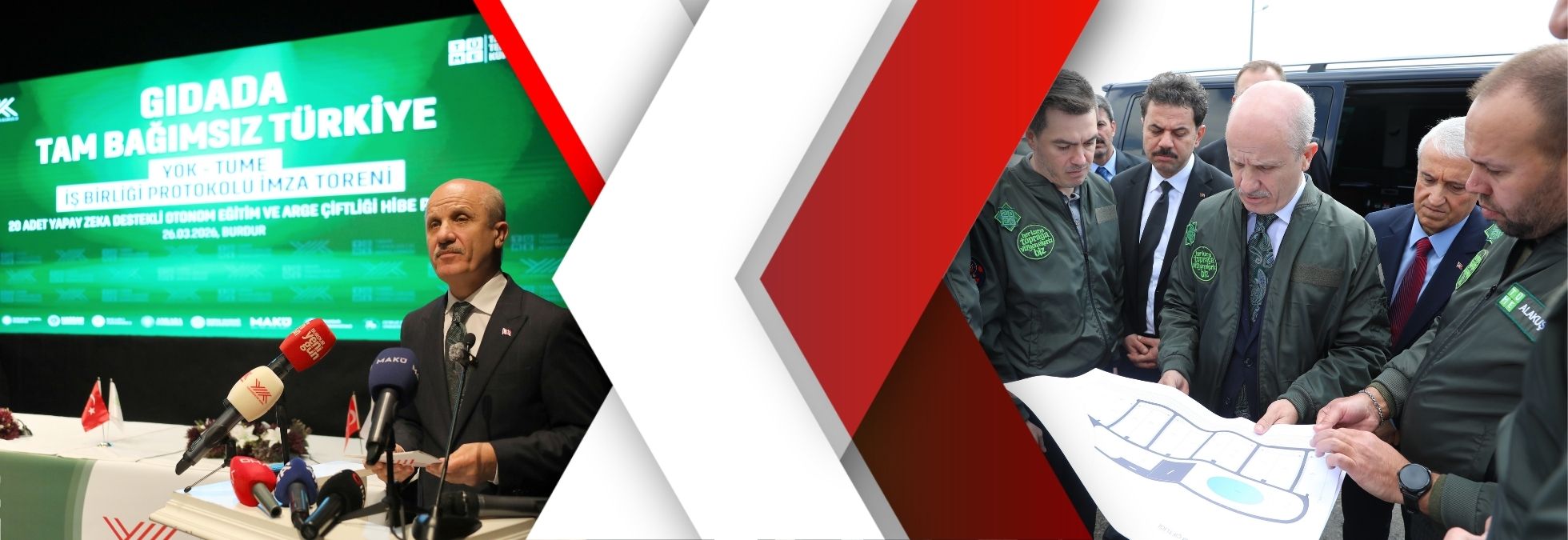
CoHE President Özvar Visits Burdur
- A cooperation protocol was signed between the Council of Higher Education and the Agricultural Technologies Cluster Association
- Özvar: “This protocol will implement a comprehensive and multi-dimensional cooperation model that brings together the higher education system and the agriculture and livestock sectors around common goals”
- “Training and research farms to be established within universities will enable students to receive practical education and contribute to training young farmer candidates”
- “We foresee employment and entrepreneurship opportunities for 40,000 young people under the protocol”
March 26, 2026
President of the Council of Higher Education, Erol Özvar, visited Burdur to attend the signing ceremony of the cooperation protocol between the Council of Higher Education and the Agricultural Technologies Clustering Association (TÜME), as well as to hold a series of meetings.
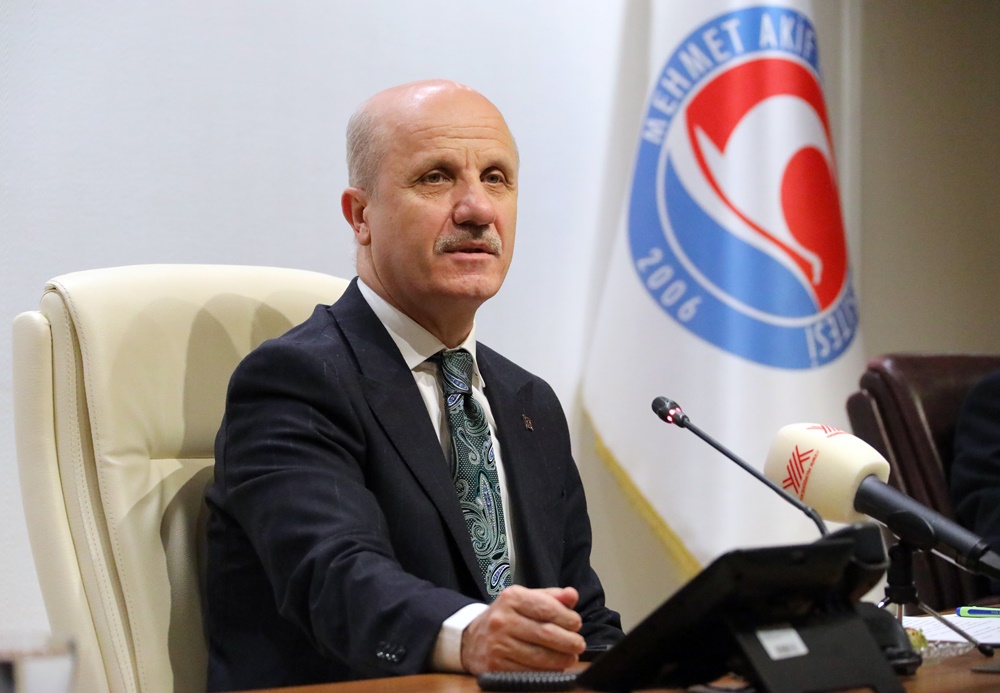
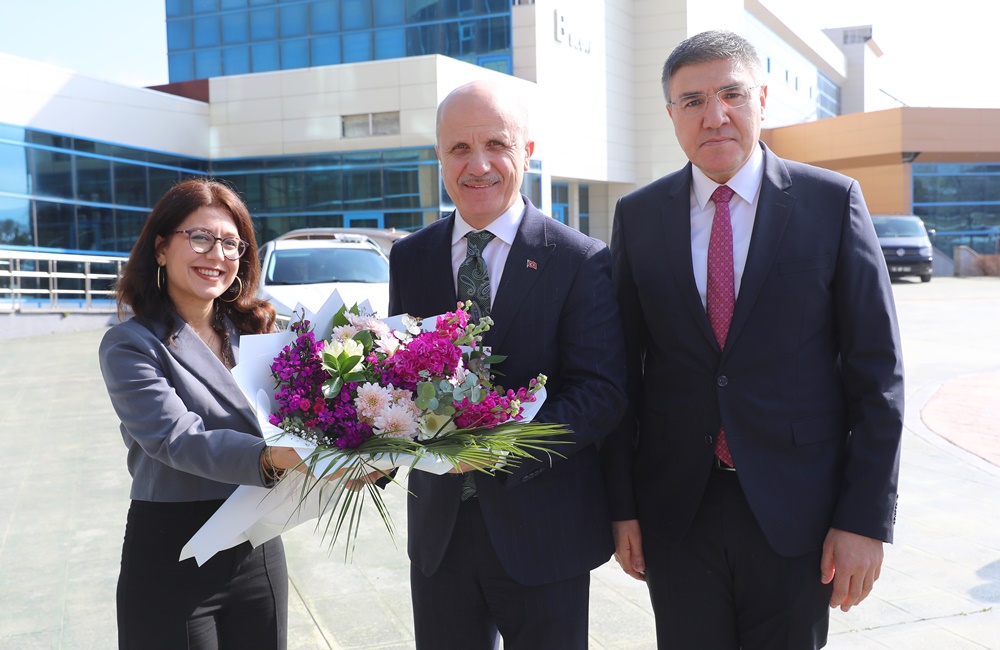
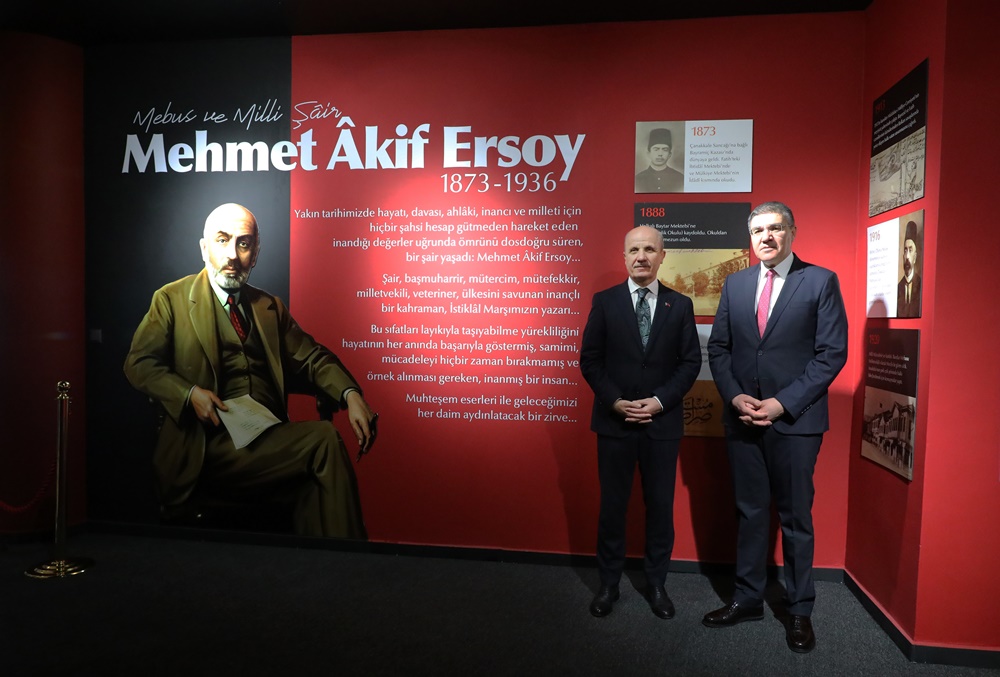
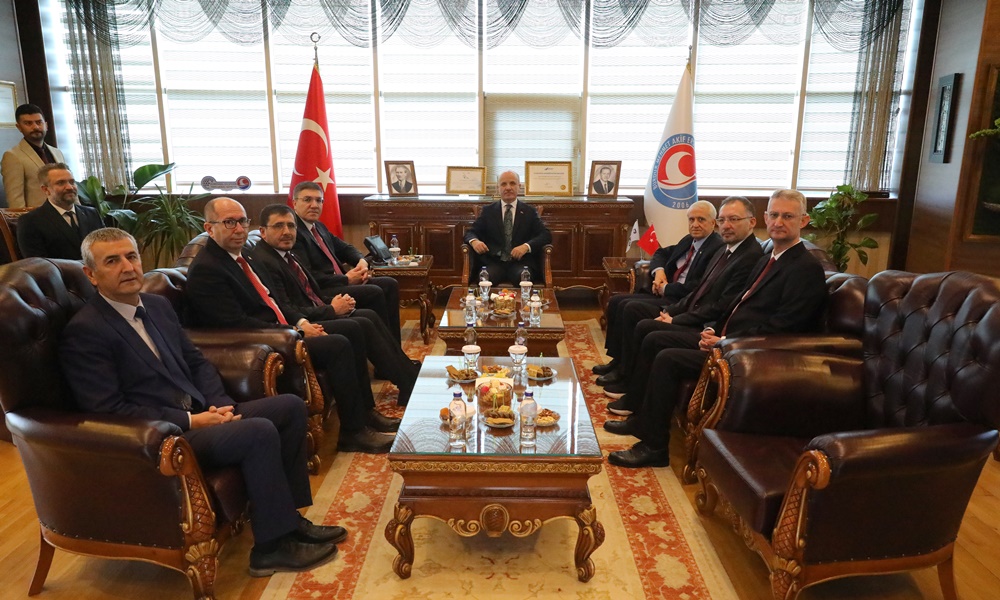
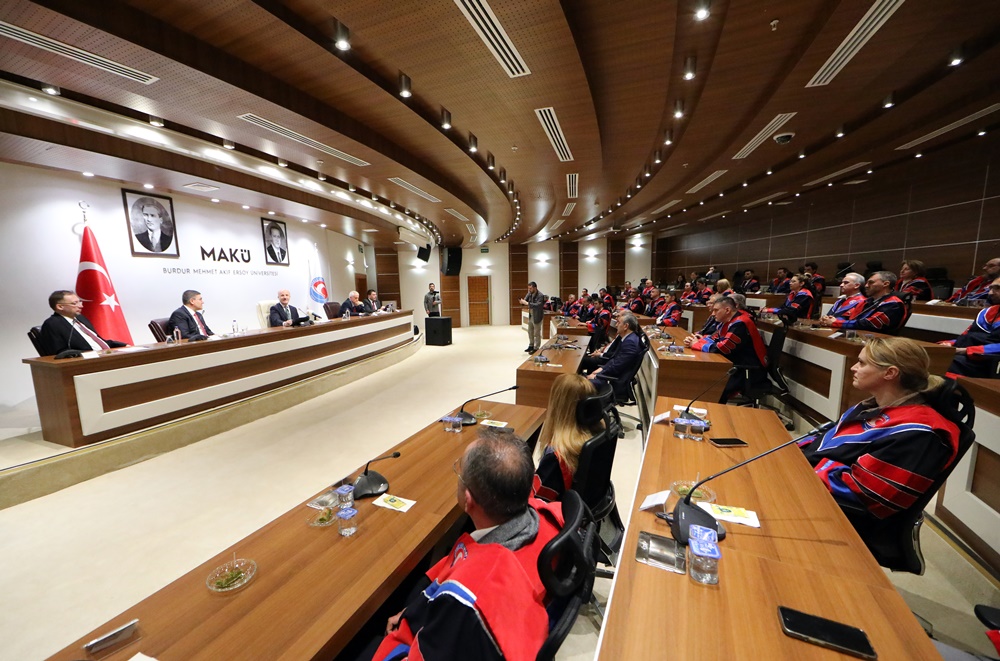
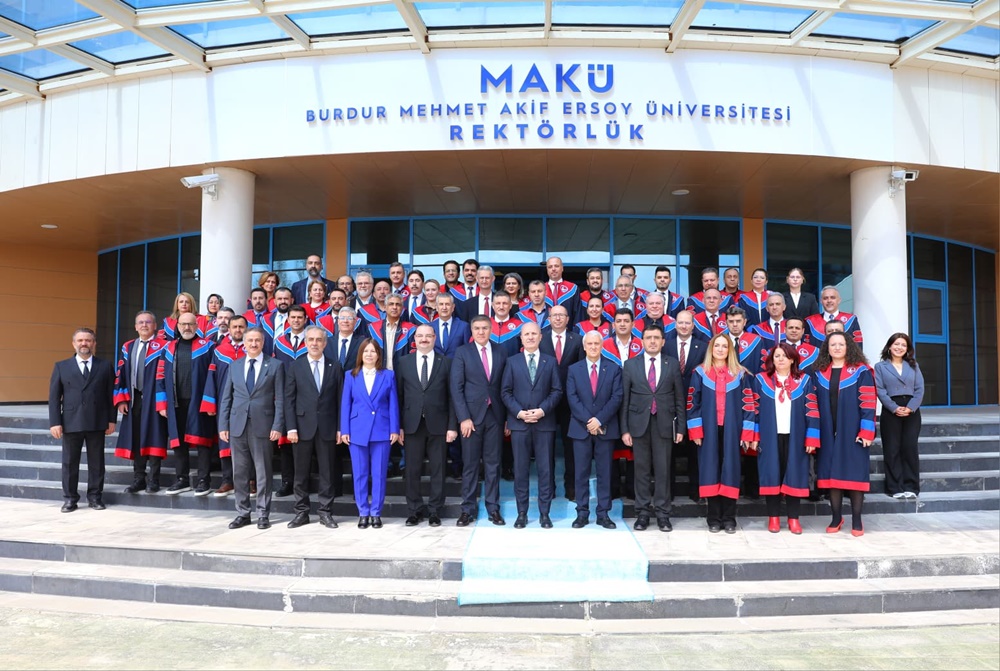
As part of his visit, Özvar first visited Mehmet Akif Ersoy University (MAKÜ) and received information from Rector Prof. Hüseyin Dalgar about the university’s ongoing work and academic activities. He then chaired the senate meeting.
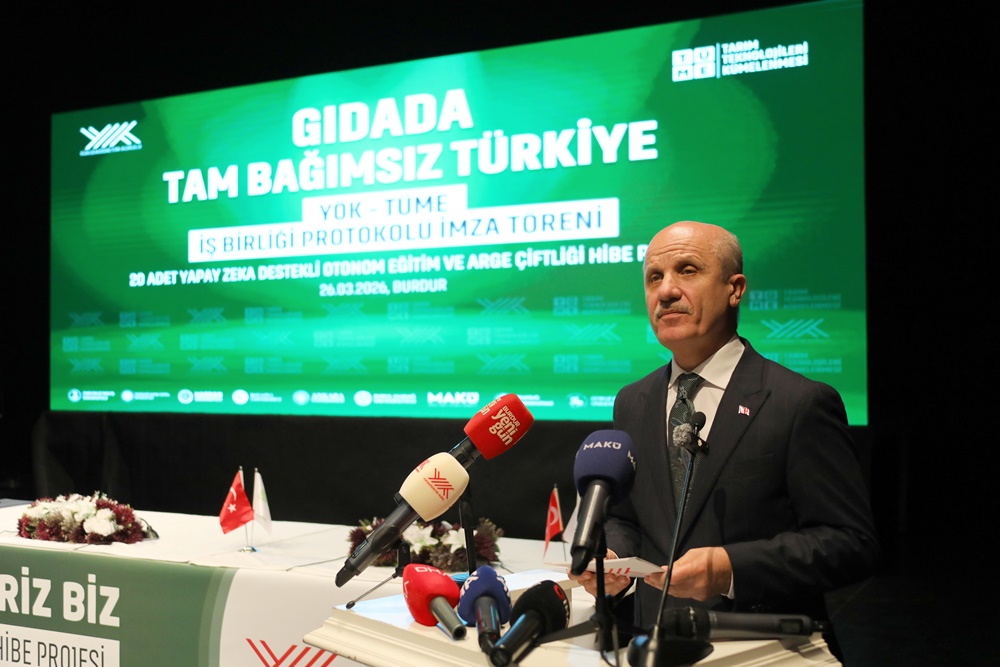
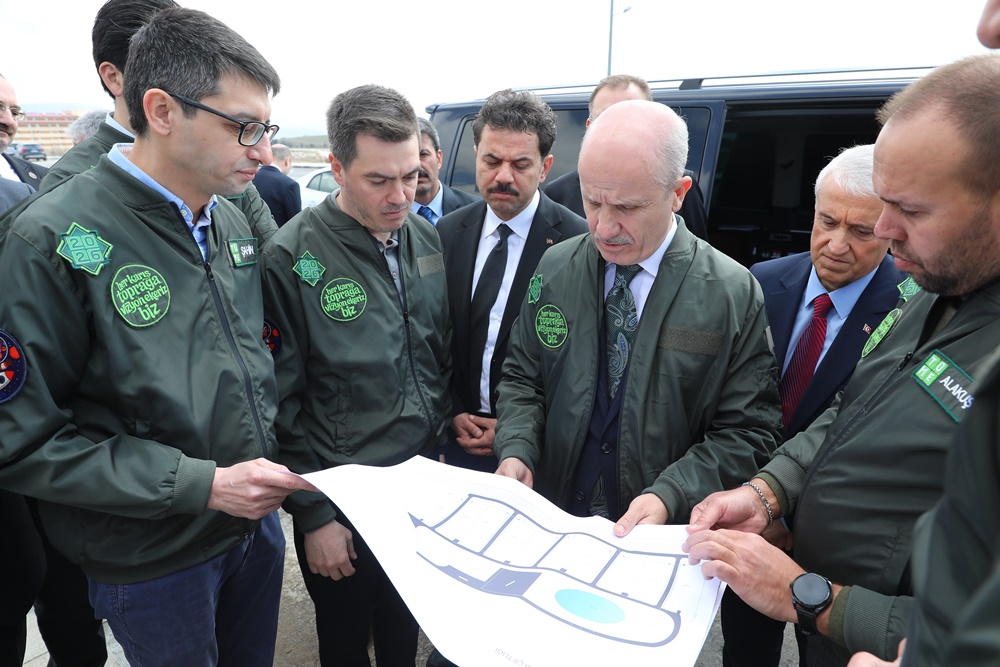
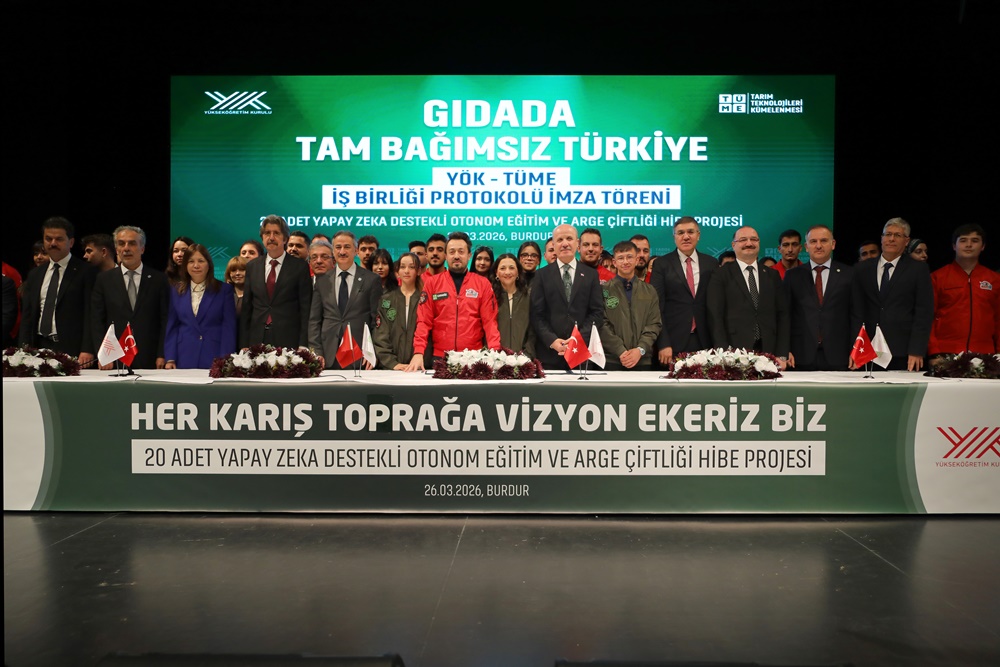
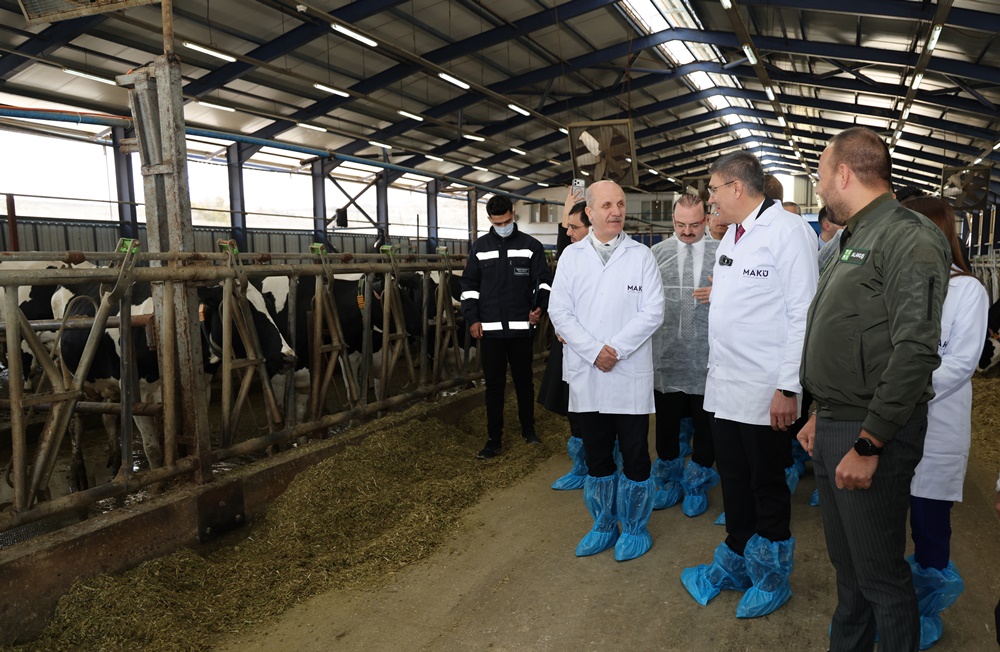
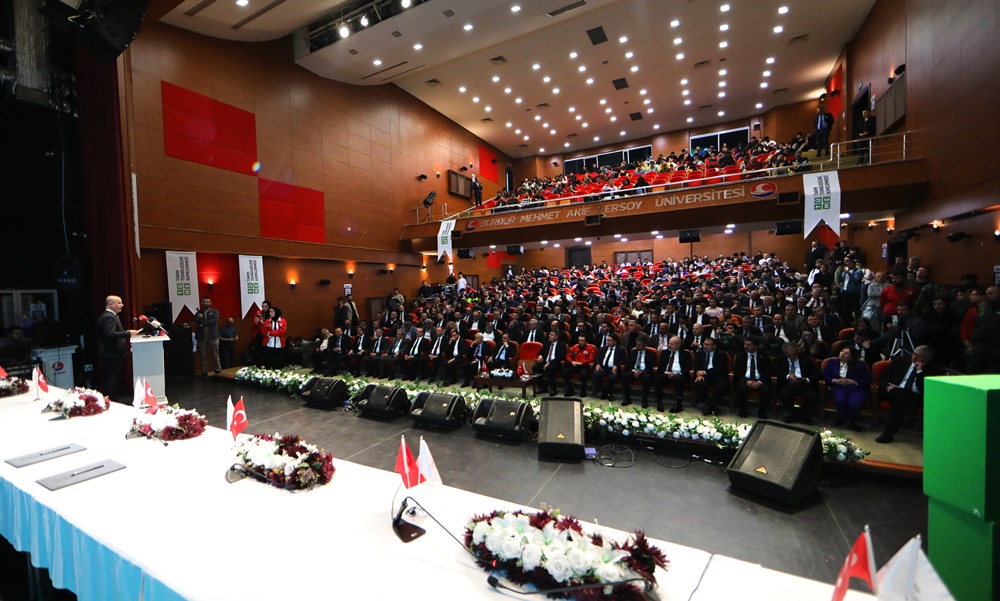
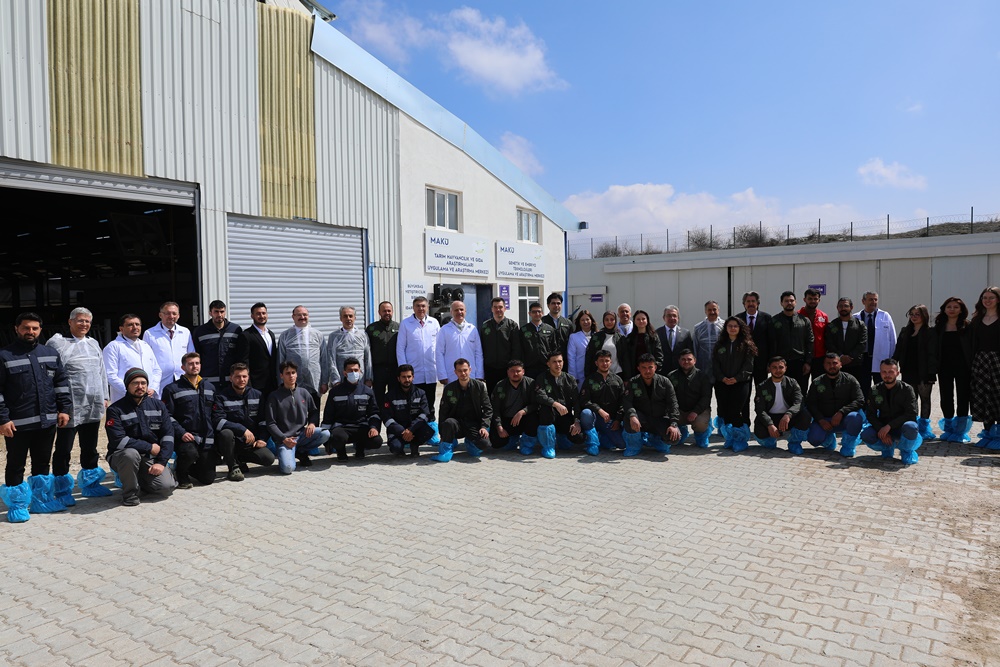
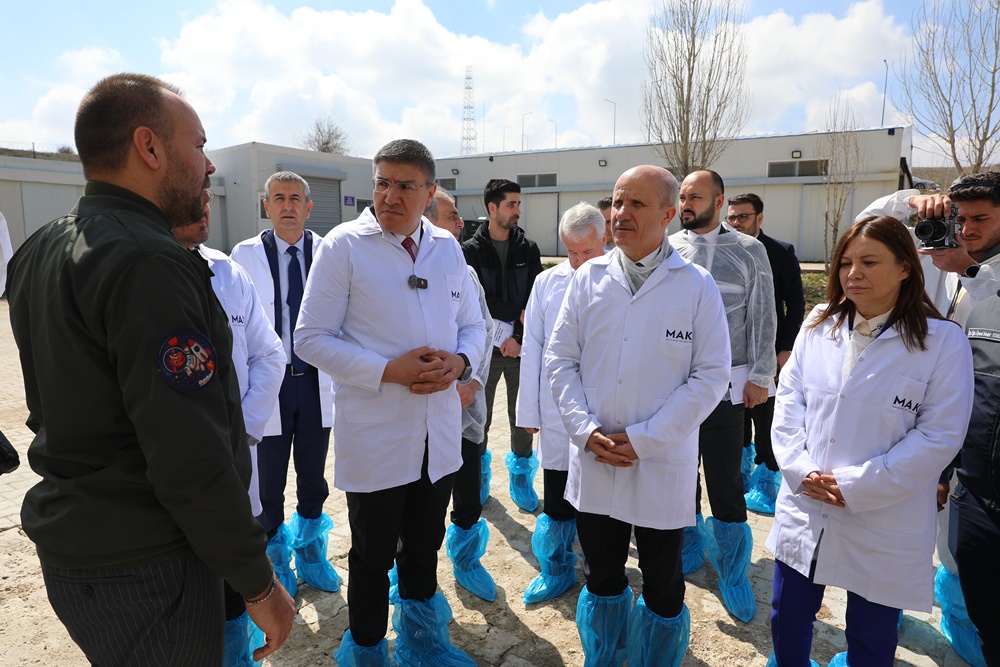
After touring the university farms, Özvar attended the signing ceremony of the cooperation protocol titled “Grant Project for 20 AI-Supported Autonomous Training and R&D Farms.”
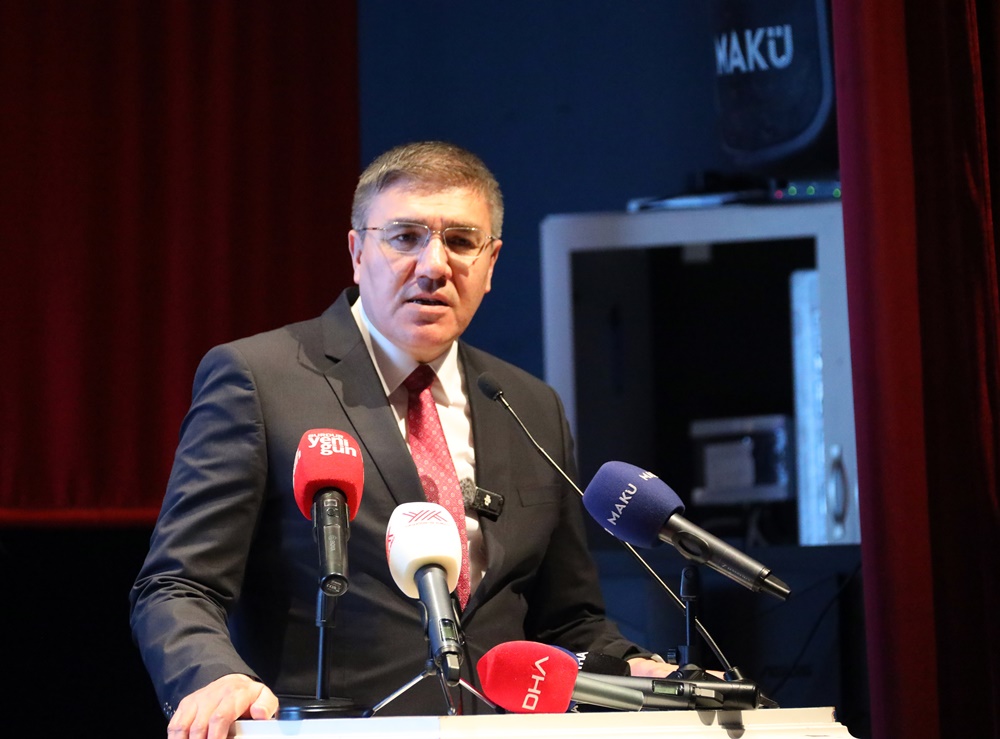
Speaking at the ceremony held under the theme “A Fully Self-Sufficient Türkiye in Food,” Özvar stated that they had signed a highly significant cooperation protocol that builds a bridge between higher education and industry and aligns directly with the country’s strategic priorities.
He emphasized that the cooperation between the Council of Higher Education and TÜME represents a strategic step affecting Türkiye’s policies in agriculture, livestock, technology, and human resources. He also pointed out that the world today faces interconnected, multi-dimensional challenges such as food security, sustainable production, climate change, and technological transformation.
“In this process, agriculture and livestock are no longer merely economic activities but have become matters of national security, social welfare, and sustainable development. Therefore, they hold a more critical position than ever among our country’s priority areas,” he said.
- “A cooperation model that brings higher education and the agriculture sector together”
Özvar noted that the protocol is one of the most concrete and innovative examples of a university–industry collaboration approach in agriculture and livestock:
“This protocol will implement a comprehensive and multi-dimensional cooperation model that brings together the higher education system and the agriculture and livestock sectors around common goals. With this protocol, the academic knowledge, research infrastructure, and human resource potential of our universities will be combined with the needs and field experience of the sector.”
He added: “Training and research farms to be established within universities will enable our students to receive practical education, contribute to the training of young farmer candidates, and become important centers for R&D activities in agricultural technologies.”
Highlighting the technology-oriented transformation: “One of the most important aspects of this protocol is that it places technology-driven transformation in agriculture and livestock at its core. This model, integrating artificial intelligence and smart production systems, aims to increase efficiency and added value by combining traditional production approaches with advanced technology.”
- “We want it to be a new expansion of the TEKNOFEST spirit”
Özvar stated that the cooperation aims to create an ecosystem contributing directly to national development goals.
He noted that strong collaboration among universities, public institutions, and the private sector would enable faster and more effective solutions and facilitate the implementation of innovative projects. “We aim to create an active youth movement in agricultural technologies through student clubs at universities. These clubs will provide a platform where students can not only gain theoretical knowledge but also develop projects, participate in competitions, and engage directly with the sector.”
- “A holistic approach that responds to needs”
Özvar emphasized that a strong university-industry collaboration is essential to achieve the desired progress in agriculture and livestock.
Stating that the model introduced by TÜME offers a holistic approach that addresses current needs, Özvar said: “Within this framework, AI-based autonomous training and research farms to be established within our universities will not only serve as production areas but will also function as centers for education, R&D, and technology development.”
Özvar also noted that, thanks to these farms, students will receive hands-on training directly in the field, young farmer candidates will be trained, and the knowledge accumulated within universities will be translated into practical applications. He added: “I would also like to state that we are planning to launch an associate degree program in Livestock Technologies and Management at our universities. This program will be an important step toward training the qualified workforce needed by the sector.”
“We will also include other universities with veterinary and agricultural faculties”
Özvar stated that the protocol is expected to provide employment and entrepreneurship opportunities for 40,000 young people, describing this as a highly significant initiative. He emphasized that it is “critically important” for agricultural and veterinary faculties, as well as vocational schools that train this workforce, to adapt to the requirements of the modern era.
He added that educational programs should be continuously updated to cover areas such as digitalization, artificial intelligence, precision agriculture, biotechnology, and sustainability, and continued:
“Increasing practical training and ensuring that our students gain direct experience in the field, on farms, and in enterprises is of great importance. We value our students learning not only in classrooms but in every environment where production takes place. This approach will enable our graduates to adapt more quickly to the sector and increase their employment opportunities.
TÜME has already initiated cooperation with Burdur Mehmet Akif Ersoy University, as well as Ankara University, Bursa Uludağ University, and Erzurum Atatürk University, and other universities will join the process shortly.
Together with these universities, we are also joined today by the esteemed rectors of Boğaziçi University, Ege University, Selçuk University, Ondokuz Mayıs University, Harran University, and Tekirdağ Namık Kemal University, which will be included in the process. We aim to start this initiative as a pilot with four plus six universities and, in the future, include other universities that have veterinary and agricultural faculties.”
Özvar concluded by expressing his best wishes for the success of the cooperation and thanked all those who contributed.
- “We will grant them to our universities by September”
Chairman of the Board of TÜME, Abdülkadir Karagöz, stated that achieving strong capabilities in chemistry would enable a response to the global urea shortage currently faced by the world.
Karagöz said: “We need our universities, and today we are signing the protocol for 20 AI-based autonomous farms. We will have completed these by September, in time for TEKNOFEST, and will have granted them to the universities.”
During his visit, Özvar was accompanied by CoHE Vice President Prof. Naci Gündoğan and CoHE Executive Board Member Prof. Erol Arcaklıoğlu.
Images
Images